Washington keeps swinging, but DJI keeps standing back up.
The world's largest consumer drone maker is taking another legal shot at escaping the United States Department of Defense blacklist. If you've been watching hardware markets over the last few years, you know this fight isn't just about a corporate label. It's about who gets to control the skies, commercial workshops, and public safety fleets across the globe. DJI's latest legal maneuvers point to a much bigger tug-of-war between trade protectionism and the harsh reality that American agencies rely heavily on these exact machines.
The Core Problem With the Pentagon Designation
The Department of Defense placed DJI on its Chinese military company list under Section 1260H of the National Defense Authorization Act. This designation doesn't trigger an immediate, outright ban on consumer sales. Instead, it acts as a massive flashing warning sign to US government agencies, contractors, and investors.
Being on that list basically ruins a company's chances of winning public sector contracts. It paints them with a broad brush.
DJI has spent millions trying to dismantle that label. They argue the Pentagon used faulty logic, lazy sourcing, and zero direct evidence tying their commercial quadcopters to the Chinese military. Honestly, it's easy to see why they're mad. When local police departments, search-and-rescue teams, and bridge inspectors rely on affordable aerial tools, cutting off supply chains hurts local American workers way more than it hurts a factory in Shenzhen.
Why American Agencies Keep Buying Anyway
Look at any major US fire department or sheriff's office. What are they flying?
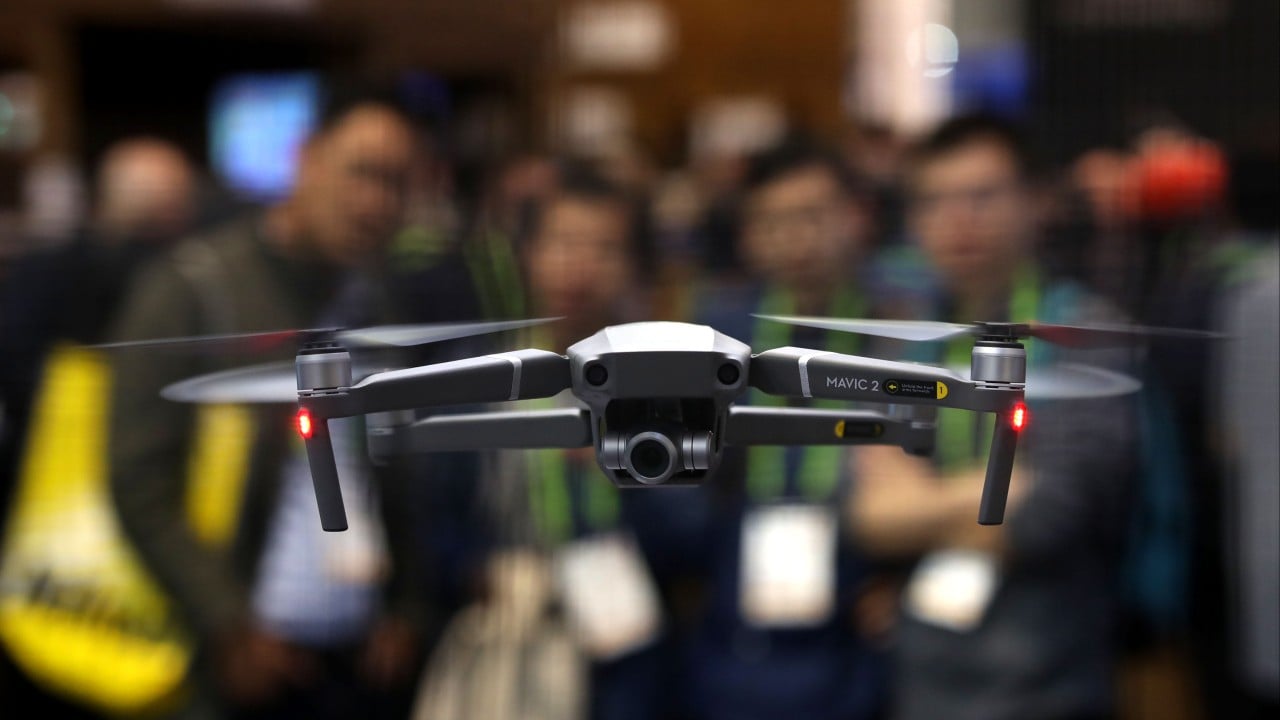
Chances are high they're launching a Mavic or an Enterprise series drone. They aren't doing this because they love foreign hardware. They do it because American alternatives often cost three to five times more while delivering half the flight stability, battery life, and camera resolution.
"For budget-strapped municipal governments, refusing to buy efficient gear just to satisfy a distant bureaucratic mandate makes zero sense."
📖 Related: 4.4 11 create user accounts
The market voted long ago. DJI built an ecosystem that is genuinely tough to replace. Software integration, controller ergonomics, and obstacle sensing systems evolved faster than domestic competitors could spin up prototypes. Even with steep tariffs and endless warnings from Washington, public agencies keep finding workarounds or requesting waivers to keep their fleets airborne.
The Legal Strategy Behind the Push
Fighting the federal government in court is a mug's game, but DJI refuses to roll over. Their legal team is pushing hard on procedural missteps. They argue the Pentagon failed to provide a transparent review process or a fair hearing before slapping them with the designation.
This isn't just about PR. Under US administrative law, agencies have to follow strict rules when they label a private entity. If DJI can prove the Pentagon skipped steps or ignored contrary data, judges can force the agency to reconsider.
Of course, national security exceptions stretch wide. The current administration views anything touching critical supply chains through a lens of extreme caution. DJI has to climb a steep mountain to convince a federal judge to overrule defense officials on matters of foreign threat assessment.
What Happens to the Rest of the Market
Let's look at the bigger picture. If DJI somehow wins this battle and gets removed from the blacklist, it sends a loud message to other targeted tech firms. It proves the administrative fence isn't entirely unbreakable.
On the flip side, if the Pentagon wins and the designation sticks, domestic drone startups gain breathing room. Companies like Skydio and Red Cat stand to pick up the pieces if federal funding completely locks out Chinese tech. But let's be real. Domestic drone manufacturers still struggle with production scale and component costs.
You cannot simply legislate an entire manufacturing ecosystem into existence overnight. Building a reliable sensor, an encrypted transmission link, and a stable airframe takes years of iterative failure and massive consumer testing. DJI had a decade head start.
Practical Takeaways for Drone Operators
If you manage a commercial fleet right now, what should you actually do? Stop panicking every time a new headline drops.
- Keep an eye on local procurement rules, but don't scrap your existing gear based on rumors.
- Maintain your current hardware safely while keeping tabs on firmware updates and data security settings.
- Look into hybrid fleets if your budget allows, mixing domestic options for sensitive government work with standard commercial tools for routine mapping.
The regulatory crossfire isn't going away anytime soon. Trade tensions remain high, and tech decoupling is the default mode in Washington.
Stay flexible, watch the courts, and buy based on performance rather than politics.