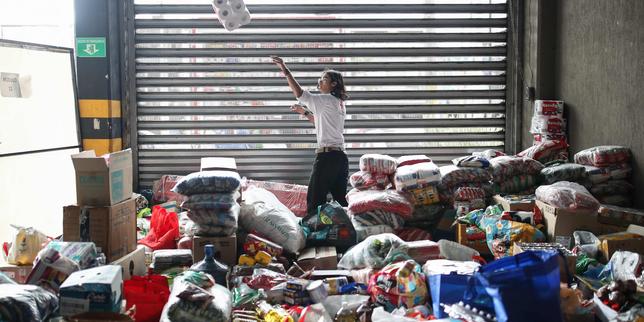
Ground zero doesn't look real until you stand near the dust. A massive 7.4-magnitude tremor shattered western Colombia, leaving at least 216 people dead and entire neighborhoods flattened.
This isn't just another routine disaster update. It's the most destructive seismic event to hit the country this century. If you've been tracking the chaos unfolding across Cali, Pereira, and the mountainous Chocó department, you know the situation on the ground remains volatile. Let's break down what's actually happening, where the international relief stands, and why local infrastructure failed so catastrophically.
The Reality of the Shaking
The quake struck with terrifying force, ripping through urban centers and isolated mountain towns alike. Epicentered in the Chocó region along the Pacific coast, the tremor didn't just rattle windows. It erased city blocks.
More than 1,600 people sustained injuries, overwhelming local clinics that quickly ran out of basic trauma supplies. In Pereira, power lines snapped instantly, plunging hundreds of thousands into total darkness. Families spent the night huddled in public parks, terrified that aftershocks would bring down what little was left standing.
Rescue crews worked through relentless hours of darkness. Miracles still happen between the concrete slabs, like when a 32-year-old woman named Daniela Largo was pulled alive from a collapsed building in Pereira after a local neighbor heard faint cries for help. But these moments of triumph are rare against a backdrop of widespread grief.
Where the Money Goes
International response mechanisms have kicked into gear, though critics argue cash arrives too slowly when people are sleeping in the dirt.
European Commission President Ursula von der Leyen announced that the European Union is releasing 2 million euros in emergency funds to support the hardest-hit zones. This follows Brussels activating its Copernicus satellite mapping service to guide search teams through blocked mountain passes.
Meanwhile, the United States stepped up with a separate $15.5 million assistance package. Government officials on the ground are scrambling to distribute housing grants so families can escape the temporary tent cities popping up in public squares.
Why Vulnerability Remains So High
You can't talk about a disaster of this scale without addressing structural preparedness. Colombia sits on the volatile Pacific Ring of Fire, meaning high-magnitude earthquakes are an inevitable reality rather than an unexpected shock.
Yet, enforcement of seismic building codes remains uneven. Older structures in regional hubs like Cali and Pereira simply cannot withstand a 7.4-magnitude shockwave. When entire blocks crumble while newer concrete frames hold firm, it exposes a deep economic divide in urban planning. Poorer neighborhoods absorb the heaviest toll because retrofitting homes against earthquakes is an expensive luxury most families cannot afford.
Next Steps for Recovery
The immediate search and rescue phase is slowly transitioning into a grueling humanitarian recovery mission. Access roads remain blocked by landslides in remote areas of Chocó, delaying heavy machinery.
If you are looking to support relief efforts, stick to established international humanitarian agencies operating directly inside Colombia rather than unverified online campaigns. Focus resources on medical logistics and temporary sanitation kits, because clean water access is rapidly becoming the next major crisis in the disaster zone.