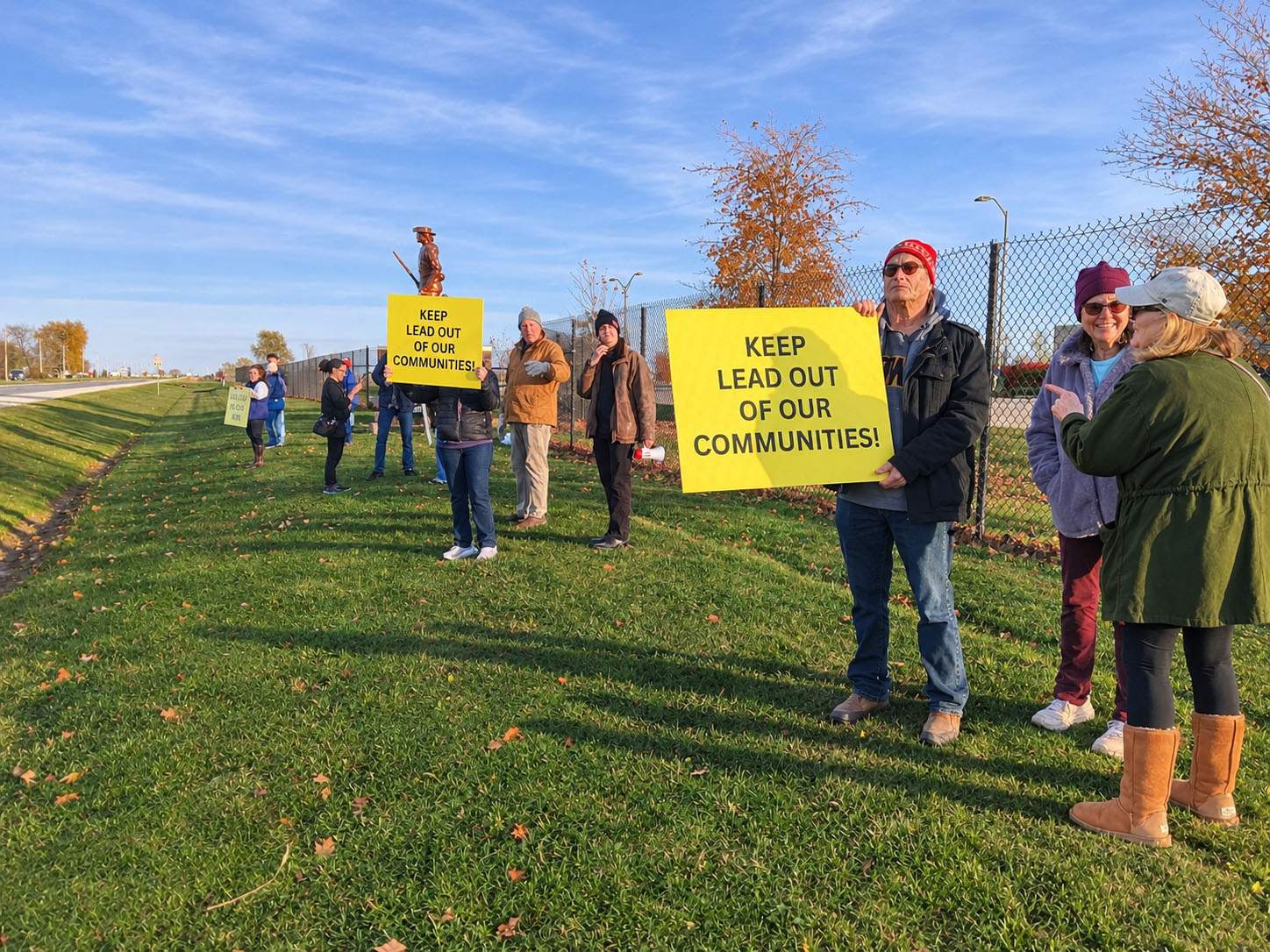
Five tonnes of unstable explosives are lined up for a controlled blast in Middletown, Iowa, and folks around here have every right to feel uneasy. When the U.S. Army moves to blow up roughly 9,700 pounds of degraded lead azide at the Iowa Army Ammunition Plant, people don't just worry about broken windows. They worry about what happens to the soil, the creeks, and the air once the smoke settles.
Honestly, it's a nasty bind. Leave the material sitting in 68 aging drums and risk an accidental spark or shock. Blow it up in place and risk scattering toxic lead dust across farmland and nearby towns. There's no clean button to push here, just a choice between two bad options that both carry heavy baggage.
What Lead Azide Actually Does When It Goes Bad
Most folks hear "explosives" and picture TNT or dynamite. Lead azide is a different beast entirely. Used for decades as a primary explosive in munitions blasting caps and initiators, it's designed to detonate from small shocks, friction, or static electricity. That sensitivity is useful inside a controlled manufacturing line. It's terrifying when the material degrades.
According to CBS News and reporting on the U.S. Environmental Protection Agency's findings, these drums sat stored for more than twenty years in earthen-covered bunkers inside an ethanol-and-water bath meant to keep things stable. Over time, water evaporated. Once evaporation shifts the balance, lead azide can recrystallize into larger, more shock-sensitive crystals. Moving drums that have turned finicky is a nightmare nobody in ordnance wants on their resume.
Here's the catch that makes locals sweat. Lead doesn't burn up into harmless vapor when an explosive goes off. When you detonate lead-containing compounds, fine particulate matter can travel on the wind and settle onto roofs, pastureland, grain fields, and playgrounds. Even small amounts of lead exposure matter for kids and pregnant women, which is why environmental groups and neighboring lawmakers raised alarms so loudly.
Why This Blast Turned Into a Legal and Political Tug-of-War
If you've tried to keep track of the schedule over the last week, you're not alone. One day it was on. The next day it was frozen. Then a court weighed in, politicians traded jabs, and dates shifted again.
Environmental groups, including the Iowa Environmental Council and the Iowa chapter of the Sierra Club, moved to block the detonation, arguing over environmental risks and permit rules. Meanwhile, federal officials pointed to emergency authority and said leaving volatile material in place posed an immediate threat. As TIME and Al Jazeera have reported, courts, federal agencies, and state leaders have clashed over timing, transparency, and how far fallout could reach—even drawing attention across the river in Illinois.
In my experience watching hazardous-waste disputes play out around industrial sites, public anger usually spikes for two reasons. First, technical jargon sounds dismissive when a family asks if their garden is safe. Second, last-minute schedule swings make people wonder who's actually steering the ship. When officials tell a town of a few hundred people to pack up or stay put on short notice, trust takes a beating.
Controlled Blasts vs. Moving Volatile Stockpiles
People often ask why the Army doesn't just pack the drums onto trucks and ship them somewhere remote. That sounds logical on paper. In practice, moving degraded primary explosives can be far more dangerous than destroying them where they sit.
- Transport risk: Bumping, vibration, or temperature shifts during loading and hauling can trigger unstable crystals before the truck ever leaves the gate.
- In-place detonation: Blowing the material in a designated blast area eliminates road transport hazards, though it requires tight wind windows, physical barriers, and air or soil monitoring.
- Alternative treatment: Chemical or thermal neutralization works well for many munitions wastes, yet handling degraded lead azide before treatment still exposes workers to mechanical shock.
None of these choices is risk-free. Anyone claiming a controlled blast of five tonnes leaves zero trace behind isn't being straight with you. Good blast engineering reduces throw and airblast overpressure, and proper containment helps, yet dust dispersion remains the hardest variable to control once the wind picks up.
What Locals and Nearby Residents Can Do Right Now
If you live near Middletown or downwind in eastern Iowa or western Illinois, waiting around for rumors on social media won't help you much. Stick to official advisories from the U.S. Army, the EPA, and local emergency management offices for exact evacuation zones, timing, and sheltering rules.
- Follow official movement orders first. If authorities recommend leaving a designated zone or staying indoors with windows shut and HVAC off during a blast window, take that guidance seriously.
- Document outdoor surfaces afterward. If dust settles on decks, play equipment, or vehicles after an operation, wet-wipe hard surfaces rather than dry-sweeping them so you don't kick particles back into the air.
- Check local testing updates. Watch for soil, water, and air sampling data released by state and federal environmental agencies, and talk with a healthcare provider if you have concerns about lead exposure in children or household members.
Industrial cleanups from old munitions plants rarely make neat headlines, and they almost never wrap up without friction. Paying attention to the actual science—and ignoring the loudest noise online—is the smartest way to stay ahead of what happens next.