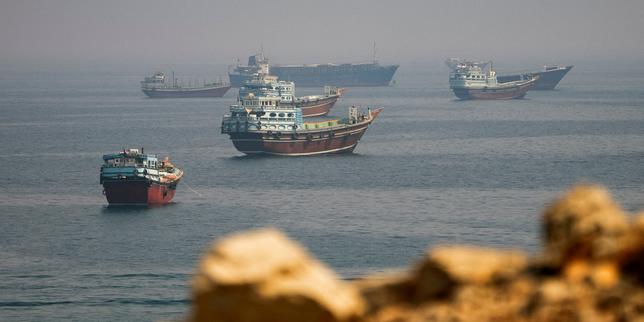
Diplomacy in the Middle East just hit another brick wall. Oman had to postpone a crucial meeting scheduled for Monday in Salalah between Iran, Iraq, and the six member states of the Gulf Cooperation Council. The goal was simple on paper: discuss the choke point of global energy transport, review a new Omani maritime route proposal, and cool down soaring oil prices. In reality, regional divisions and a profound lack of consensus rendered the talks dead on arrival.
Donald Trump's reaction to the postponement was predictably blunt. When reporters asked him about the canceled regional summit, the American president brushed it off with a casual dismissal, claiming he simply doesn't care. That indifference highlights a massive gap between Washington's unilateral posture and the quiet panic spreading across Gulf capitals.
The Stakes Behind the Closed Waters
You cannot talk about global energy markets without confronting the reality of the Strait of Hormuz. Roughly a fifth of the world's petroleum passes through this narrow maritime corridor. When traffic halts or gets restricted, energy markets react instantly. Last week, Brent crude surged past 100 dollars a barrel, driven directly by renewed airstrikes and mounting insecurity in the region.
Tehran maintains that any reopening of the vital passage remains strictly tied to its broader demands concerning the United States. Iranian officials have repeatedly made it clear that local compromises won't automatically unlock the waters. Meanwhile, Washington continues to claim dominance while keeping its distance from regional diplomatic rescue missions.
Why Regional Powers Couldn't Reach a Deal
Getting everyone into the same room proved impossible for several reasons. First, trust is entirely broken. Bahreïn publicly announced ahead of time that it wouldn't send any representatives, while other Gulf monarchies hesitated to commit official delegations. Oman's Foreign Minister, Badr al-Busaidi, tried to buy time by pushing for a delay to build a genuine regional consensus, but the underlying friction remains too intense.
The strategy of bypassing Washington to forge local security arrangements sounds smart in theory, but it collapses under the weight of conflicting national interests. Saudi Arabia worries about targeted energy infrastructure attacks, while smaller states fear being caught in the crossfire of a prolonged maritime blockade.
Expect crude prices to stay volatile as long as the waterway remains a bargaining chip. Watch the freight insurance rates and tanker tracking data rather than diplomatic announcements to understand the true state of the crisis.
Iran - Trump: The Global Standoff at the Summit
This video provides valuable background context on the geopolitical standoff between Iran and Donald Trump surrounding regional tensions and maritime security.
http://googleusercontent.com/youtube_content/1


