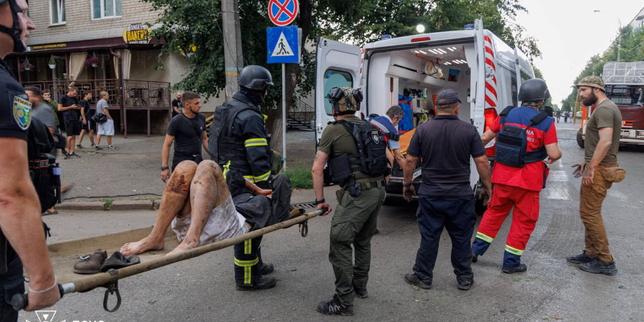
Two dead. Countless others shaken. A regular Friday morning in Sumy shattered by Russian munitions hitting civilian infrastructure yet again.
If you're following the war in Ukraine, you know these headlines feel painfully routine. They shouldn't. Every single strike on northern hubs like Sumy tells a much larger story about shifting frontlines, persistent aerial threats, and the harsh daily reality for civilians living just miles from the border. We need to talk about what's actually happening on the ground there, because the standard live-updates miss the strategic weight of these northern attacks.
The Strategic Weight of Sumy Right Now
Sumy sits in a precarious spot. Right up against the Russian border, it's constantly exposed. When people talk about the war, they usually fixate on the Donbas or the southern steppes. That is a mistake.
The northern oblasts absorb a relentless pounding designed to bleed local resources and terrorize non-combatants. Missiles and glide bombs don't care about tactical maps. They target residential areas to break morale.
Local emergency services confirmed the casualties shortly after the blast. Rescue workers pulled victims from the rubble while sirens wailed overhead. It is a brutal cycle. Air defense systems intercept what they can, but gaps remain. The physics of proximity mean warning times in Sumy are often measured in seconds rather than minutes. You hear the whistle, and then it hits.
Why Civilian Infrastructure Remains the Primary Target
Moscow claims military targets are always the goal. The evidence on the ground screams otherwise.
Residential blocks, bakeries, transport hubs—these take the brunt of the kinetic energy. By hitting northern administrative and residential centers like Sumy, the strategy is transparent. It forces Kyiv to divert air defense assets away from active counter-offensive zones just to protect civilian populations sitting out of reach of the main trench lines.
- Air Defense Strain: Every battery deployed around Sumy is a battery missing from the east or south.
- Economic Attrition: Rebuilding blown-out apartments drains municipal budgets that should go toward basic services.
- Psychological Pressure: The psychological toll on families who refuse to evacuate is immense.
I've spoken with analysts who track these patterns closely, and the consensus is grim. The North is not a quiet sector. It's an open wound that requires constant triage.
Moving Past the Live-Feed Fatigue
It's easy to swipe past these notifications on your phone. Daily casualty counts blur together into a gray wall of bad news. But treating these events as background noise plays right into the hands of an aggressor banking on global fatigue.
When you look at Sumy today, look past the raw numbers. Look at the resilience of communities refusing to pack up and leave. Look at the local volunteers showing up minutes after an impact with shovels and medical kits.
The war in Ukraine isn't won or lost only in dramatic breakthrough offensives. It is sustained in the rubble of northern border towns where ordinary people wake up every morning, check their phones for air raid alerts, and decide to keep going anyway. Keep paying attention to places like Sumy, because what happens on this northern edge dictates the defense capacity of the entire country.