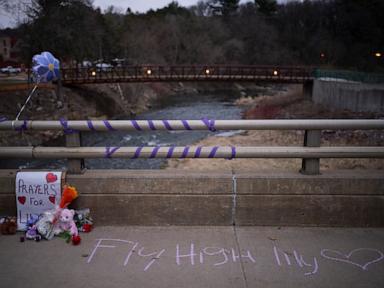
A single bullet changes a family forever. In Pakistan-administered Kashmir, grief has turned into open defiance. You don't hear much about the real scale of the crisis on mainstream feeds, but the streets tell a terrifying story of state crackdowns, internet blackouts, and mourning parents demanding justice for sons gunned down during peaceful demonstrations.
If you are wondering why thousands are risking their lives right now in towns like Mirpur and Rawalakot, the answer goes far beyond a simple political disagreement. It is about economic survival, systemic electoral manipulation, and a population that has simply run out of fear.
The Breaking Point Behind the Pakistan Administered Kashmir Protests
For months, the Joint Awami Action Committee (JAAC) has mobilized tens of thousands of citizens across the region. What started as localized dissent against inflated electricity bills and high food prices snowballed into a massive movement demanding structural changes.
At the heart of the political anger is a contentious system of reserved parliamentary seats. Locals argue these seats—earmarked for refugees from Indian-administered Kashmir living across Pakistan—allow external federal authorities to rig local governance. You are basically looking at a population governed by people they didn't choose, backed by laws they never agreed to.
When citizens took to the streets to protest these electoral injustices, the response from security forces was brutal. Civil society groups report that over 30 protesters have been shot dead by security agencies during crackdowns, with dozens more critically injured.
The Media Blackout and the Fight for Information
Information control is the state's favorite weapon in this conflict. When demonstrations surge, the authorities pull the plug.
- Internet Shutdowns: Entire districts are cut off from digital communication to prevent footage of police brutality from leaking to the outside world.
- Disappearing Evidence: Local activists accuse security forces of seizing bodies from hospitals and streets to manipulate casualty counts and hide the scale of the bloodshed.
- Mass Detentions: Political workers, organizers, and vocal critics face arbitrary arrests under sweeping anti-terrorism classifications.
Government officials often write off these demonstrations as foreign-sponsored propaganda, claiming outside actors fund the unrest. But local organizers reject that narrative entirely. They point out that labeling domestic human rights demands as anti-state conspiracy is an old playbook used to silence legitimate grievances.
What the International Community Misses
Global human rights organizations like Amnesty International and United Nations bodies have repeatedly urged Islamabad to lift communication blackouts and launch independent investigations into the killings. Yet, tangible diplomatic pressure remains scarce.
When parents lose their only children to state bullets during protests for civic rights, political talking points lose all meaning. The reality on the ground in Pakistan-administered Kashmir is a stark reminder that authoritarian clampdowns rarely extinguish public anger—they only deepen the resolve of those left behind.
If you want to track how this crisis evolves, stop looking at official government press releases. Watch the local grassroots networks and independent civil society updates risking everything to broadcast the truth.
Kashmir unrest: 'They shot me and I fell to the ground' - BBC News
This video provides firsthand accounts of individuals caught in the crossfire of the regional clashes and systemic violence.