The private jet touched down quietly at a military airport on the outskirts of Dublin. On board was Daniel Kinahan. For roughly a decade, the 49-year-old operated out of high-end luxury in Dubai, seemingly out of reach. That bubble burst when United Arab Emirates courts cleared his extradition, ending a high-stakes international game of cat-and-mouse.
If you've followed European drug enforcement over the past ten years, you know the name. US and European authorities long pointed to Kinahan as a primary mastermind behind a massive transnational empire. They claim his network handled roughly a third of Europe's cocaine supply, moving drugs from South America through Ireland, the UK, and Spain.
Now, he's facing a concrete charge in Dublin: directing an organised crime group.
Inside the Dublin Courtroom and Maximum Security
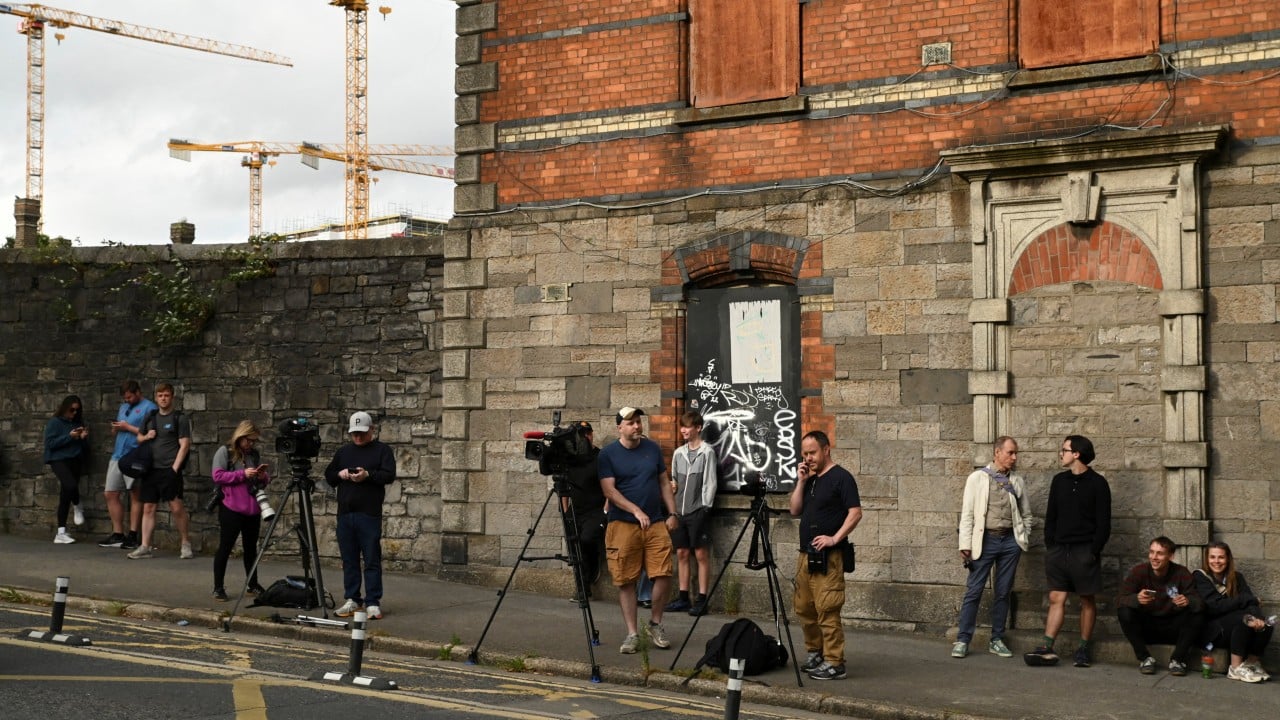
Kinahan was transported straight to Dublin’s Special Criminal Court. This isn't your average courtroom. Ireland uses this specific judicial body for major organized crime and terrorism trials. Cases go before a panel of three judges. There is no jury. The state takes zero chances here.
Following his court appearance, authorities transferred him under heavy guard to Portlaoise Prison. This high-security facility sits about 145km southwest of Dublin. The security footprint surrounding his arrival wasn't accidental. It reflects years of brutal bloodshed.
Since 2016, a ferocious gang feud between the Kinahan network and a rival Dublin faction has claimed numerous lives, including innocent bystanders. When the US Treasury slapped sanctions on the family in 2022, they attached a $5 million reward for information leading to the disruption of the cartel. They outlined a web of illicit drug trafficking, firearms distribution, and money laundering.
Law enforcement agencies don't just wake up and dismantle cartels overnight. It takes years of cross-border pressure.
The Downfall of a Global Network
Kinahan's extradition didn't happen in a vacuum. It follows a systematic dismantling of his inner circle.
Look at what happened to Thomas "Bomber" Kavanagh. As the head of the organization's UK operations, Kavanagh thought he was untouchable behind the bulletproof glass and reinforced doors of his mansion in Tamworth. British police raided the property, finding cash in multiple currencies and massive drug shipments hidden inside industrial asphalt removal equipment at the port of Dover. Kavanagh received a 21-year prison sentence.
Another key lieutenant, Sean McGovern, was extradited from Dubai and hit with a 24-year sentence after pleading guilty to directing organised crime and attempted murder.
When Dubai authorities detained Kinahan on an Irish arrest warrant back in April, the writing was on the wall. Prior to his transfer, Kinahan granted phone interviews denying the allegations, casting himself as a scapegoat targeted by a conspiracy. He claimed he hoped his day in an Irish court would clear his name.
That day has arrived. His next court appearance is set for October 5.
The legal battle will test whether international diplomatic cooperation between Ireland and the UAE can successfully prosecute modern kingpins who thought sovereign borders offered permanent immunity.
Watch what happens next. The verdict will set a heavy precedent for how global syndicates operate in the digital age.
Daniel Kinahan: Alleged crime boss in Dublin court after extradition
This video provides live news coverage and visual context regarding Daniel Kinahan's arrival and court appearance in Dublin following his extradition.
http://googleusercontent.com/youtube_content/1