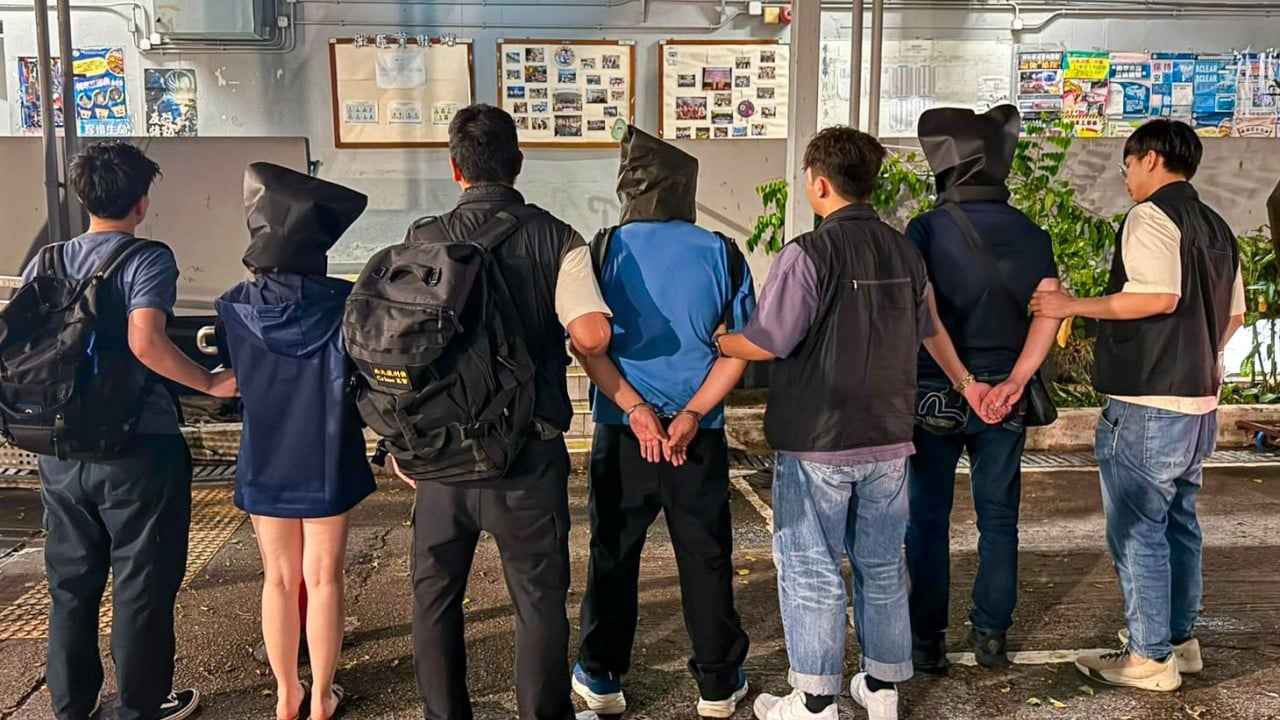
Cross-border financial crime operates on logistics just as much as it relies on digital deception. When law enforcement agencies break up a syndicate, headlines usually highlight the total cash seized or the sheer number of suspects paraded behind closed doors. But looking past the standard police blotter reveals a more mechanical reality. Modern syndicates don't just hack bank accounts; they build intricate human pipelines to move physical cash across international borders before digital footprints can freeze it.
Recent law enforcement actions in Hong Kong pulled back the curtain on this exact operational model. Authorities swooped in to arrest 17 people tied to a local syndicate that had laundered millions. The operation relied heavily on a tactic that investigators are seeing with increasing frequency: recruiting overseas individuals, specifically Malaysian nationals, to act as physical cash couriers or runners.
If you think cyber fraud lives entirely behind a screen, you're missing half the picture. The final mile of financial theft often requires very physical, very low-tech solutions.
The Anatomy of a Cross Border Runner Network
Fraud rings face a massive bottleneck once they trick victims out of their life savings. Moving digital funds through international wire transfers triggers automatic anti-money laundering flags. Compliance software catches unusual velocity, weird geographic jumps, and sudden spikes in account activity.
Syndicates bypass this friction by reverting to physical cash.
They use local bank accounts, often opened by low-level local recruits or puppet account holders, to receive illicit funds extracted from scam victims. Once the money hits these accounts, staying digital is dangerous. The syndicate needs to clean it quickly.
Enter the runner.
Malaysia-based individuals are flown into financial hubs like Hong Kong under the guise of tourism or casual travel. Their actual job description is simple yet high-stakes. They visit local bank branches, withdraw massive sums of hard currency, and hand it over to higher-ranking syndicate handlers or use it to purchase high-value assets.
By utilizing foreign nationals as runners, crime bosses create a layer of insulation. If a runner gets caught at a bank counter or stopped at an airport checkpoint, they are often interchangeable cogs who know very little about the masterminds pulling the strings back home or in neighboring jurisdictions.
The Numbers Behind the Operation
The scale of these operations makes them attractive targets for organized crime. In the recent Hong Kong crackdown, authorities seized HK$3.67 million in direct cash assets alongside electronic devices and luxury items tied to the illicit proceeds.
Seventeen individuals found themselves behind bars, split between the core local organizers who managed the puppet bank accounts and the foreign runners tasked with physical extraction.
Consider the operational costs for the syndicate. Flying a few people in, putting them up in budget accommodation, and paying them a fraction of a percent in commission is cheap overhead compared to losing millions to a frozen bank account.
Runners operate on tight instructions. They receive specific branch locations, exact withdrawal limits designed to slip beneath reporting thresholds where possible, and burner phones for communication.
Why Foreign Nationals Agree to Become Runners
Economic pressure drives recruitment. Syndicates frequently target individuals facing financial distress overseas, offering quick cash for what sounds like a simple errand. Advertisements on unregulated social media channels promise easy money for short trips abroad.
Many recruits arrive believing they are merely moving legitimate business funds or grey-market crypto assets. They learn the hard truth only when local police surround them at a teller window or hotel room door. By then, ignorance of the law offers zero defense against serious money laundering charges, which carry severe prison sentences in jurisdictions like Hong Kong.
The recruitment pipeline relies on exploitation. Organizers keep passports, control travel itineraries, and maintain total anonymity from the bottom up.
Protecting Vulnerable Accounts and Stopping the Pipeline
Financial institutions face mounting pressure to spot these runners before cash leaves the vault. Tellers are the frontline defense. When a young tourist with no local employment history attempts multiple large cash withdrawals across different branches in a single day, alarm bells should ring.
Yet, syndicates adapt. They coach runners on what to wear, how to answer routine compliance questions, and how to spread transactions across various banking corporations to avoid single-institution scrutiny.
Law enforcement agencies across Southeast Asia are stepping up intelligence sharing to map these runner networks at their source. Stopping the flow requires tracking recruitment ads in countries like Malaysia just as aggressively as monitoring suspicious bank accounts in financial centers like Hong Kong.
Financial literacy campaigns need to hammer home a blunt reality. If an online acquaintance asks you to travel abroad to withdraw money from a foreign bank account, you are walking directly into an international money laundering trap.
Protecting your own assets and staying safe from secondary association means understanding that financial crime is a global supply chain. The people clicking buttons on keyboards overseas rely entirely on the person carrying the bag of cash down the street. Break the chain at the runner level, and the whole machinery starts to stutter.