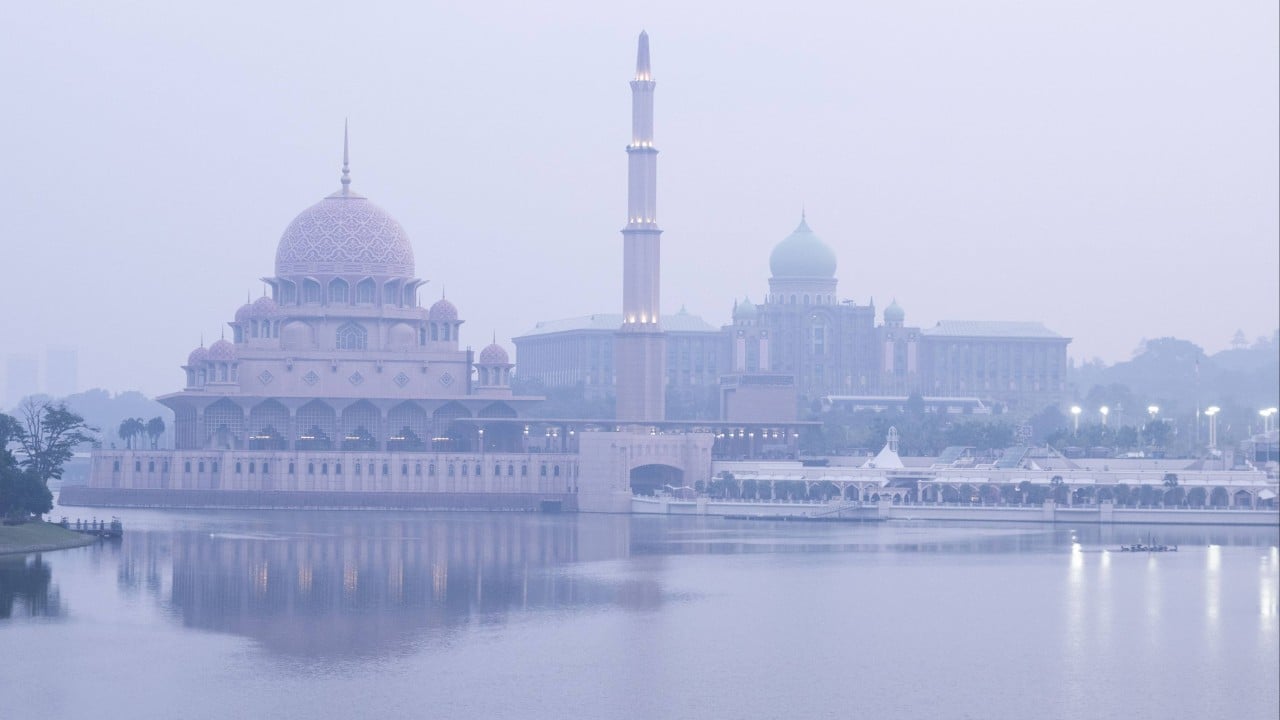
Thick, toxic smoke doesn't care about national boundaries. Every dry season, repetitive agricultural burning in parts of Indonesia sends a suffocating blanket of haze across the Malacca Strait and over Borneo, choking millions in Malaysia and Singapore. Governments usually trade diplomatic barbs while citizens buy N95 masks. Right now, a rare shift in cross-border cooperation is changing how Kuala Lumpur and Jakarta fight the smog. Indonesia has officially granted Malaysia clearance to cross its airspace for targeted cloud-seeding operations along their shared border.
If you're wondering why this airspace clearance matters so much, it comes down to geography and meteorology. You can't just drop water-inducing chemicals on smoke clouds over your own cities and expect a miracle. You have to intercept the weather systems upstream before the smoke rolls in. With an intensifying El Nino pattern meeting the southwest monsoon, both countries are racing against the clock.
Breaking Through Red Tape on the Border
Border sovereignty is normally fiercely guarded. Airspace violations trigger immediate military responses. That's why Jakarta giving the green light for Malaysian aircraft to operate across the boundary is a massive diplomatic and operational shift.
Natural Resources and Environmental Sustainability Minister Arthur Joseph Kurup confirmed that the clearance allows joint weather modification strategies. Malaysia's National Disaster Management Agency and meteorological department are currently synchronizing flight schedules with the Indonesian military. Instead of working in isolated silos, flight crews will target specific atmospheric cells right where the fires brew.
Sarawak has borne the brunt of the recent spike, with air pollution index readings climbing into unhealthy zones across multiple districts. When visibility drops and schools face sudden closures, reactive measures fall short. Intercepting dry atmospheric conditions before they spawn severe smog is the only way to get ahead of the curve.
Why Cloud Seeding is Only a Half Measure
Let's be honest about what cloud seeding can and cannot do. It's not a magic weather wand. You need actual convective clouds with enough moisture content in the atmosphere to make the operation work. If the sky is bone-dry and choked with high-pressure heat, aircraft loaded with silver iodide or salt compounds can't pull rain out of thin air.
Critics often point out that weather modification treats the symptom rather than the disease. The real fix requires stopping illegal slash-and-burn land clearing at ground level. Indonesia has deployed thousands of military personnel for ground firefighting and waterbombing operations, but enforcement across thousands of remote peatland islands remains an administrative nightmare.
Jet fuel and chemical deployment buy temporary relief. They clear the air just long enough for outdoor national holiday events, like Malaysia's upcoming National Day celebrations, to proceed without hazard. But relying solely on artificial rainstorms is like putting a band-aid on a structural fracture.
The Regional Stakes Moving Forward
The timing of this cross-border pact is critical. September brings major national celebrations and shifting monsoon transitions across the region. Unhealthy air quality indexes disrupt daily life, strain healthcare systems with sudden spikes in respiratory illnesses, and ground regional transport.
Malaysia has also signaled readiness to deploy direct ground firefighting assistance if Jakarta requests cabinet-approved support. Moving past old friction over who is to blame for the smoke means both nations realize regional crisis management requires shared skies.
Watch how these joint flight operations perform over the next few weeks. If the coordination holds, it sets a functional blueprint for handling environmental disasters across Southeast Asia. If the skies stay stubbornly dry, political pressure will shift right back to the root cause on the ground.
Malaysia tries cloud seeding to alleviate haze
This archive footage provides historical context on how Malaysian authorities utilize aerial cloud-seeding missions to combat regional forest fire smoke.
http://googleusercontent.com/youtube_content/1