When a prestigious Ivy League institution bans all fraternity parties for the rest of the academic year, you know the system has broken down in a catastrophic way. Cornell University president Michael Kotlikoff didn't just tweak a rulebook; he pulled the emergency brake. Fraternity houses on the Ithaca campus are facing a total freeze on social events following intense public backlash, student sit-ins, and overwhelming scrutiny over how campus authorities handled a brutal 2024 sexual assault allegation.
If you are paying attention to higher education safety trends, you realize this goes far beyond a single disciplinary hearing or an isolated bad chapter. It exposes the systemic failure of internal campus policing when severe crimes happen behind closed Greek-letter doors. Cornell is now handing over New York state police the primary role in investigating campus sex crimes, signaling that internal university security measures have lost public trust entirely.
What Triggered the Cornell Crackdown
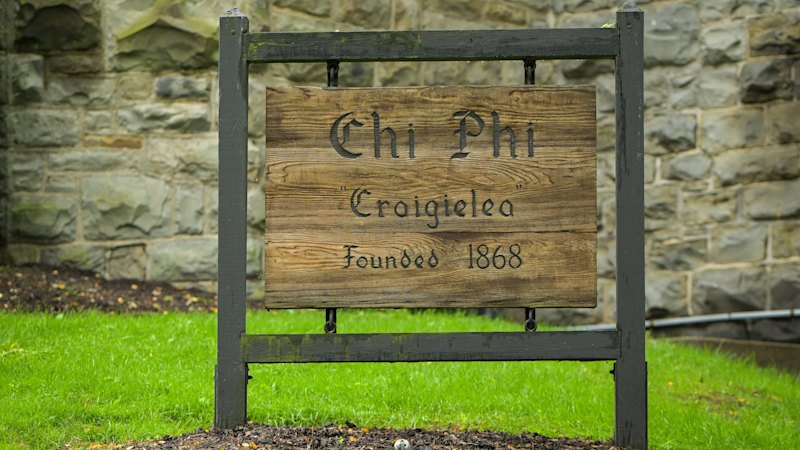
The drastic freeze didn't happen in a vacuum. It follows years of mounting pressure and a high-profile lawsuit detailing a 2024 alleged gang rape at the Chi Phi fraternity house. Survivors, student activists, and state officials pointed out glaring omissions in how campus police handled critical evidence, including a Snapchat group chat allegedly used by perpetrators while the assault unfolded.
When a system fails a survivor this publicly, patch jobs don't work anymore. New York Governor Kathy Hochul criticized the original handling, and state Attorney General Letitia James stepped in as a special prosecutor. Cornell appointed former U.S. Deputy Attorney General Sally Yates to independently review internal procedures, disciplinary workflows, and campus police responses.
The numbers tell a grim story. A campus climate survey revealed that 35 percent of women at Cornell experienced unwanted sexual contact, a number that spiked to 52 percent specifically among women involved in Greek life. Those aren't just statistics. They are an indictment of an entrenched social ecosystem that universities have protected for decades under the guise of student autonomy.
Why In-House Fraternity Bans Change the Equation
Banning parties at chapter houses for an entire academic year hits fraternities where it hurts most: their social monopoly and operational footprint. Historically, universities rely on slap-on-the-wrist probations or short-term suspensions that expire quietly after a few weeks. By locking down events through the entire 2026-27 academic year, Cornell is forcing an abrupt halt to the standard campus social calendar.
Of course, prohibition rarely stops social gatherings entirely; it often drives them underground to off-campus apartments and unsupervised basements where safety protocols vanish. That is why university leadership faces the immediate challenge of funding and designing sanctioned, secure alternatives. Fraternities can no longer operate as autonomous zones immune to external accountability. If Greek organizations want to survive on modern campuses, they need radical restructuring, mandatory live-in professional monitors, and zero-tolerance policies enforced by outside law enforcement rather than internal deans trying to protect the school's brand reputation.
The Shift Toward State Police Intervention
For decades, colleges preferred to handle major criminal investigations internally through Title IX offices and campus security forces. Critics have long argued that this setup creates an inherent conflict of interest. Universities have a financial incentive to minimize bad press, downplay violent crime statistics, and protect wealthy alumni donors.
By bringing in New York state police to handle sex crime investigations, Cornell is setting a new precedent for institutional accountability. Real criminal investigations require trained homicide and sex-crimes detectives, forensic digital analysis of group chats, and grand jury indictments—tools that student affairs administrators simply do not possess.
When campus security acts as both investigator and defender of the institution, transparency dies. Shifting these cases to state troopers removes the university's thumb from the scale and ensures that alleged felons face actual criminal justice rather than a campus tribunal that ends with a quiet administrative withdrawal.
What Other Universities Must Learn From Cornell
Every college administrator in the country is watching Ithaca right now. If it can happen at Cornell, it can happen anywhere Greek life operates with minimal oversight. Campuses must stop treating sexual assault as a public relations crisis to be managed and start treating it as a violent crime requiring immediate external intervention.
If you are a student, a parent, or an alum, look closely at how your own institution handles fraternity accountability. Ask hard questions about whether campus police have the legal jurisdiction and training to handle felony-level assaults, or if they are simply sweeping reports under the rug to protect enrollment numbers.
Cornell's decision to freeze parties and enlist state police is a severe corrective measure, but it is only a starting point. True safety requires dismantling the culture of impunity that lets predatory behavior hide in plain sight.