COP31 didn't collapse by accident. It hit a wall that has been building for years because the UN climate process requires near-unanimous agreement among almost 200 nations with wildly conflicting economic stakes.
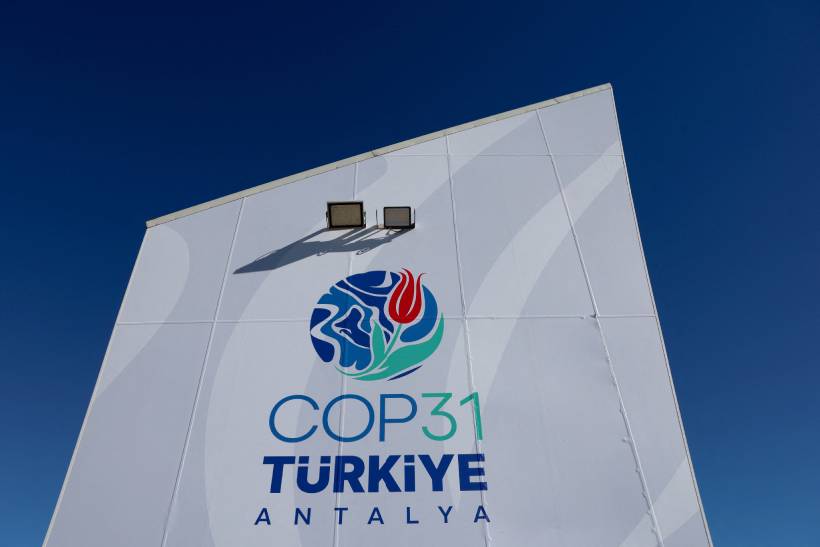
When negotiations in Antalya, Turkey, dragged roughly 50 hours past their scheduled Friday close into Sunday, November 22, 2026, it became the longest-running UN climate summit on record. Yet delegates walked away without a final cover decision on the proposed "Antalya pact." The last comparable breakdown at a UN climate summit happened in Copenhagen back in 2009.
Here's the uncomfortable truth behind the deadlock: the system worked exactly the way it was built to work. When every country holds an effective veto through consensus rules, and major fossil fuel producers push hard against naming coal, oil, and gas as the root driver of warming, watered-down compromises collide with countries that refuse to sign off on text that omits fossil fuels or ducks climate finance.
How COP31 Fell Apart Over Fossil Fuels and Money
If you've watched these summits for a decade, the plot feels painfully familiar. Governments arrive with big speeches about saving the planet. Behind closed doors, negotiators fight over single words that determine whether trillions of dollars of assets stay in the ground or keep generating revenue.
In Antalya, the joint Turkish-Australian presidency—with Turkey's Murat Kurum serving as COP president and Australia's Chris Bowen leading negotiations—put forward a draft "Antalya pact" that touched on electrification, adaptation finance, and minimizing overshoot of the 1.5°C warming threshold from the Paris Agreement. Sounds reasonable on paper, right?
Not to a huge bloc of countries. The European Union, the UK, and climate-vulnerable nations including Belize, Panama, and Vanuatu pushed back hard because the text failed to explicitly call for transitioning away from fossil fuels while leaving room for carbon capture and storage that critics argued could prolong fossil fuel use. Meanwhile, major fossil fuel exporters like Russia and Saudi Arabia opposed strong fossil fuel phase-out language.
Money was the other powder keg. Developing nations and climate-vulnerable states pressed for clearer commitments and faster access to climate finance, including scrutiny over a proposed $120 billion adaptation funding target. As reported by CBC News, the UN has pointed out that poorer nations face roughly $305 billion per year in adaptation needs while falling hundreds of billions short. When countries like Kenya or the Philippines point out that targets without real money are just speeches, they aren't being dramatic. They're doing basic math.
What Actually Passed Before the Cover Pact Stalled
People hear "COP31 failed" and picture the entire UN climate apparatus shutting down overnight. That's not quite what happened.
While negotiators couldn't agree on the overarching cover decision—and Kurum announced that no new text would be put forward—the summit still adopted a batch of procedural and technical decisions on related items, including work around a "just transition" mechanism for workers shifting away from high-carbon industries. Existing treaties like the Paris Agreement stay in place, and the next summit is already slated for Addis Ababa, Ethiopia, in 2027.
Still, passing technical annex items isn't the same as setting a bold global direction. When a headline summit runs fifty hours into overtime and still fails to pass its flagship political text, credibility takes a real hit.
Why Calling It a Surprise Misses How Consensus Diplomacy Works
I've spent enough time following international negotiations and energy policy to know one big mistake observers make after every chaotic COP: treating the collapse like a sudden glitch in an otherwise smooth machine.
It isn't a glitch. Consensus diplomacy is a feature of sovereignty, not a bug someone forgot to patch. No sovereign government—whether a petrostate protecting export revenues, a manufacturing hub worried about energy costs, or a small island state watching coastlines erode—wants to sign a binding text that looks like economic self-harm or existential surrender.
University of Oxford international environmental law professor Lavanya Rajamani, who helped draft the Paris Agreement, noted in coverage by TIME that the gap between climate science and political appetite has never looked wider as warming approaches 1.5°C. And UN Secretary-General António Guterres warned that while the talks hit a setback, there is still "no ambiguity in the science."
Honesty forces a harder look at both sides of that tension. Critics of the UN process—including voices like former US vice president Al Gore calling for reform of consensus rules—argue that letting a handful of holdouts block or strip out fossil fuel language turns global summits into lowest-common-denominator theater. On the other hand, reformers face a real dilemma: if you weaken consensus or force votes that major emitters reject, you might get a sharper statement on paper while losing practical participation from the very countries that pump out the most emissions.
Three Myths That Keep Tripping Up Climate Coverage
- Myth 1: A deadlocked COP erases past climate treaties. Wrong. The Paris Agreement and earlier UN decisions remain active legal and diplomatic frameworks even when a single annual summit fails to adopt a new cover pact.
- Myth 2: Every country at COP31 wanted the exact same deal minus one or two villains. Not even close. Rich nations, fossil fuel exporters, middle-income industrializers, and climate-vulnerable developing states each bring different priorities on finance, trade, carbon capture, and speed of transition.
- Myth 3: Diplomacy alone can cut emissions. Treaties set rules and norms, sure, but actual emissions drop when wind, solar, grid storage, heat pumps, and industrial alternatives beat fossil fuels on cost and reliability in the real economy.
What Comes Next After Antalya
If you care about climate policy, clean energy, or geopolitics, don't tune out just because Antalya ended in stalemate. Deadlock at the UN shifts pressure somewhere else—usually onto national laws, regional coalitions, capital markets, and raw technology deployment.
Watch how major blocs move next. Will the EU, the UK, and climate-vulnerable nations push tighter bilateral or smaller-group deals outside consensus vetoes? Will developing economies demand concrete delivery on adaptation finance before agreeing to tougher emissions pledges in Addis Ababa? And how fast will domestic energy costs push governments to build clean power regardless of summit gridlock?
If you work in policy, business, or advocacy, take three concrete steps this week:
- Read the actual UNFCCC outcomes rather than relying on one-line summaries. Check the UNFCCC COP31 Antalya decisions page to see which procedural and technical items actually passed versus what stalled in the cover decision.
- Track real-world capital and policy shifts, not just summit communiqués. Look at grid interconnection queues, clean power auction prices, industrial decarbonization grants, and national budget bills—those move markets far more reliably than summit speeches.
- Audit your own assumptions about climate timelines and risk. If you're planning strategy, investments, or reporting for 2027 and beyond, plan for messy politics, physical climate impacts continuing to test infrastructure, and uneven regional rules rather than smooth global consensus.