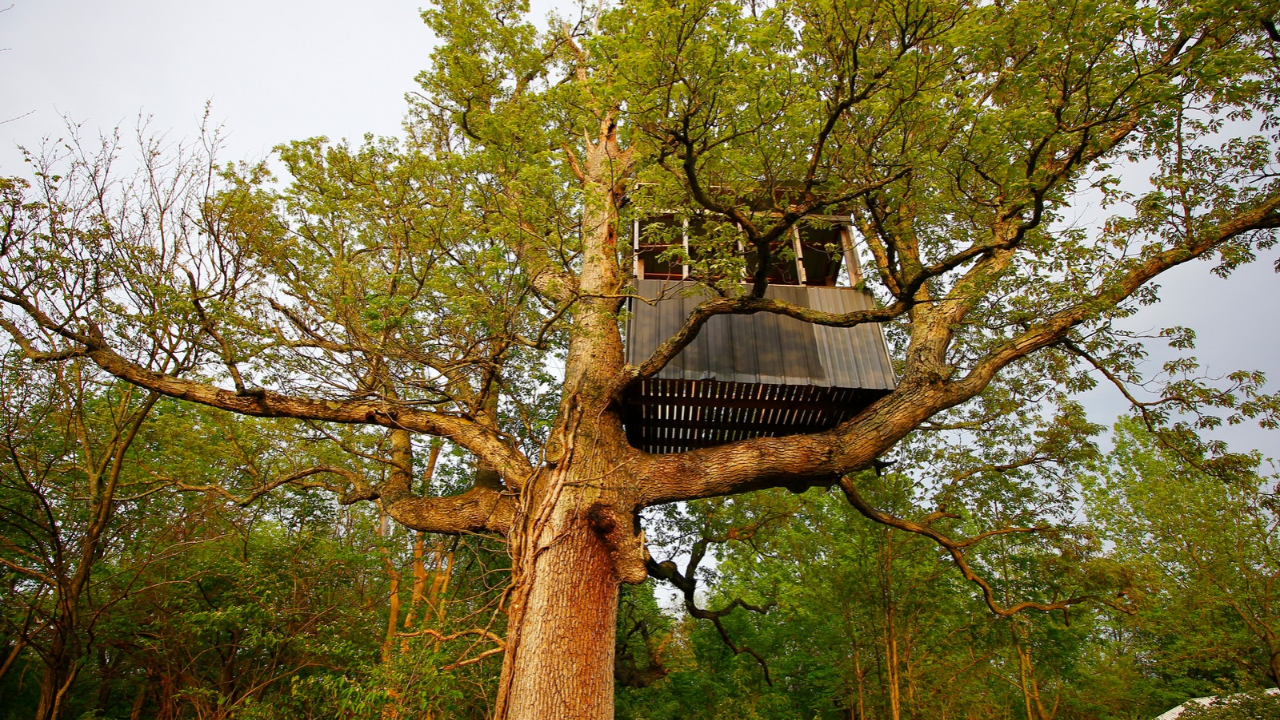
Five hundred and ninety-two signatures couldn't save a wooden treehouse beside Kansas's Redbud Trail. On November 15, 2026, the Larsen family in Andover took down the structure themselves after city officials ordered its removal from public land.
What started in spring 2026 as a build between nine-year-old Ezra Larsen and his grandfather grew into something bigger than a backyard project. Kids from nearby schools stopped by. Cyclists and walkers paused on the trail. Even Magic Tree House author Mary Pope Osborne backed the effort to keep it standing. Yet when the deadline hit, the wood came down.
Stories like this spark instant outrage online because the intent feels pure. A family builds a free outdoor hangout for kids in a screen-heavy world, neighbors love it, and city hall brings out the rulebook. Honestly, having watched dozens of local park and trail disputes play out over the years, I rarely see it as simple cartoon villainy. Usually, it's a collision between organic community joy and municipal liability, easements, and safety codes that nobody checked before driving the first nail.
What Happened Along the Redbud Trail in Andover
The structure sat outside the Larsens' fence behind their house, adjacent to the Redbud Trail in Andover, Kansas. According to local reporting, Ezra helped design and build it with his grandfather in spring 2026, and his brother Elam noted that trail users—including visitors from outside Andover—regularly stopped to play.
By August 2026, the city administrator sent a letter instructing the family not to construct or install improvements on Redbud Trail property or other city-owned or maintained land without prior contact and written authorization. Tatiana Larsen launched a petition that drew 592 signatures and spoke at city council meetings alongside her sons, Elam and Ezra, asking for a compromise.
No compromise arrived before the November 15 deadline. On removal day, Tatiana Larsen shared on Facebook that the family had tried and wished the treehouse could have stayed, adding that her children woke up in tears. She also told local press she'd welcome talking with the city about creating a replacement space.
Why Cities Order Removal of Community Builds on Public Land
People often assume a city tears down a neighborhood build purely to be heavy-handed. Sometimes bureaucrats do act rigidly. Still, public land managers face real structural pressures that a family building on a weekend doesn't have to carry.
First comes property boundaries and easements. A fence line doesn't always match a parcel line or a public trail corridor. Once an unpermitted structure sits on land the city owns, leases, or maintains, the municipality inherits questions of control, encroachment, and maintenance responsibility.
Second is risk and insurance exposure. A DIY treehouse or swing set built by private citizens hasn't been inspected to municipal playground standards, checked for structural load limits, or covered under the city's risk pool. Even when state recreational use statutes offer liability shields, municipal attorneys routinely warn councils that unauthorized structures create gray zones around maintenance and safety. You can read more about how public land managers weigh risk in WeConservePA's guidance on public access liability.
Third is precedent. If a city allows one unapproved structure on trail land because the family is kind and the kids love it, what happens next month when someone builds a ramp, a shed, or a rough trail shortcut? Cities enforce rules unevenly at their own legal peril.
Where Well-Meaning Neighbors and Councils Usually Miss Each Other
Having worked alongside neighborhood groups and municipal staff on small park projects, I see the same pattern repeat. Families lead with heart and immediate community impact. Cities lead with process, title maps, and risk checklists.
The Larsens called the space a kind of free "third place" where kids and teens gathered outdoors without paying a dime. That instinct hits a real nerve. Kids do need unstructured outdoor places to climb, hang out, and bump into neighbors.
Where things stall is timing. Approaching a city council after a structure is already built on public land puts officials on defense. At that point, approving it looks like waiving rules under public pressure, while enforcing removal looks heartless. Asking for a compromise on a finished structure is way harder than asking for a small pocket-park or trail-side bench pilot before building.
It's also worth noting what wasn't publicly settled in the coverage: the city hadn't issued a public reply when local reporting went out, so readers don't have Andover's full written rationale side-by-side with the family's account. Keeping that gap clear matters—we shouldn't invent motives for either side.
Practical Next Steps If You Want to Build a Shared Kid Space
If you're a parent, grandparent, or neighbor hoping to create an outdoor spot for kids without ending up with a teardown notice, take a few practical steps first:
- Pull the exact parcel map before buying lumber. Check county GIS or city engineering maps so you know with certainty where your private lot ends and public right-of-way, drainage, or trail land begins. Keep builds strictly on your own property unless you have formal written permission.
- Talk to parks or city staff early with a concrete sketch. If you want to partner on public land or a trail edge, bring a simple plan showing materials, location, upkeep commitments, and how safety or accessibility concerns could be addressed.
- Build on private land if you want zero city veto. A backyard treehouse or play space on your own parcel avoids public-land rules, though you should still check local zoning, height limits, or HOA rules if applicable.
- Channel petition energy into a formal park proposal. Five hundred-plus signatures show real neighborhood demand. Instead of fighting a losing battle over an unpermitted spot, ask the council to designate an approved spot or budget line for a neighborhood play area or trail rest stop.
A tear-down hurts because the care behind the build was real. Getting the land and approval right upfront is how you keep that care from turning into heartbreak.