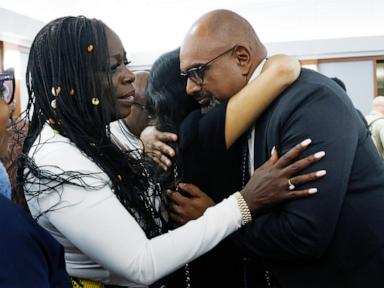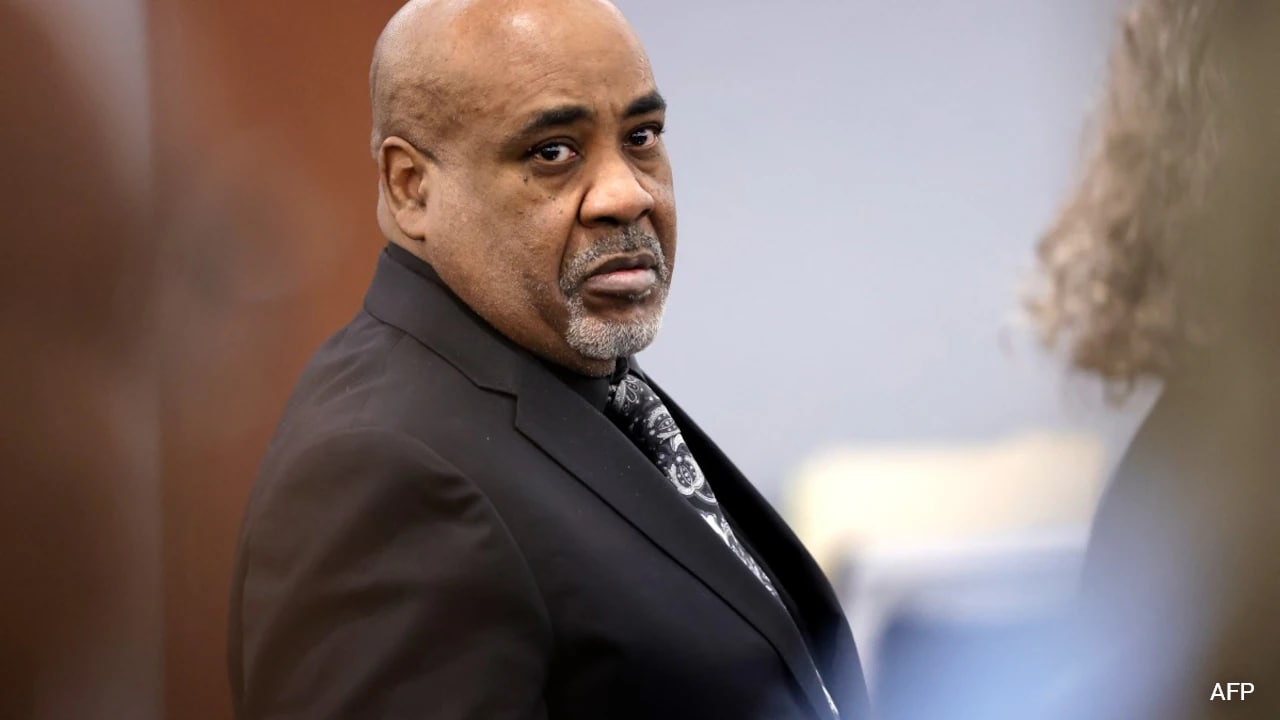
Thirty years is a long time to wait for justice. For decades, the murder of Tupac Shakur remained one of modern music's most frustrating open files, a riddle wrapped in street mythology, police apathy, and Hollywood lore. But that chapter finally closed when a Las Vegas court found former gang member Duane Keith Davis guilty of orchestrating the 1996 shooting that ended the rap icon's life.
If you followed this case over the years, you probably felt like closure was impossible. The official narrative kept stalling. Witnesses clammed up, rumors mutated into urban legends, and the case sat cold for generations. Let us look past the sensational headlines to understand what this verdict actually means, how the investigation finally broke open, and why it took an agonizing three decades to hold someone accountable.
The Long Road to a Vegas Courtroom
Most people forget how chaotic the investigation was back in September 1996. Tupac Shakur was just 25 years old when a white Cadillac pulled up alongside his car at a Las Vegas stoplight and a gunman opened fire. He died six days later. Police struggled from day one, largely because of a wall of silence on the streets. Nobody wanted to talk to detectives. Code of the streets ruled over cooperation with the law.
For years, Duane Keith Davis—better known as Keefe D—freely talked about his involvement in interviews, documentaries, and a memoir he published in 2019. He basically bragged about supplying the gun and orchestrating the hit from the passenger seat of that Cadillac. Yet, law enforcement didn't make an arrest for a very long time. Why? Talking on podcasts or writing a book doesn't automatically equal admissible evidence in a murder trial. Prosecutors needed airtight testimony that could withstand cross-examination in a court of law.
When the Las Vegas Metropolitan Police Department raided a home linked to Davis in July 2023, things shifted. They seized computers, hard drives, and magazines detailing the fatal shooting. That raid wasn't random theater. It was the catalyst that finally pushed a grand jury to indict Davis on a charge of murder with the use of a deadly weapon, bolstered by gang enhancements.
What Keefe D Got Wrong About the Streets
Keefe D thought he was untouchable. That is the ultimate trap for people who mistake notoriety for immunity. He assumed that because the murder happened in the 90s, the statute of limitations on arrogance would protect him forever. He didn't count on younger generations of investigators looking at old evidence with fresh eyes, nor did he anticipate that his own public admissions would eventually be used by prosecutors to stitch together a conspiracy charge.
During the trial, the prosecution laid out a clear blueprint of the events leading up to that fateful night at the MGM Grand, where Shakur and members of the South Side Crips had gotten into a physical altercation earlier in the evening. Davis orchestrated retaliation. He handed the weapon to his nephew, Orlando Anderson, who was killed in a separate shooting a few years later.
People often ask why Anderson wasn't tried during his lifetime. The Las Vegas police failed to build an immediate case against him back then, distracted by jurisdictional red tape and an uncooperative victim circle. By the time authorities seriously targeted Davis decades later, Anderson was long gone. That left Davis as the last man standing to face a jury box.
The Real Impact of the Verdict
You might wonder if a guilty verdict thirty years later matters at all. After all, Tupac isn't coming back. The golden era of 90s hip-hop remains defined as much by its tragic losses as its timeless art.
It matters because accountability has an expiration date that society shouldn't simply accept. Families of victims deserve answers, even if those answers take a lifetime to materialize. This trial also dismantles the myth that music industry legends can be gunned down in broad daylight with total impunity.
Look at the broader picture of cold cases being revived through modern forensic capabilities and digital footprints. Investigators today have tools, public records, and social media disclosures that didn't exist in 1996. If you think you can brag about a crime on camera and walk away forever, this verdict serves as a loud wake-up call.
What Comes Next for the Legacy of Tupac Shakur
With the legal drama finally reaching its conclusion, attention shifts entirely back to the music and the enduring cultural footprint Tupac left behind. Books, documentaries, and academic courses will continue dissecting his poetry, his political consciousness, and his flaws.
Don't let the true crime sensationalism overshadow the art. When you listen to All Eyez on Me or Me Against the World today, hear the voice of a young man who saw the world with absolute clarity and unmatched passion. The legal system took its sweet time, but history has finally recorded who pulled the strings in the dark.
Review the facts, keep your perspective grounded, and remember that justice, no matter how delayed, reshapes how we look at the past.