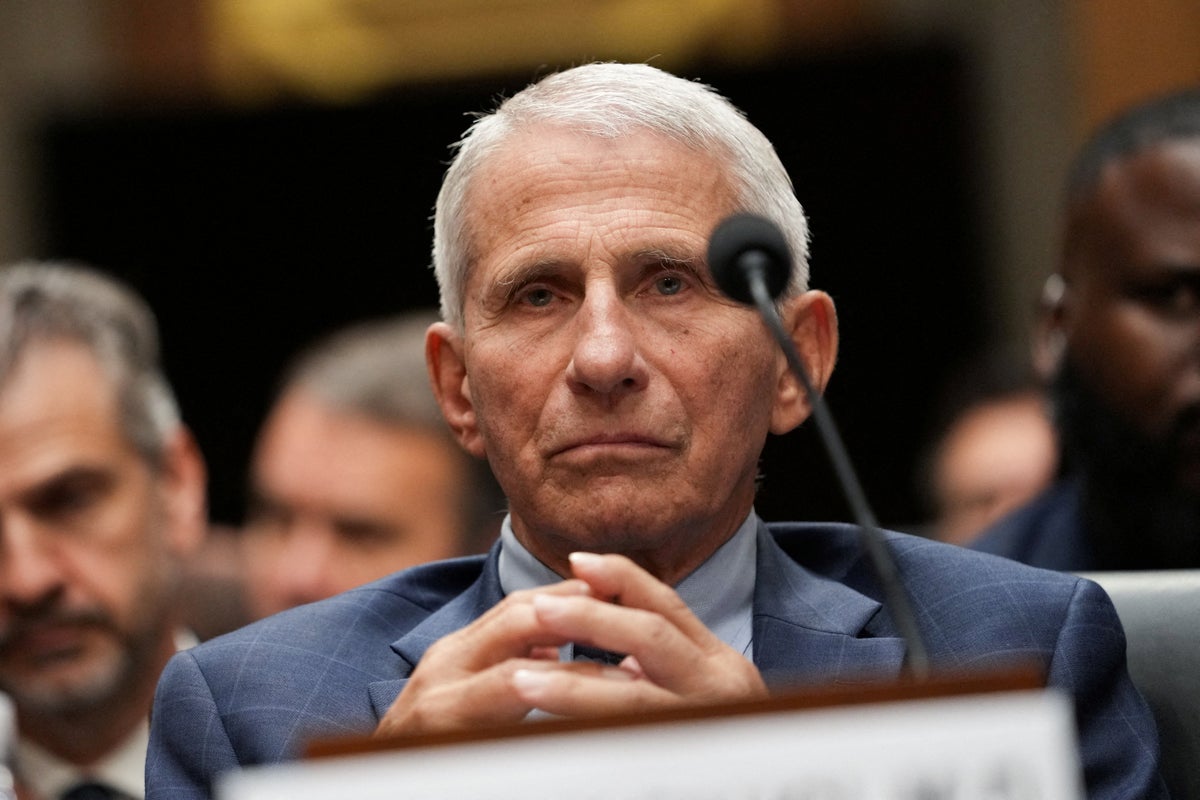
Dr. Anthony Fauci sat before a Senate panel, looked lawmakers in the eye, and invoked the Fifth Amendment more than 100 times. He refused to answer even basic inquiries, setting off a political explosion. Now, a Republican-controlled Senate committee has voted to hold the veteran public health official in contempt of Congress.
If you are wondering what happens next, you are looking at uncharted legal territory. This clash pits congressional subpoena power directly against constitutional self-incrimination protections, creating a high-stakes constitutional showdown.
Here is what is actually going on behind the headlines and where this fight heads next.
The Anatomy of a Standoff
The contempt vote didn't happen in a vacuum. Senator Rand Paul, chair of the Senate Homeland Security and Governmental Affairs Committee, has spent years trying to corner Fauci over pandemic origins, institutional transparency, and agency communications.
Days before the tense hearing, Paul released over 1,000 pages of Fauci's private diary entries. Those documents became ammunition. When Fauci took the witness chair under subpoena, his strategy was absolute silence. He cited his constitutional rights, pointing directly to what he described as a persistent vendetta aimed at putting him behind bars.
Republicans hit back with a specific legal argument. They noted that Fauci received a pardon from President Joe Biden covering acts from 2014 through January 2025. Their stance is simple: if you are immune from prosecution for that period, you cannot legally plead the Fifth.
Fauci's legal team countered that the protection is a mirage. They argued that hostile political actors could manipulate new statements into fresh perjury or false-statement charges, effectively walking him into a legal trap.
Bypassing the Senate Floor
Usually, a committee contempt citation must clear the full chamber before it goes anywhere. Senator Paul has signaled a different route. He intends to transmit the referral straight to the Department of Justice, attempting to bypass a full Senate vote where 60 votes would be mathematically out of reach.
This maneuver sparks an immediate institutional debate. Democrats on the panel argued that sending a committee-only referral without full chamber backing lacks legal validity.
Even so, the referral lands on the desk of federal prosecutors in Washington.
What the Department of Justice Will Do Now
A congressional referral does not force prosecutors to act. The U.S. Attorney's office in the District of Columbia holds total discretion over whether to open a grand jury investigation or bring criminal contempt charges.
Deciding to prosecute would mean entering a legal minefield. Prosecutors would have to test whether a pardoned witness can legally refuse to testify based on the fear of subsequent process crimes. Refusing to prosecute, on the other hand, risks drawing fury from congressional Republicans who view accountability for pandemic-era policies as an absolute priority.
Expect months of procedural delays, court challenges, and motion filings if prosecutors decide to touch this case.
The Broader Fallout for Congressional Power
This fight goes far beyond one retired doctor. If congressional committees can successfully punish witnesses who invoke the Fifth Amendment despite holding executive pardons, the rules of congressional oversight change overnight.
Future witnesses will face an impossible dilemma. Cooperating with Capitol Hill could expose them to aggressive questioning designed to unearth technical misstatements, while refusing to talk triggers immediate contempt proceedings.
Keep your eyes on how federal prosecutors handle the referral. The courts will ultimately decide whether a blanket pardon completely strips away the right to remain silent, or if the Constitution still protects witnesses caught in partisan crossfires.