Lawmakers love talking about artificial intelligence. Actually passing rules to control it? That is an entirely different story.
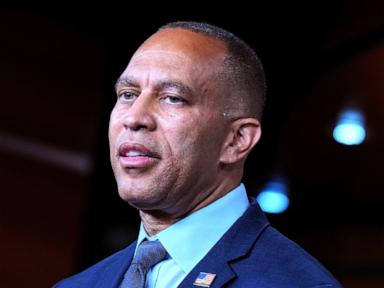
House Democratic Leader Hakeem Jeffries recently went on television to demand that Washington act urgently on AI. He argued that Congress needs to quit dragging its feet and put real guardrails in place to protect everyday Americans. But let us be honest about how things work in Washington. Everyone agrees there is a massive problem, yet hyper-partisan gridlock ensures nothing substantial gets done quickly.
You do not need a degree in computer science to see why this matters. AI models are evolving faster than the bureaucratic committees tasked with overseeing them.
The Core Problem with Congressional Oversight
Capitol Hill moves at a glacial pace. Technology moves at warp speed. When political leaders call for swift action, they are usually reacting to the latest terrifying headline rather than executing a cohesive, long-term strategy.
During his recent appearance on ABC’s This Week, Jeffries made it clear that artificial intelligence policy has become an urgent priority for House Democrats. He pointed out that leaving tech companies entirely to their own devices creates massive risks for public safety, consumer privacy, and the economy. Yet, calling for action and actually delivering a functional, bipartisan bill are two very different things.
Lawmakers are deeply divided. Some believe heavy-handed rules will crush American innovation and hand the technological crown to foreign competitors. Others want strict safety evaluations, mandatory transparency reports, and strict limits on automated decision-making.
Why Both Parties Are Struggling to Agree
It is easy to blame the other side, but the truth is messier. Internal divisions plague both political parties when it comes to technology policy.
- The Pro-Innovation Faction: Many politicians fear that over-regulation will kill the golden goose, arguing that startups and major labs need breathing room to compete globally.
- The Safety Advocates: A growing cohort of lawmakers points to warnings from industry insiders, noting that rapid deployment without proper oversight creates severe societal risks.
- The Special Interests: Big tech lobbyists flood Capitol Hill daily, watering down proposals and ensuring loopholes get baked into any serious legislation before it ever reaches the floor for a vote.
When you mix high-stakes lobbying with politicians who barely understand how large language models work, you get paralysis.
What Happens When Washington Does Nothing
If Congress fails to establish a coherent federal standard, a chaotic patchwork of state-level rules will take over. Companies will have to comply with fifty different state laws, creating a compliance nightmare for small businesses while tech giants absorb the legal costs.
Meanwhile, public trust continues to erode. People see deepfakes manipulating elections, automated systems denying loans without explanation, and massive data centers straining local power grids. They want leadership, not just soundbites on Sunday morning talk shows.
If you are waiting for Washington to solve the AI safety crisis overnight, don't hold your breath. Real change usually happens only after a catastrophic failure forces politicians' hands. Until then, expect plenty of fiery rhetoric, endless committee hearings, and very little actual lawmaking.
Track upcoming committee hearings, read the primary text of proposed bills rather than partisan summaries, and pay attention to how your local representatives vote on tech accountability measures.