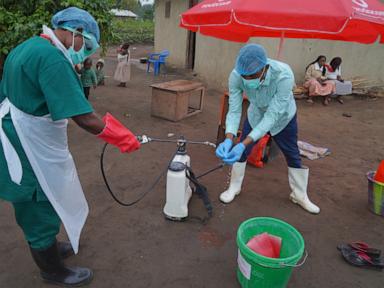
The World Health Organization dropped a grim reality check: the massive Ebola outbreak ripping through eastern Democratic Republic of the Congo didn't start when officials declared it in mid-May. It actually began back in February.
Genetic sequencing data revealed that the virus had been quietly circulating for months, slipping past surveillance because early victims were misdiagnosed with common local illnesses like malaria and typhoid. By the time authorities officially raised the alarm on May 15, the virus already held a massive head start.
If you've been following global health headlines, you know numbers change fast. Confirmed cases have now surged past 4,200, with over 1,900 recorded deaths. Dr. Mohamed Yakub Janabi, the WHO regional director for Africa, put it bluntly during a news briefing: "So we are chasing the virus, the virus is ahead of us".
Why This Outbreak Is Different
You can't treat this crisis like past epidemics. Most previous outbreaks in Congo involved the Zaire strain of the virus, for which standard vaccines and treatments exist.
This time, the culprit is the Bundibugyo virus.
There are zero approved vaccines or specific therapeutic treatments for this strain. When medical teams first ran diagnostics in the spring, they tested for the more common Zaire type, which built a dangerous blind spot into the early response. By the time labs confirmed the Bundibugyo strain using samples analyzed through Congo's National Institute for Biomedical Research, transmission chains were already deeply entrenched.
This has officially become the fastest-growing Ebola outbreak on record. It took a staggering toll in weeks that previous mega-outbreaks took months to reach. For comparison, the infamous 2014-2016 West Africa outbreak—previously considered the worst ever—took about eight months to hit 1,000 deaths. This current crisis scaled up death and infection rates at a pace health agencies haven't witnessed before.
The Ground Realities Fueling the Spread
Data points on a page don't capture what's happening on the ground. Eastern Congo is one of the most volatile regions on the planet. Decades of rebel conflict have shattered local healthcare infrastructure.
When you combine active combat zones with a population of highly mobile traders, miners, and displaced families crossing porous borders, containment becomes nearly impossible.
Other compounding factors make daily response work a nightmare:
- Strikes and Shortages: Some local health workers have staged walkouts over unpaid wages, while medical teams face severe shortages of basic protective gear.
- Deep Distrust: Years of trauma, combined with active misinformation claiming the virus is a hoax, mean many residents actively avoid treatment centers. Pregnant women and sick villagers stay home out of fear, dying quietly in communities where tracing contacts is already a losing battle.
- The Tracking Gap: Health authorities report that an alarming 60% to 70% of new cases are popping up completely outside of monitored contact lists.
When tracking lists miss seven out of ten new patients, public health containment strategies effectively fly blind.
What Happens Next
The WHO maintains that the global risk remains low because Ebola doesn't spread via airborne transmission. Cases popping up outside the immediate zone—such as isolated travel-related instances found in neighboring Uganda—have been contained quickly.
Yet local containment is where the system is buckling. Tedros Adhanom Ghebreyesus, the WHO Director-General, noted after visiting Kinshasa that new cases are actively doubling in key hotspots.
Stopping a virus moving this fast requires more than emergency declarations. It demands immediate funding for unapproved strain countermeasures, security guarantees for mobile medical units, and rebuilding basic trust in communities that have been abandoned by standard safety nets for generations. Until those pieces click into place, the response will keep running behind a virus that refuses to slow down.