You can build all the treatment tents you want. If there is nobody inside to treat the sick, you are just setting up expensive empty targets. Right now, the Democratic Republic of Congo is facing a brutal reality check as the fastest-growing Ebola outbreak in history collides with a massive shortage of medical personnel.
The World Health Organization recently dropped a blunt warning. Treatment centres are standing up across North Kivu, but they lack the staff to run them. Cases in that specific province surged by seventy-three percent over a short three-week window. Meanwhile, thousands of confirmed cases and thousands of deaths continue to mount across multiple provinces.
Why are treatment beds sitting empty while people suffer? The crisis goes far beyond a simple lack of medical professionals on paper.
The Human Cost of Unpaid Wages
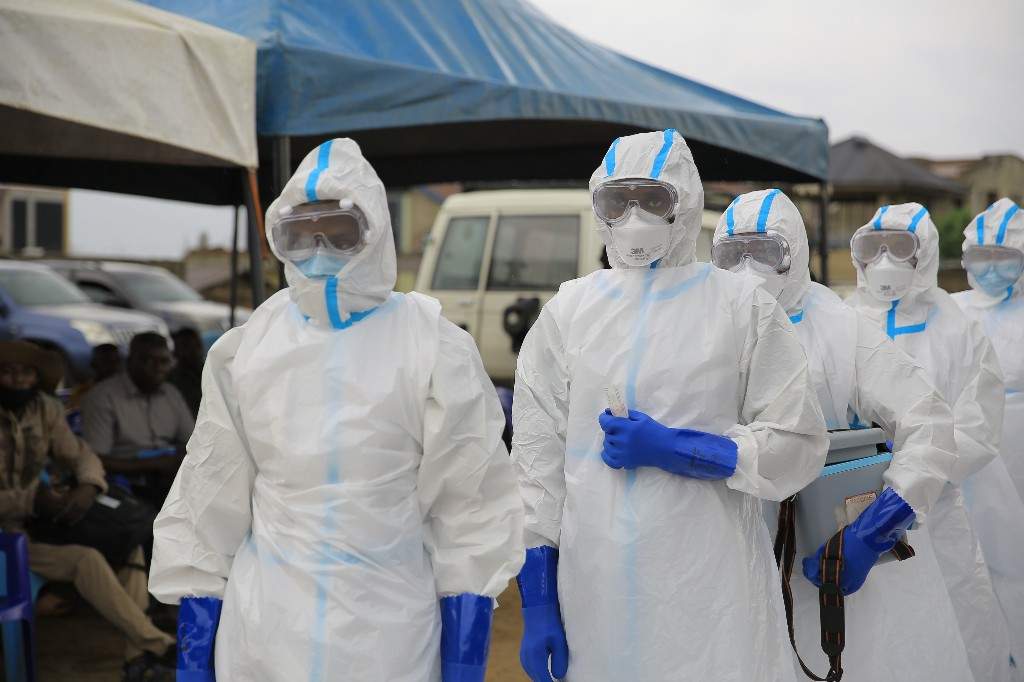
Frontline medicine during a hemorrhagic fever outbreak is terrifying work. You sweat inside heavy personal protective equipment for hours. You manage patients suffering from severe dehydration, vomiting, and organ failure. You do this knowing that a single slip of your gloved hand could mean infection.
Now, imagine doing all of that while wondering how you are going to feed your family because your paycheck hasn't arrived.
That is the reality that triggered recent health worker strikes in parts of the outbreak zone. While national health officials scrambled to audit payroll lists after ghost workers and unauthorized names bloated the system, legitimate frontline staff went unpaid. Promised wage arrears trickled in unevenly or failed to arrive at all. When doctors and nurses cannot afford basic groceries, staying home becomes a survival strategy.
Anne Ancia, the WHO representative in Congo, pointed out that a single Ebola treatment unit requires roughly 300 professionals. You need general practitioners, specialized nurses, anesthetists, and infection control hygienists. When you cannot keep those teams staffed, survival rates plummet.
Where the Epidemic Hurts Most
The outbreak is not moving uniformly. While some epicenters like Ituri province have shown slight downward trends in transmission rates, other areas flare up unpredictably. The geographic spread covers seven provinces, making containment an administrative and logistical nightmare.
Children under five are bearing the heaviest burden. Their case fatality rate sits above sixty percent, compared to around forty percent for adults. Small children cannot articulate early symptoms clearly. Their clinical presentation can mimic other common tropical illnesses, masking the infection until it is too late for supportive care to work.
Security issues and intense population displacement complicate everything further. Armed conflict forces families to flee, carrying the virus into new communities before contact tracers can map the chains of transmission.
Breaking the Cycle
Fixing this crisis requires a complete shift in emergency funding priorities. International donors love sending supplies, vaccines, and prefabricated structures because those items photograph well and fit neatly into logistics reports.
Cash flow for local wages doesn't get the same glamour, but it is the single most important metric for containment. Until every nurse, hygienist, and contact tracer in North Kivu is guaranteed steady, reliable pay, the outbreak will outpace the response.
The WHO warns that this epidemic is on track to rival or exceed the historic West African outbreak of 2014-2016. Stopping it requires recognizing that medical staff are the primary infrastructure. Protect them, pay them, and keep them on the front lines.