Twelve thousand cases. Let that number sink in.
When an epidemic hits that kind of scale, it stops being a local medical emergency and morphs into an absolute disaster of logistics, human panic, and institutional failure. Right now, the DRC is staring down a nightmare scenario as the Ebola outbreak crosses that grim milestone. Worse yet? The very people sent to stop the bleeding are packing up and leaving.
Responders are evacuating. Security concerns, overwhelming infection rates, and broken supply chains are forcing boots off the ground. If you think this is just another distant headline you can swipe past, you're missing the bigger picture. Pandemics don't respect borders, and a collapse in Central Africa ripples across global health security faster than you can blink.
Let's break down what's actually happening on the ground, why the response is crumbling, and what needs to change before this thing swallows an entire region.
The Breaking Point of a Health Crisis
Handling Ebola is hard enough in a stable, wealthy nation with a pristine infrastructure. Doing it in parts of the Democratic Republic of Congo marked by conflict, deep-seated community mistrust, and a shattered healthcare grid is like trying to defuse a bomb in the middle of a hurricane.
When case numbers cross the 12,000 threshold, contact tracing becomes a mathematical impossibility. You can't track thousands of secondary and tertiary contacts when local health clinics lack electricity, clean water, and basic protective gear.
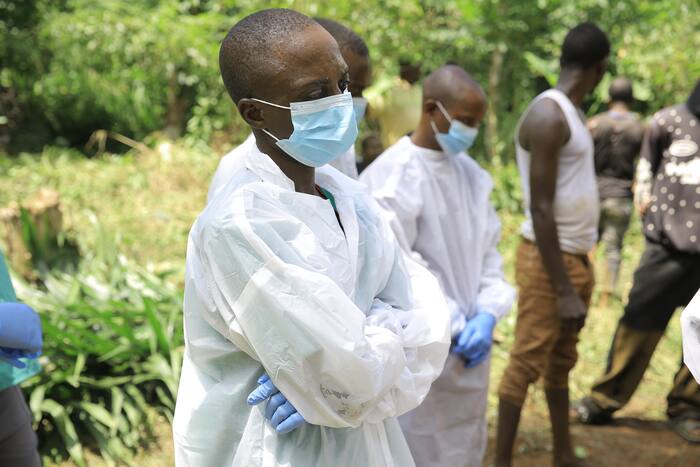
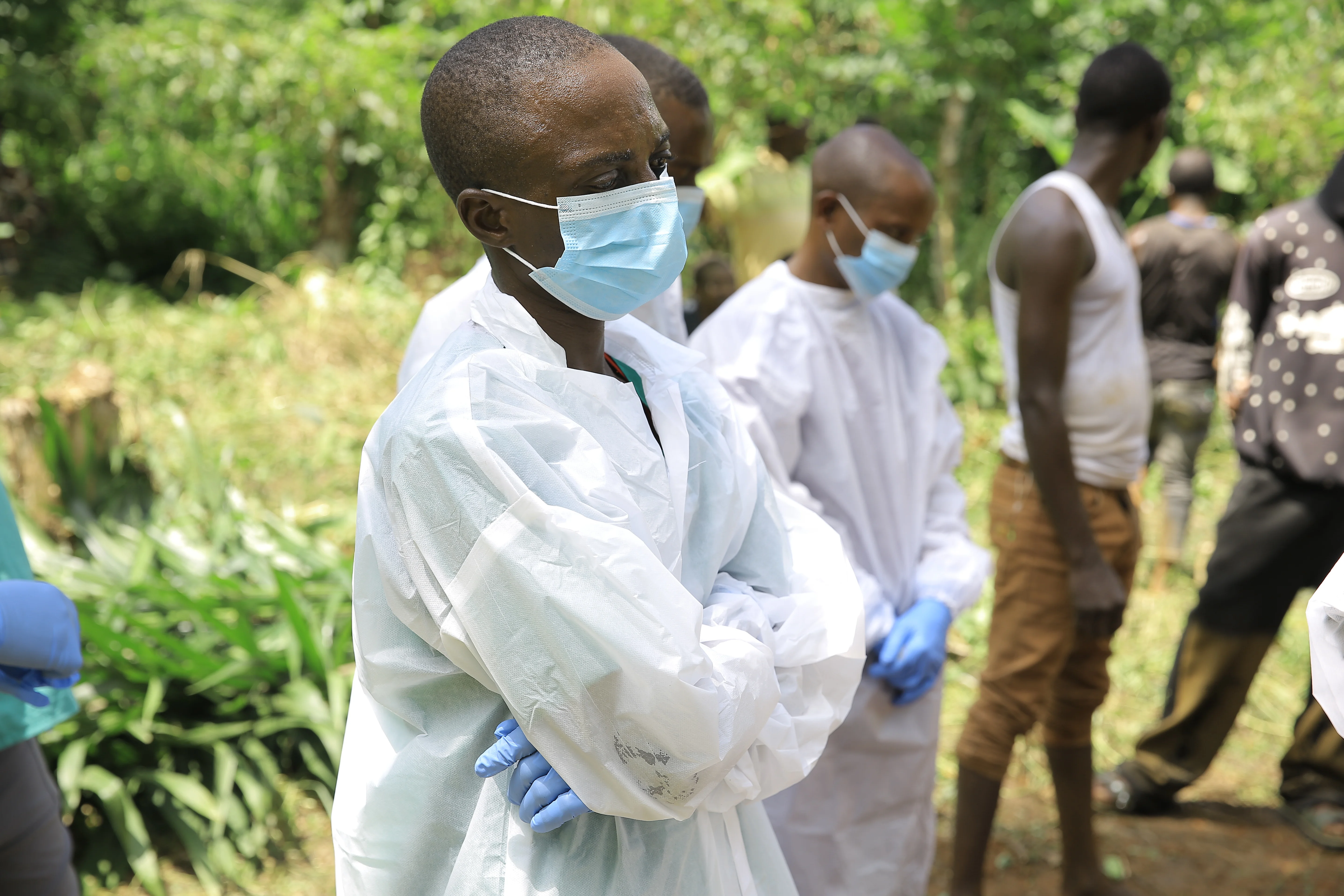
I've watched public health initiatives implode before, and the pattern is always the same. It starts with a slow burn of underreporting. Then comes the explosion of cases. Finally, the system experiences total cognitive and physical exhaustion. Doctors and nurses are working twenty-hour shifts until they drop. Many are contracting the virus themselves. When medical professionals start dying or fleeing because they lack basic security and protection, the machinery of containment grinds to a halt.
Why Responders Are Packing Up
You can't blame human instinct, but you can definitely blame the systemic failures that forced these evacuations. Medical responders aren't running away because they lack courage. They are leaving because the math of survival has turned against them.
Armed conflict and deep civilian hostility have turned treatment centers into targets. Rumors and misinformation spread through villages faster than the virus itself. When local communities view medical teams with suspicion—sometimes even accusing them of bringing the disease—violence follows.
Add to that the logistical nightmare of getting supplies into remote zones where bridges are out, roads are washed away, and fuel is scarce. When supply lines snap, responders face an impossible choice: stay and risk dying of exhaustion and targeted violence with zero medicine left, or pull out and let the outbreak burn unchecked.
They are evacuating. And every time a team pulls out, a massive blind spot opens up on the epidemiological map.
The Trust Gap That No Vaccine Can Fix
Science has given us incredible tools to fight Ebola. We have vaccines that work. We have treatments that save lives if caught early. But science is useless if the people who need it refuse to take it.
This is where public health strategists constantly fail. They treat an outbreak purely as a biological math problem. They forget the human element. Decades of institutional neglect, political instability, and broken promises leave local populations deeply skeptical of men and women in hazmat suits showing up from the capital or abroad.
If a community believes the outbreak is a hoax, or worse, a weapon used against them, they will hide their sick relatives. They will bury their dead in secret. By the time health workers find out about a cluster, half the village is infected.
Fixing this requires something much harder than shipping vials of vaccine. It requires local leadership, transparent communication, and actual respect for community leaders who understand the cultural nuances better than any international bureaucrat.
What Happens Next
Ignoring a fire this big never puts it out. It just gives it room to breathe.
If the international community treats this as a localized DRC problem, they are playing a dangerous game of roulette. Pathogens mutate, travel, and exploit weak global networks. Funding needs to pour in immediately, not as bureaucratic red tape, but as direct, flexible support for the frontline workers who are holding the line.
Security must be guaranteed for medical personnel. Without a safe working environment, no amount of money or medical tech will convince teams to return to the hotspots.
Keep your eyes on this situation. Support organizations that are transparent, community-led, and actually getting results on the ground. Demand better coordination from global health bodies before a localized tragedy turns into a global catastrophe.