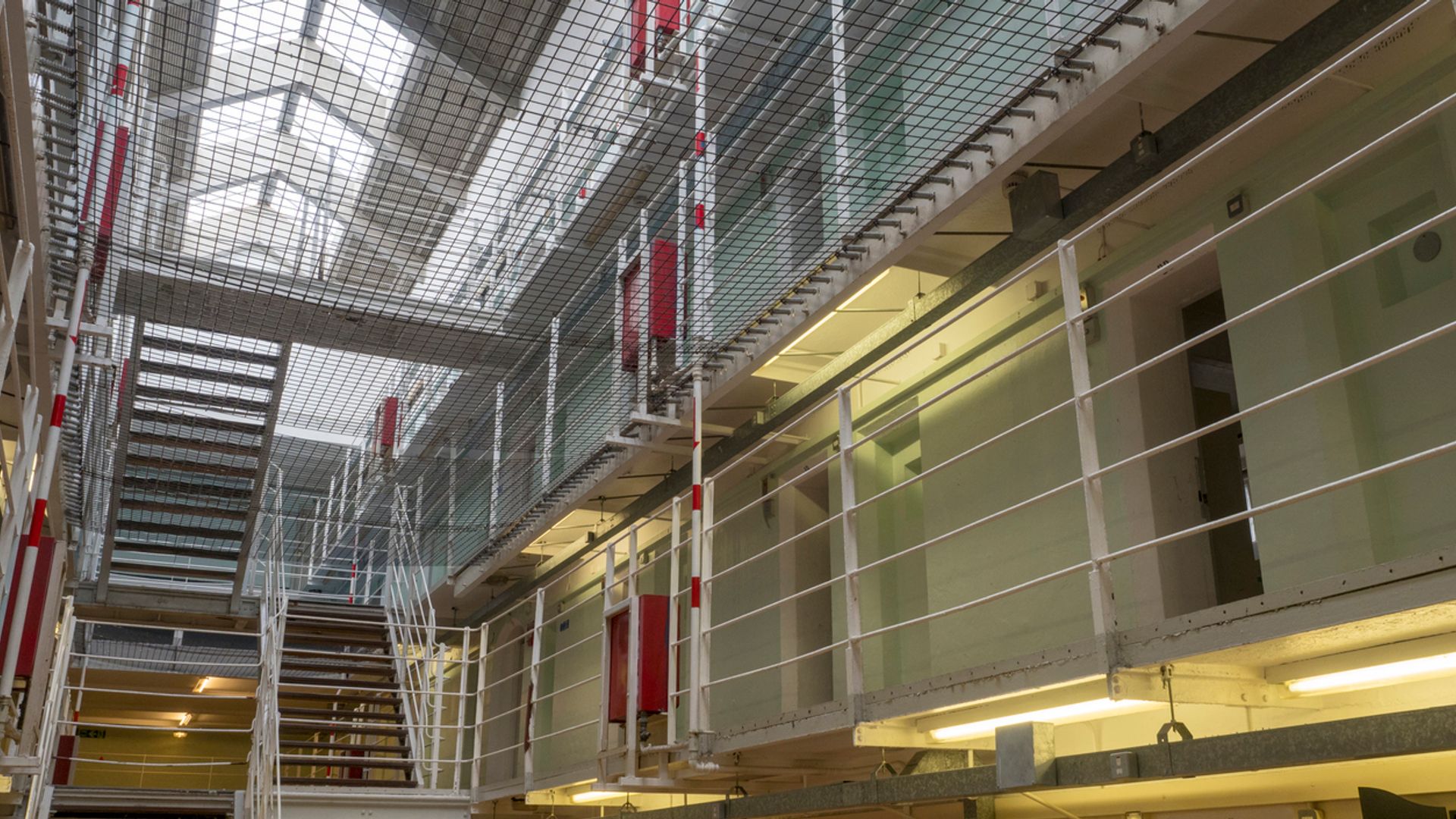
Imagine finishing a prison sentence and discovering your world has basically shrunk to the size of a single neighborhood. That is the reality facing violent and sexual offenders under a hardline policy shift in the UK. Instead of just banning criminals from specific streets or a victim's home, authorities are flipping the script. They are trapping released inmates inside restrictive geographic perimeters just a few miles wide.
Justice Secretary Alex Norris made it crystal clear. Victims shouldn't have to constantly look over their shoulders or completely uproot their daily routines just to stay safe. Under the new rules, GPS technology monitors every single step, locking offenders into tight micro-zones. If you found value in this piece, you might want to check out: this related article.
How the Restriction Zones Actually Work
We have long relied on exclusion zones. Those are the standard legal boundaries that keep someone away from a specific location, like a victim's workplace or a school. They work fine on paper, but they leave vast expanses of open territory where victims can still run into their attackers by sheer bad luck.
The new approach introduces restriction zones. Rather than telling someone where they cannot go, the state tells them where they must stay. For another look on this development, refer to the latest coverage from Al Jazeera.
- The Size Limit: Boundaries span just a few miles wide.
- The Tech: Mandatory GPS tagging tracks real-time location.
- The Access Factor: Zones are supposedly mapped out to ensure offenders can still reach mandatory probation appointments and rehabilitation services.
Victims also get a direct voice in shaping these boundaries. Working alongside probation officials, they help define the invisible fences that keep perpetrators at a safe distance.
The Logistics Nightmare Nobody Is Talking About
Honesty time: tracking thousands of criminals with pinpoint accuracy sounds great during a parliamentary press conference. Executing it on the ground is an absolute headache.
Probation services are already stretched thin. Adding round-the-clock GPS tracking requires immense technical infrastructure, instant alert systems, and rapid-response teams when a tag crosses an unauthorized line. If a restricted zone is only a few miles wide, what happens when an offender needs medical care outside that bubble? How do housing officers find stable accommodation for people trapped in such rigid parameters?
If an offender has no fixed address, the whole system stalls out. Critics and legal experts point out that turning communities into open-air containment units creates complex human rights questions, especially regarding rehabilitation. If you cage someone too tightly, you might accidentally choke off the very employment and social support networks that stop them from reoffending in the first place.
Putting Victims First
For too long, the burden of avoidance fell entirely on the survivors of violent and sexual crimes. They moved house, changed their commute, or stopped going to favorite local spots.
This policy aims to shift that weight back where it belongs. Norris put it bluntly: offenders should carry the consequences of their crimes, not the innocent people they hurt. By giving survivors a say in geographic restrictions, the justice system acknowledges a basic truth. Real safety requires keeping dangerous individuals under a microscope long after they walk out of the prison gates.
Expect fierce debates over civil liberties and probation resources in the coming months. But the political direction is set, and the leash for violent offenders just got a whole lot shorter.