Forty million people depend on a ditch that is running dry.
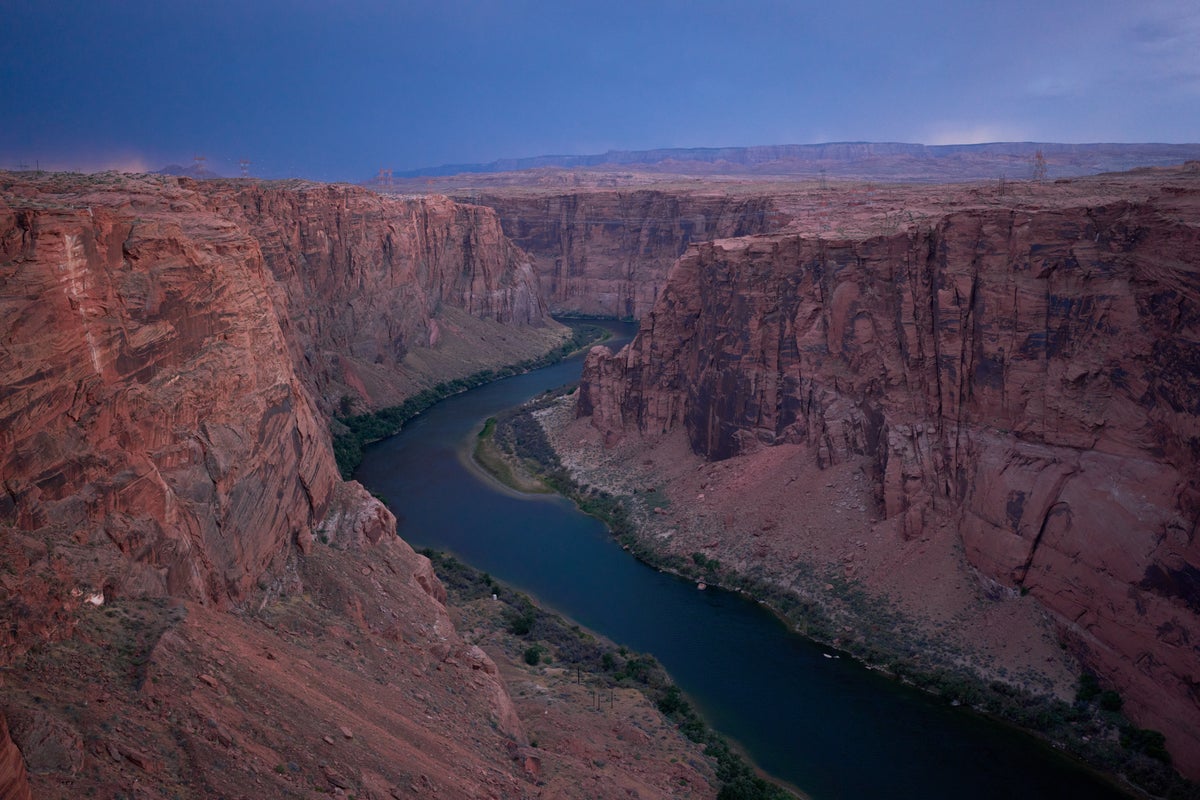
When you look at the Colorado River today, you aren't just looking at a winding channel of mud and shrinking pools. You are looking at the invisible plumbing line for seven U.S. states, two Mexican states, and roughly thirty Native American tribes. For decades, politicians treated this water supply like an endless buffet. It was never endless. Now, the bill has arrived, and nobody likes the price.
Let's talk about what's actually happening on the ground. Lake Mead and Lake Powell, the twin savings accounts of the American Southwest, have spent years hitting terrifying historic lows. Snowpacks in the Rocky Mountains—the natural frozen reservoir that feeds the system every spring—are becoming less reliable by the decade.
If you live east of the Mississippi, this might sound like a distant regional problem. It isn't. Your salad bowl depends on this water.
The Yuma Reality Check
Take a drive down to Yuma, Arizona, during the winter months. You won't just see desert. You will see an agricultural powerhouse that produces up to ninety percent of the leafy greens consumed across North America. Lettuce, broccoli, spinach—it all traces back to irrigation canals pulled straight from the Colorado River.
Farmers like John Boelts, who grow crops under punishing desert suns, live in a state of chronic anxiety. Sure, senior water rights holders have managed to dodge the most catastrophic federal cuts so far. But a temporary reprieve doesn't equal security. How do you invest millions of dollars into planting citrus orchards or date palms that take years to mature when you have zero guarantee the water will keep flowing a decade from now? You don't. You hesitate. You downsize.
That hesitation is creeping through the entire regional economy. Rural towns built around agricultural trade are seeing land values shift, equipment dealers report slowing sales, and younger generations are packing up for cities where water security isn't an existential daily headline.
Why Short-Term Fixes Are Failing
Federal agencies and state governments love signing agreements to keep water in the reservoirs. They tweak allocations, pay farmers to fallow fields for a season, and hope for a massive winter blizzard.
Hope is not a management strategy.
Climatologists map out long-term aridification, pointing out that what we call a "drought" is actually a permanent climate shift. The soil is hotter. Evaporation rates are higher. Even when winter storms drop decent snow, the thirsty ground drinks up the meltwater before it ever reaches the major streams.
Water districts are trying to adapt. Cities like Las Vegas and Phoenix have aggressively recycled wastewater and ripped out decorative grass. They deserve credit for conservation wins. But municipal savings alone cannot offset the massive volume consumed by agriculture, which accounts for roughly seventy percent of total river use.
The Hard Choices Ahead
We are staring down a structural deficit. The math is brutal. More water flows out of the system each year than nature puts back in.
So what happens next?
- Mandatory cuts will expand. Senior water rights will not protect everyone forever. When the reservoirs drop past critical thresholds, emergency federal mandates override local legal compacts.
- Crop patterns must change. Growing water-intensive feed corn and alfalfa in the middle of the Mojave or Sonoran deserts makes less economic sense every single year. Expect painful shifts toward lower-water crops or dryland farming methods.
- Property markets will reprice risk. Buyers are finally starting to ask home and business sellers about water rights before closing deals in parts of Arizona, Nevada, and California.
Ignore the marketing spin from regional planners who claim everything is under control. It isn't. The Colorado River basin is entering a radically different era, and communities that refuse to face that reality will find themselves high and dry.
Audit your own supply chain exposure if your business relies on Western agriculture. Plan for higher produce costs, tighter local restrictions, and a future where every single gallon gets counted.