Natural disasters test governments. Economic shocks break them. When a 7.4-magnitude earthquake tore through western Colombia, it didn't just shatter thousands of homes and kill nearly 300 people. It collided head-on with a brutal new financial reality.
Newly inaugurated Colombian President Abelardo de la Espriella found himself facing an immediate trial by fire. Barely days after taking office, he had to pivot from political victory celebrations to managing a massive humanitarian catastrophe. The epicenter struck regions like Chocó, leaving cities like Cali, Pereira, and Quibdó grappling with catastrophic infrastructure loss. Nearly 15,000 homes were destroyed, and tens of thousands of structures sustained severe damage.
To make matters worse, local businesses were already bleeding cash. Why? Because U.S. tariffs on Colombian products had just spiked from 10% to 12.5% in late July under Section 301 of the Trade Act of 1974.
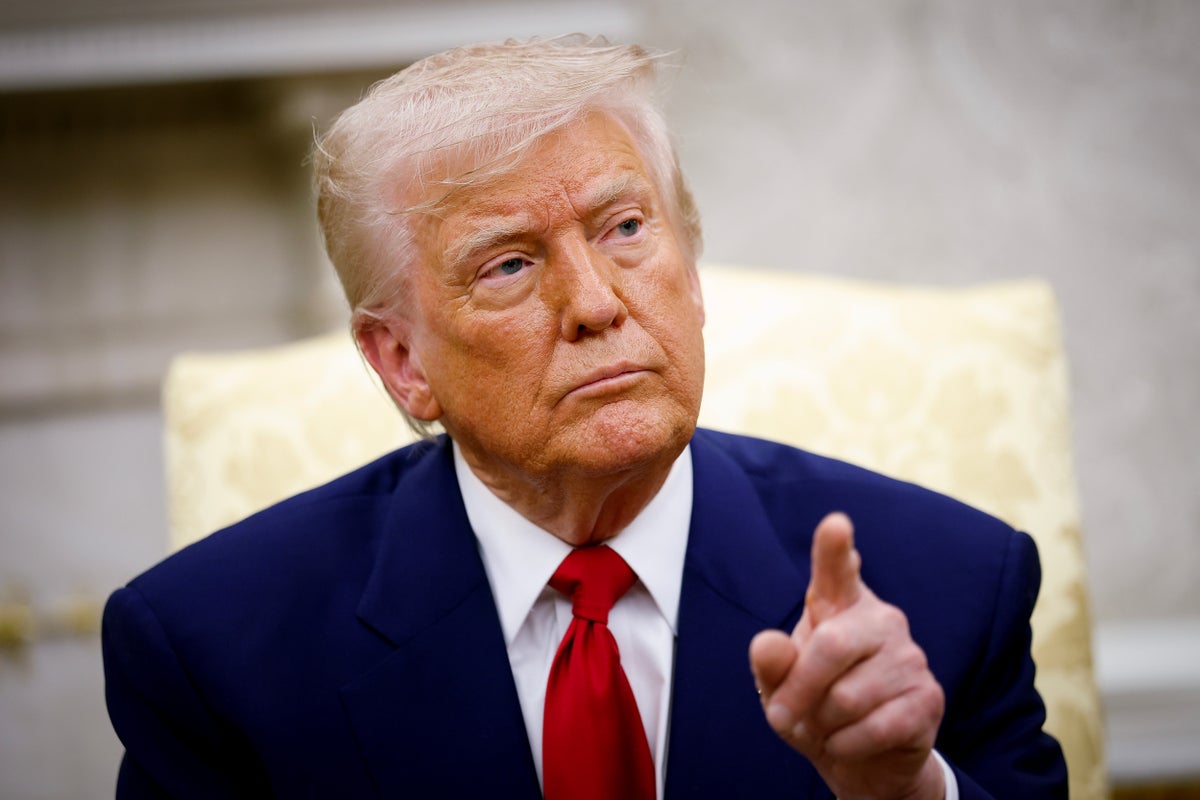
De la Espriella made a direct phone call to U.S. President Donald Trump to ask for a temporary suspension of those steep trade levies. It’s a high-stakes diplomatic gamble. Does Washington have room for mercy when protectionist trade policy meets human tragedy?
The Politics of a Phone Call
Diplomacy often runs on personal relationships. De la Espriella knows this better than most. Trump had backed the conservative lawyer-turned-politician during Colombia's tense runoff election. Capitalizing on that alignment, the newly minted president used a ten-minute phone conversation with the U.S. leader to press his case.
Trump expressed his condolences for the mounting death toll and offered solidarity with grieving families. The U.S. State Department also rolled out an initial aid package totaling $26.5 million, targeting critical needs like food, emergency shelter, and health supplies.
Aid is good. Trade relief is better. De la Espriella argued that keeping a 12.5% tariff active on struggling Colombian businesses during an apocalyptic economic recovery phase defeats the purpose of sending humanitarian assistance with one hand while taking revenue away with the other.
Decoding the Tariff Burden
Tariffs are rarely abstract numbers on a spreadsheet. On the ground, they dictate whether small and medium enterprises survive a crisis.
The U.S. administration enacted these global duties under Section 301, targeting roughly 60 nations over allegations of failing to curb forced labor. While key exports like oil and coffee retained exemptions, countless other Colombian manufacturing and agricultural goods face the full weight of the 12.5% levy.
When an earthquake destroys regional supply chains, factories lose power, and workers are displaced, profit margins evaporate instantly. Business owners in Pereira and Cali aren't just trying to pay standard overhead right now. They're trying to clear rubble, locate missing employees, and keep doors open. Adding a heavy export tax into that mix creates an impossible financial squeeze.
De la Espriella labeled the domestic economic situation he inherited as extraordinarily harsh. Adding a natural disaster of this magnitude to an already tight fiscal budget creates a worst-case scenario for national solvency.
The Race Against Time on the Ground
While politicians negotiate in Bogotá and Washington, rescue workers are fighting the clock in western Colombia.
More than 120 hours passed after the initial tremor shook the region, yet local leaders insisted that hope remained alive. Cali Mayor Alejandro Eder echoed a sentiment shared by many emergency crews at the unified command posts: miracles happen, and search teams refuse to quit until every missing person is accounted for.
Yet the scale of the destruction is staggering. With nearly 4,000 people injured and thousands of families displaced into makeshift camps, the immediate burden on municipal governments is overwhelming. They need cash flow, and they need open markets.
What Happens Next for U.S.-Colombia Trade
As of now, the White House has remained tight-lipped, offering no immediate public commitment to suspend the Section 301 tariffs.
Trump’s trade policy has always prioritized domestic protectionism above almost everything else. Granting an exemption to Colombia—even under emergency earthquake conditions—sets a precedent that other targeted nations might instantly exploit. Trade hawks inside Washington are notoriously reluctant to punch holes in sweeping tariff frameworks once they go live.
At the same time, turning a blind eye to an allied government gasping for economic air carries its own diplomatic cost. De la Espriella staked part of his political brand on his ability to parlay personal rapport with Washington into tangible national benefits.
If the tariffs stay, Colombian exporters absorb the blow, recovery slows down, and the newly elected administration takes a brutal early hit. If the tariffs pause, it proves that targeted diplomacy can still bend rigid trade walls when human lives hang in the balance.
Watch how the White House handles the next diplomatic dispatch. The answer will reveal whether strategic alliances still carry weight when protectionist walls go up.