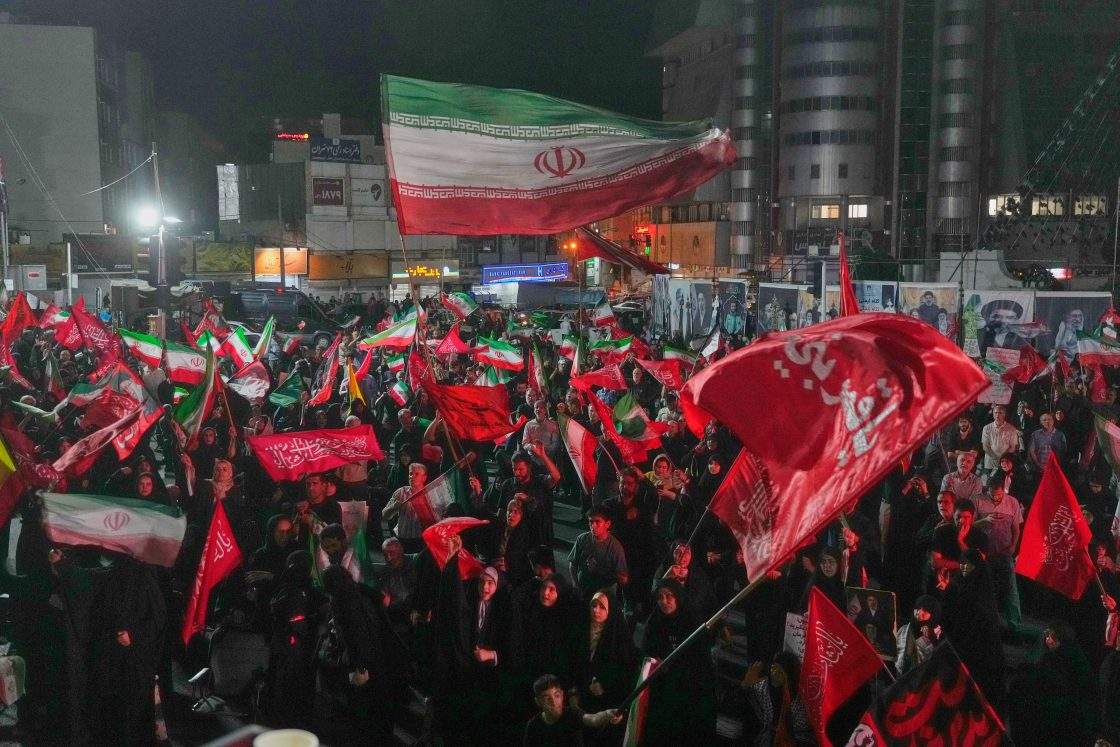
A brief diplomatic lull in the Middle East has completely shattered, leaving the region in its most volatile state all year. After a temporary ceasefire brokered in April fell apart, the conflict between the United States and Iran expanded back into open military confrontation.
Night after night, air raid sirens echo from Tehran to the port of Aqaba. The military exchanges aren't just localized skirmishes anymore. They directly threaten the international energy supply and global trade routes that keep everyday economies running.
If you're trying to figure out why your gas prices are creeping up or why global market indexes are swinging wildly, the answers lie right along the coastlines of the Persian Gulf and the Red Sea.
What Triggered the Latest Round of Strikes
The fragile peace agreement brokered by Pakistan in April didn't hold. Washington launched an 11th consecutive night of airstrikes across Iranian territory, targeting aircraft hangars, coastal surveillance systems, and drone storage locations. Explosions rocked major provinces including Bushehr, Hormozgan, Khuzestan, and outskirts near Tehran.
Iran didn't take those hits sitting down.
The Islamic Revolutionary Guard Corps fired back with salvoes of ballistic missiles and attack drones. Instead of striking only US bases directly, Iranian forces widened their target field. Missiles flew toward Jordan's port city of Aqaba, right next door to Israel's southern border. Four of those missiles were intercepted by Jordanian air defense systems, while others landed in open desert terrain.
Sirens also went off in Bahrain, and authorities in Saudi Arabia had to issue shelter-in-place warnings for residents in Dammam before clearing the threat hours later. Iran's strategy seems clear enough: make every regional nation hosting US military logistics feel the burn until Washington backs off.
The Strait of Hormuz Bottleneck Is the Real Danger
Military installations take a heavy beating in war, but the economic chokepoint is where normal people around the world feel the actual damage.
The Strait of Hormuz is the tiny strip of water at the mouth of the Persian Gulf. In peaceful times, about a fifth of the world's petroleum and liquid natural gas passes through it every single day. Right now, commercial transit through that strip has ground to a near-total standstill.
Iranian forces targeted commercial tankers trying to squeeze through, effectively enforcing a local shutdown. In response, the US Navy attempted a counter-blockade against Iranian ports. The result is total gridlock.
When tankers don't move, crude oil sits in storage tanks. Shipping companies refuse to send multi-million dollar container ships into waters where anti-ship missiles are flying. Insurance premiums for vessels navigating anywhere near the Arabian Sea have skyrocketed, and those costs get passed straight onto consumers at the pump and retail counters worldwide.
To make matters worse, Iranian-backed Houthi forces in Yemen have re-entered the picture, threatening Saudi oil tankers navigating through the Red Sea. That leaves maritime transport squeezed from both directions.
Why Diplomacy Has Ground to a Halt
Back in the spring, mediator teams in Islamabad were making slow progress toward a structured deal. That momentum is gone now.
When asked about potential diplomatic meetings, US President Donald Trump stated from the Oval Office that the administration had "no interest in meeting" right now. He further signaled that future strikes could target facilities closely linked to Iran's uranium enrichment programs.
Iranian Interior Minister Eskandar Momeni traveled to Pakistan to try to jump-start talks, but hardliners in Tehran remain steadfast. With the Supreme Leader succession unresolved following initial spring strikes, Iran's security apparatus views any sign of backing down as total defeat.
Both sides are locked in a game of chicken where neither leadership group can afford to blink first without losing internal political leverage.
How to Prepare for the Economic Fallout
You can't stop military strikes in the Persian Gulf, but you can buffer your personal budget against the financial waves hitting store shelves and fuel stations.
- Lock in fixed energy rates where possible. If your local utility provider offers fixed-rate plans for electricity or natural gas, sign up now before summer and autumn rate spikes kick in.
- Adjust commute patterns early. Fuel costs always react first to Persian Gulf supply disruptions. Carpooling, public transport, or working remotely a couple of extra days a week saves real cash when gas prices spike.
- Review your investment exposure. Portfolios heavily weighted in unhedged transport, airline, or retail stocks often take direct hits during energy crises. Consider speaking with a financial advisor about diversifying into broader defense or energy production sectors.
- Watch inflation data closely. Supply chain delays at sea take three to six weeks to reflect in consumer price indexes. Don't assume today's shelf prices will remain stable next month.
The reality on the ground is simple: as long as missiles are flying over the Strait of Hormuz, global economic stability remains on thin ice.