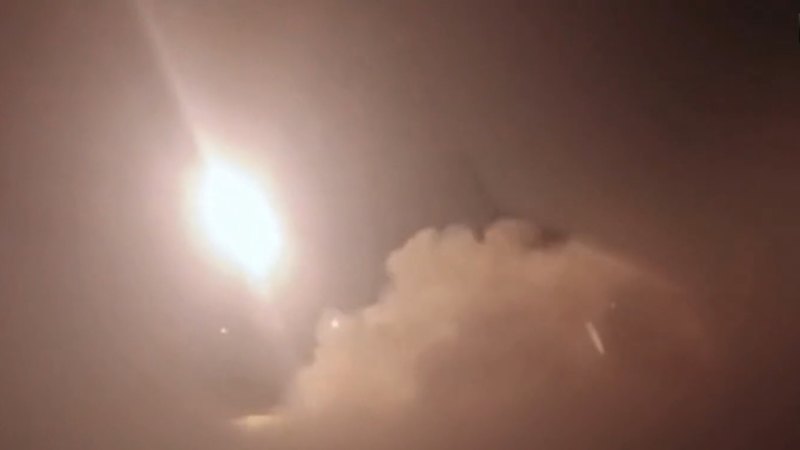
The illusion of a quiet Middle East just shattered completely. When Iranian ballistic missiles and drone swarms tore through the defenses at Muwaffaq Salti Air Base in Jordan, they didn't just wreck military hardware. They killed two American service members, left another missing, and effectively dragged the United States back into an unrestricted war that Washington has desperately tried to contain.
These are the first American combat deaths from direct Iranian fire since the initial days of this war. The fragile interim peace deal signed just a month ago is dead. If you thought the conflict was confined to minor maritime skirmishes, think again. The regional escalation everyone feared is happening right now, and the target list has shifted from military outposts to the basic infrastructure keeping tens of millions of people alive. You might also find this similar story insightful: Why Pakistan Army Operations Against Militants In Balochistan Matter Right Now.
The Strategy Behind Direct Targeting
For months, the US and Iran played a dangerous game of tag around the Strait of Hormuz. But targeting an air base deep inside Jordan changes the math entirely. The Islamic Revolutionary Guard Corps (IRGC) isn't hiding behind proxies anymore. They claimed direct responsibility for this coordinated salvo, which also hit assets in Bahrain and a fuel pier in Kuwait.
Jordanian air defenses managed to intercept ten ballistic missiles, but the sheer volume of the attack ensured that some broke through. By hitting Muwaffaq Salti Air Base—a massive hub for US Air Force operations in the region—Tehran sent a clear message. They're willing to absorb direct American strikes if it means proving that no US base in the region is safe. As reported in recent articles by NPR, the effects are notable.
Secretary of Defense Pete Hegseth stated that the sacrifice of the fallen troops "only stiffens our resolve," but resolve doesn't automatically fix a broken deterrence strategy. The US death toll for this conflict has now reached 16, with over 430 wounded since the war started on February 28.
The War on Water and Power
What makes this phase of the war terrifying isn't just the military casualties. It's the deliberate targeting of civilian infrastructure. Both sides have taken off the gloves, and the economic fallout is stretching far beyond fuel prices.
In Kuwait, Iranian strikes heavily damaged a critical power and water desalination plant. For a desert nation that relies on desalination for 90% of its drinking water, this is a direct existential threat. The strikes forced several power generation units offline and injured emergency workers battling the blazes.
Meanwhile, US Central Command launched its eighth consecutive night of retaliatory bombings inside Iran, hitting military logistics, underground weapons storage, and maritime capabilities. But the damage went further. Iranian state media reported that US strikes destroyed the Bonji desalination plant in southern Hormozgan province, cutting off drinking water to roughly 10,000 people. Additional strikes smashed key transport infrastructure, including three bridges on the vital highway leading to Bandar Abbas, Iran's primary shipping port.
The Rhetoric from Tehran
Don't expect diplomatic channels to rescue this situation anytime soon. Iran’s Supreme Leader, Mojtaba Khamenei, issued a harsh statement via state television, warning Washington to expect "unforgettable lessons."
Tehran’s political apparatus backed up the fiery rhetoric with concrete action. Deputy Foreign Minister Kazem Gharibabadi announced that Iran is officially suspending all commitments under the recent interim agreement, claiming the US violated the terms first. Iranian officials also claimed that US strikes have killed at least 50 people and injured over 500 inside Iran over the past three weeks alone.
The political reality is that President Donald Trump's declaration that the ceasefire is over has met an equally uncompromising stance from Iran’s new leadership. The IRGC has openly warned every nation hosting American forces to prepare for corresponding retaliatory strikes.
What Happens Next
The conflict is no longer a localized border dispute or a battle over shipping lanes. It has evolved into a war of attrition aimed at critical infrastructure and regional logistics. Here is what to watch for as the situation develops over the coming days.
- Shipping Bottlenecks: Expect commercial traffic through the Strait of Hormuz to slow to a crawl, driving global grocery and energy prices significantly higher.
- Host Nation Dilemmas: Countries like Jordan, Kuwait, and Bahrain face massive pressure as their infrastructure becomes fair game for Iranian retaliation.
- US Domestic Response: Watch for the Pentagon to announce rapid deployments of advanced air defense systems and additional fighter squadrons to shore up vulnerable regional bases.
The diplomatic off-ramps are gone, and both Washington and Tehran are fully committed to escalation.