Global politics rarely stays confined to overseas battlefields. Sometimes, the explosive fallout lands right on the streets of New York City.
When Israeli Prime Minister Benjamin Netanyahu stepped up to the podium at the 81st United Nations General Assembly, he didn't just target foreign critics. He zeroed in on New York City's leadership, directly attacking Mayor-elect Zohran Mamdani. Netanyahu claimed that Jewish residents no longer felt safe in the city under Mamdani's watch, pointing to past associations and social media activity.
It was a striking moment. A sitting foreign head of state used the world stage to single out a local American official by name.
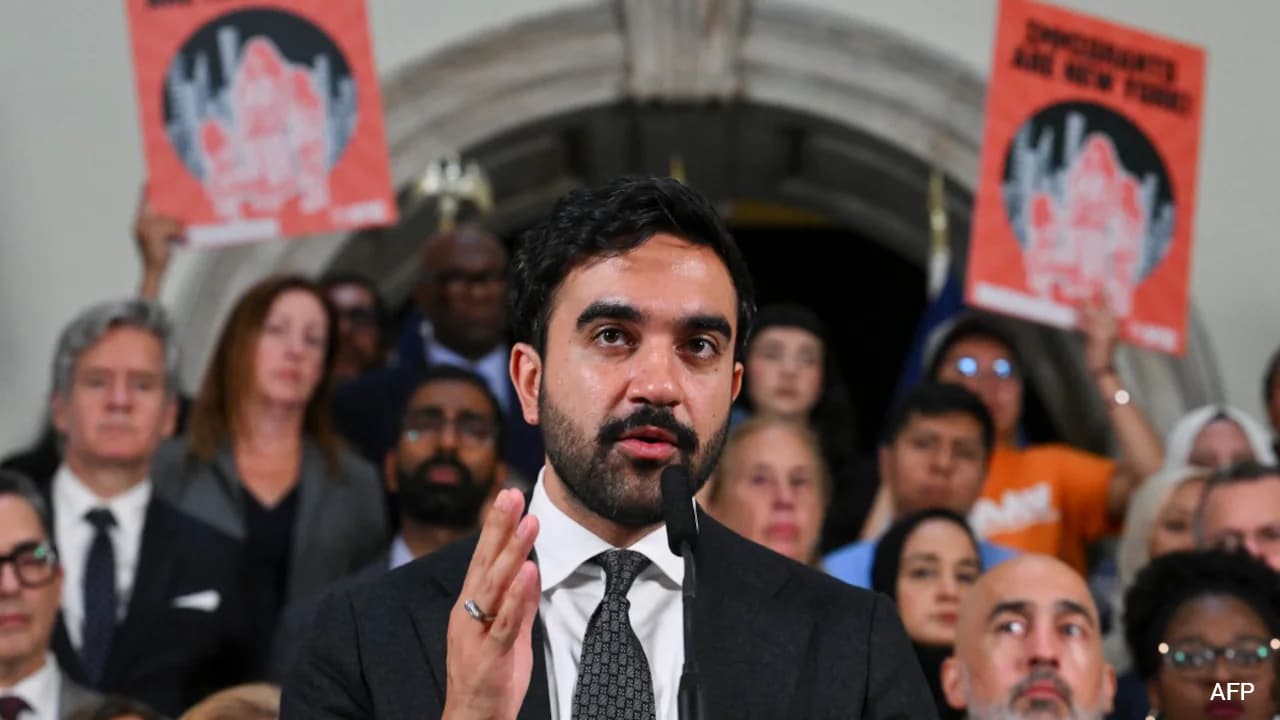
Mamdani didn't stay quiet. He fired back immediately, calling Netanyahu's speech an effort to spin blatant lies to sanitize what he termed a genocide against Palestinians. He also reminded the public about the International Criminal Court arrest warrant hanging over the Israeli leader's head for alleged war crimes.
This public feud highlights a much deeper fracture in modern diplomacy. Local politics and international conflicts are colliding in real-time, leaving ordinary citizens caught in the middle of heated rhetoric.
What Triggered The UN Showdown
To understand why Netanyahu called out Mamdani at the UN, you have to look at the escalating tensions between City Hall and international policy.
Before the UNGA address, Mamdani had publicly demanded that federal authorities execute the ICC arrest warrant if Netanyahu set foot in the United States. He declared the Israeli leader unwelcome in New York City. That set off a massive diplomatic and security headache.
During his UN address, Netanyahu struck back hard. He accused Mamdani of looking the other way on antisemitism and pointed to specific controversies.
"Mr. Mamdani, since you were elected mayor of this city, many Jews no longer feel safe in New York," Netanyahu stated during his speech. He pointed to alleged associations with controversial commentators and pointed fingers at online activity linked to Mamdani's inner circle.
Netanyahu also defended his military strategy directly, rejecting accusations of war crimes. "Israel didn't commit genocide; Israel prevented genocide," he insisted to the assembly.
The Response From City Hall
Mamdani's team didn't waste any time crafting a rebuttal. The response framed Netanyahu's UN appearance as a desperate PR stunt by an official trying to dodge accountability.
"As he has done time and again, Prime Minister Netanyahu used his speech to repeat baseless lies meant to sanitise his genocide of Palestinians," Mamdani's official statement read. "Yet no lie can change the fact that he remains the subject of an International Criminal Court arrest warrant alleging war crimes and crimes against humanity."
By emphasizing the ICC warrant, Mamdani shifted the focus from local personality clashes back to international law. He is trying to force a conversation about legal accountability, drawing a hard line that separates political defense from war crimes prosecution.
This rhetorical battle line leaves little room for middle ground. Supporters of Netanyahu view Mamdani's stance as a direct threat to the safety of Jewish New Yorkers, arguing that fiery rhetoric from city leadership fans the flames of antisemitism. On the other side, Mamdani's supporters view his pushback as a necessary moral stand against human rights violations.
Why This Conflict Changes Local Politics
We are watching a shift where municipal leaders no longer stick strictly to potholes, sanitation, and local zoning laws. Global crises now dictate local election cycles.
When a mayor-elect takes a hard line on foreign policy, local governance becomes an extension of international activism. This brings steep costs. Local communities experience heightened tensions. Neighborhood groups divide over international events thousands of miles away. Police departments face mounting pressure to protect diverse communities while maintaining public order during frequent protests.
If you live in a major global city like New York, you feel these shockwaves instantly. Subway stations turn into flashpoints for demonstrations. Community centers grapple with rising security concerns. Dialogue breaks down because every local policy debate quickly gets tied to global allegiances.
Pay close attention to how federal institutions handle these local-international standoffs moving forward. The friction between municipal defiance and foreign diplomacy is only going to intensify.