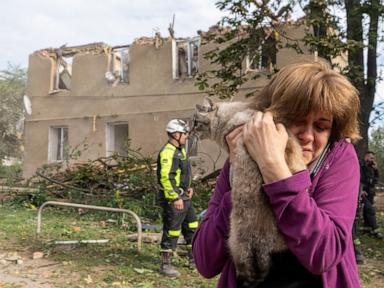
A quiet home in northeastern Ukraine doesn't look like a battlefield, but it became one overnight. A Russian drone tore through a residential house in the city of Sumy, wiping out three generations of a single family. A 36-year-old man, his 13-year-old son, and the 73-year-old mother of his partner died under the rubble. The man's partner and their 10-year-old son survived, but they're now hospitalized with injuries and a completely destroyed life.
This isn't an isolated tragedy. It's part of a brutal, shifting pattern. Over four years into this war, civilian casualties aren't dropping. They're spiking. According to data from the United Nations Human Rights Monitoring Mission in Ukraine, monthly civilian casualties just hit their highest level since April 2022.
If you think the danger is confined to the muddy trenches of the front lines, you're mistaken. The deadliest strikes are happening miles away from active combat, hitting ordinary people in their beds.
The Grim Math of a Non-Military Target
What happened in Sumy highlights a terrifying reality for Ukrainian families. Regional military administration head Oleh Hryhorov confirmed that the overnight strike involved a massive barrage of 88 long-range attack drones and a ballistic missile launched by Russia. Though Ukrainian air defenses successfully intercepted or jammed 79 of those drones, the few that slipped through caused catastrophic damage.
Ukrainian President Volodymyr Zelenskyy noted the absurdity of the destruction online, pointing out that the building was an ordinary home and not a military target whatsoever. Hours later, another drone strike hit the southeastern city of Zaporizhzhia, killing a woman and wounding three others, including an 11-year-old boy.
The UN reports that at least 274 civilians were killed and 1,763 injured in May alone. The total civilian death toll has now climbed past 16,000 since the full-scale invasion began. Why are these numbers surging right now? It's simple. Moscow's forces are struggling to gain momentum on the physical battlefield, so they're compensating by accelerating their aerial campaign against cities.
The Drone War Hits Both Sides of the Border
While Ukraine shields its cities from incoming fire, Kyiv has scaled up its own long-range drone operations. This isn't just symbolic retaliation; it's a systematic effort to choke off the Russian war machine by targeting oil facilities, military transport hubs, and manufacturing infrastructure.
The scale of the Ukrainian counter-aerial campaign is massive. The Russian Defense Ministry claimed it intercepted 301 Ukrainian drones overnight across several Russian regions, the Black Sea, and occupied Crimea. Moscow Mayor Sergei Sobyanin reported that 84 drones targeting the capital were shot down, forcing all four of Moscow's major airports to temporarily halt flights.
But the most significant blow happened in the southwestern Russian city of Voronezh. Ukraine's General Staff confirmed they used high-precision, air-launched cruise missiles to strike an industrial plant. It wasn't a random target. The facility manufactures vital electronic components used in Russian missile and air defense systems.
The Fallout on Regular Life
The economic and psychological ripples of this intensified drone war are shifting daily life for millions.
- Crimea's Economic Lockdown: Because of successful Ukrainian strikes on fuel depots, Russian-controlled Crimea had to halt civilian gasoline sales.
- Cancelled Summers: Security fears run so high that all summer camps in occupied Crimea stopped accepting children or taking new bookings.
- Border Evacuations: Falling drone debris and active air defenses forced local authorities to evacuate residential buildings in Russia's Vladimir and Tula regions.
International diplomatic efforts haven't stopped the bloodshed. Millions of families across Ukraine face the same daily roll of the dice. If you want to support relief efforts for families affected by these strikes, you can vet and donate to boots-on-the-ground organizations like United24 or the Ukrainian Red Cross.


