You don't usually associate the Pearl River Delta with luxury yachting. For decades, the narrative around Chinese wealth and maritime leisure pointed outward. Owners shipped their vessels to Singapore, Europe, or the Mediterranean just to find proper maintenance and legal clarity. But the ground shifted when Beijing rolled out the Guangdong-Hong Kong-Macau individual yacht scheme.
Suddenly, a massive economic powerhouse with over 88 million residents and an economic output topping 15 trillion yuan has the legislative tools to build a domestic marine playground. Industry veterans and regional associations point to this exact policy breakthrough as the catalyst transforming local waters. If you look past the bureaucratic friction, the Greater Bay Area possesses every single ingredient required to rival traditional global yachting capitals. Recently making news lately: Why Quebec Lettuce Growers Are Paying The Price For An American Outbreak.
Breaking Down the New Policy Framework
For years, taking a yacht from Hong Kong to mainland ports felt like navigating a minefield of red tape. You needed heavy customs guarantees, endless paperwork, and separate registrations that cost a fortune in time and legal fees.
The pilot rules changed the game by introducing a dual-registration mechanism and waiving burdensome customs bonds for vessels crossing into nine mainland cities, including Guangzhou, Shenzhen, and Zhuhai. Vessels can now obtain temporary mainland operating certificates while retaining their original home port registration. More insights into this topic are detailed by CNBC.
Within weeks of launch, dozens of Hong Kong and Macau yachts secured temporary paperwork to explore mainland waters. Veteran sailors like 79-year-old Thomas Wong sailed their boats straight from Causeway Bay to islands in Zhuhai for weekend seafood trips. That kind of cross-border mobility was practically unheard of a few years ago.
The Infrastructure Bottleneck That Needs Fixing
Policy changes are great, but concrete and deep water matter more. Right now, Hong Kong faces a severe shortage of marina berths. Demand for high-end mooring space vastly outstrips supply, pushing up costs and forcing boat owners to park their prized assets elsewhere.
To capture the financial upside of a booming yacht economy, local governments must accelerate infrastructure expansion. Plans are underway to deliver roughly 600 new berths across locations like the former Lamma Quarry and Aberdeen Typhoon Shelter. Yet, building physical berths takes time, and boat owners aren't known for being patient.
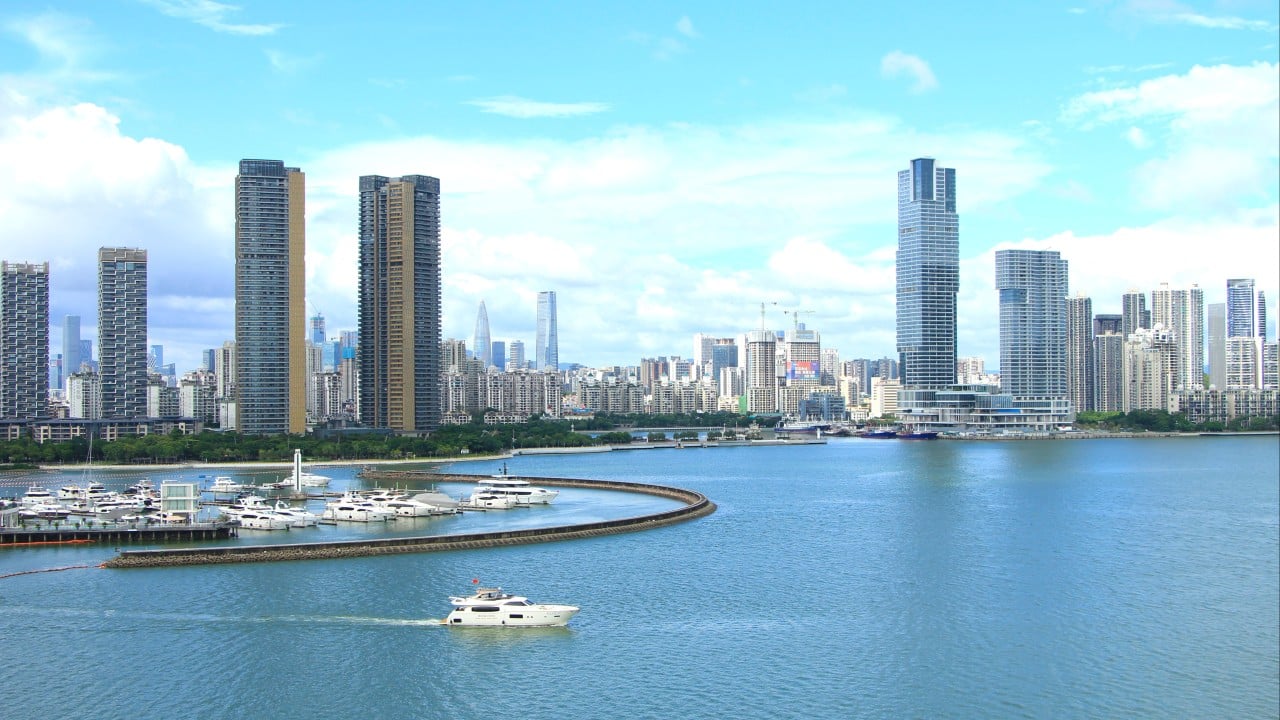
On the mainland side, world-class marinas like Nansha and Longcheer prove the region can build state-of-the-art facilities. The real challenge moving forward is balancing this growth with streamlined cross-border customs clearance that operates smoothly in both directions, rather than just acting as a one-way street for northbound tourists.
High-End Services Are Where the Real Money Lives
Building boats and renting slips is only half the battle. The real economic engine lies in high-end maritime services—things like yacht design, specialized financing, insurance, legal structuring, and heavy maintenance.
Hong Kong holds a distinct advantage here because of its established legal and financial ecosystem. If the city integrates its professional services with mainland manufacturing hubs like Zhuhai and Shenzhen, the region captures the entire value chain. Zhuhai is already carving out a reputation as a rapid, cost-effective maintenance and refit center, keeping capital inside the regional economy instead of leaking overseas.
Billionaire-backed ventures like Richard Liu's Sea Expandary are also stepping into the market with multi-billion-yuan commitments to make ownership more accessible. When heavyweights inject capital into mass-market accessibility alongside ultra-luxury builds, the entire supply chain matures faster.
What Needs to Happen Next
If you want to capitalize on this emerging maritime market, stop treating yachting as a mere toy for the ultra-rich and start treating it as industrial infrastructure.
Stakeholders need to pressure authorities to finalize southbound travel provisions so mainland-registered boats can visit Hong Kong just as easily. Developers must prioritize mixed-use waterfront properties that combine public access with commercial marina spaces, mirroring successful global waterfronts like Sydney Harbour.
The tools are finally on the table. How fast the region uses them will determine if this vision becomes a multi-billion-dollar reality or just another missed wave.
Zhuhai Anchors as Top Yacht Hub for Hong Kong & Macau
This video provides a direct look at how neighboring cities like Zhuhai are establishing themselves as prime maintenance and destination hubs for regional boat owners within the Greater Bay Area.
http://googleusercontent.com/youtube_content/1