Rural populations are aging fast, and traditional farming cannot keep up with the physical demands of modern crop production. That hard truth is driving an unprecedented shift toward automation. Across Chinese farmlands, autonomous aerial devices have transformed from experimental gadgets into essential heavy-duty machinery. Now, this massive domestic wave is spilling past borders, targeting emerging markets where smallholder farmers face identical labor shortages and rising operational costs.
If you think agricultural automation is just about wealthy nations buying expensive tractors, you are missing the entire picture. The real action is happening in the skies above small plots, steep hillsides, and sprawling orchards.
The Push Beyond Borders
China didn't build this multi-billion-yuan industry overnight. Domestic demand spiked because rural communities grayed out, leaving fields short of hands. Manufacturers responded by building tough, reliable aerial workhorses. Companies like DJI Agriculture scaled up their manufacturing lines and built massive global footprints.
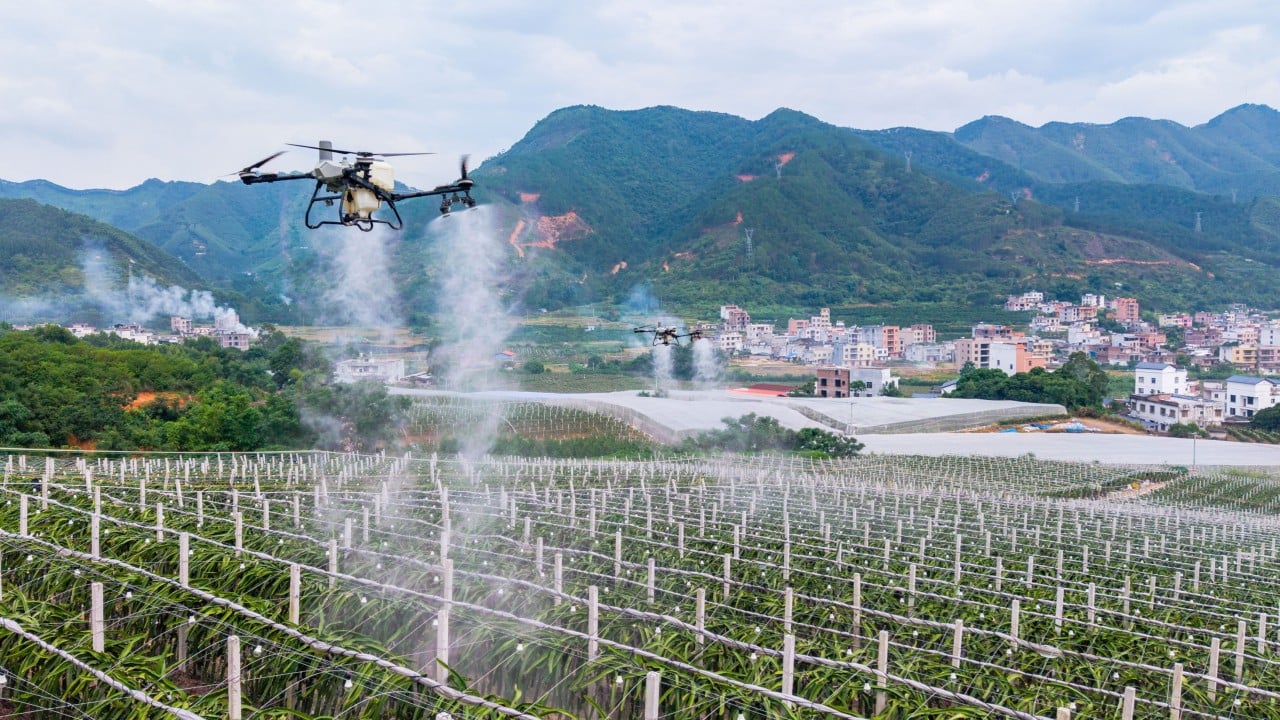
Recent industry data shows that global fleets have crossed major milestones, operating in over 100 countries. These aren't just hobbyist toys modified for rural work. They are heavy-lift systems capable of precise crop protection spraying, seed broadcasting, and field mapping.
Emerging economies in Southeast Asia, Latin America, and parts of Africa are paying close attention. Farmers in these regions deal with fragmented land plots where massive conventional tractors simply cannot fit. Small aerial units offer an affordable shortcut to modernization without requiring millions in heavy infrastructure spending.
Solving Real Field Problems
Let us look at what these machines actually do on a Tuesday morning. Traditional crop dusting involves heavy backpack tanks or expensive manned aircraft that waste massive amounts of liquid chemicals. Autonomous flying sprayers use downward airflow from rotor blades to push micro-droplets directly onto the underside of plant leaves.
According to joint industry reports and agricultural white papers, cumulative operations have saved hundreds of millions of metric tons of water while slashing chemical run-off. That efficiency appeals directly to commercial growers trying to protect profit margins against erratic weather and volatile fertilizer prices.
Beyond spraying, operators use these systems for mountain transport. Imagine trying to harvest oranges on a steep Chinese hillside or coffee beans on a rugged tropical slope. Instead of manual labor or building costly cable cars, modified quadcopters haul crates weighing dozens of kilograms down the mountain in minutes.
The Training and Infrastructure Bottleneck
Selling hardware to international buyers sounds simple, but exporting an entire ecosystem is messy. You cannot just drop a high-tech spraying unit into a remote village and walk away.
Successful deployment depends entirely on local support networks. This means setting up thousands of specialized maintenance centers, training local pilots, and certifying safety instructors. Countries wanting to adopt these tools must update aviation regulations to handle low-altitude agricultural flights without compromising commercial airspace.
Safety remains a massive hurdle. Operator error, battery degradation in extreme heat, and unexpected wind shear can turn expensive equipment into scrap metal. Companies leading this export wave invest heavily in localized training academies, ensuring foreign buyers master flight planning and emergency override protocols before touching the controls.
What This Means for Global Food Security
Food production margins are shrinking everywhere. When labor costs spike and younger generations abandon rural towns for city office jobs, food output drops unless technology steps in. Automated aerial tools bridge that gap.
By making precision agriculture accessible to ordinary smallholders rather than just mega-corporations, these systems help stabilize yields in vulnerable regions. Nations looking to protect their domestic food supply against climate shocks are realizing that ignoring rural automation is no longer an option.
Start small if you are looking at agricultural tech investments. Focus on service partnerships rather than direct hardware sales, because keeping machines flying in remote areas is where the real value lies.
The low-altitude farming revolution is already here, and it is reshaping how the world grows its food.
US FARMS COLLAPSE: China's Farming Drones Will Destroy US Agriculture
This video provides an in-depth look at how Chinese agricultural drones are scaling up and challenging traditional farming practices globally.