We look at global resource charts like they are carved in stone. Official numbers say China sits on roughly 44 million metric tons of rare earth elements, giving it a comfortable lead over countries like Brazil and Vietnam. Geologists who actually study the dirt know better. Recent assessments point to a reality where China's hidden underground treasure trove dwarfs current public estimates.
If you think geopolitical supply chains are tightly mapped, think again. The math behind critical minerals is messy, political, and often outdated.
The Bayan Obo Blind Spot
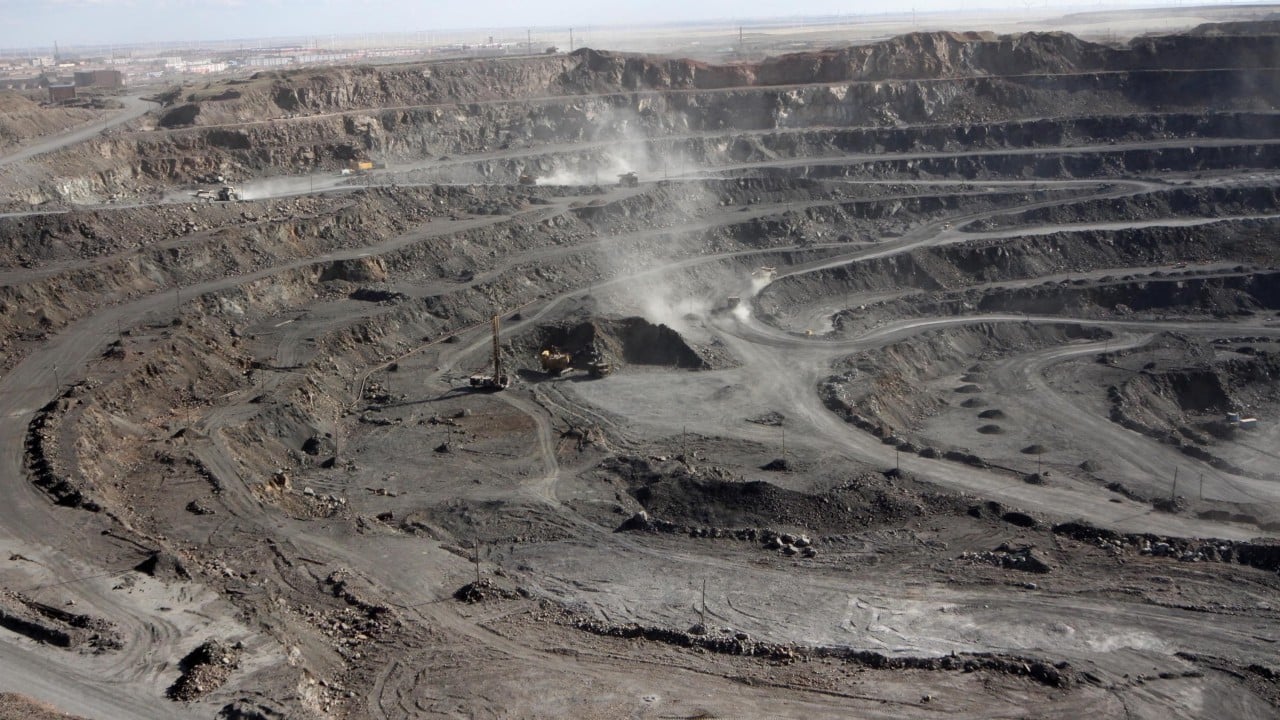
Take the Bayan Obo mine in Inner Mongolia. For decades, this massive deposit has acted as the heartbeat of the global magnet supply chain. Official tallies routinely peg its contents around 100 million tonnes of rare earth reserves.
That sounds massive. It is also likely a severe undercount.
Leading geologists note that exploration techniques used during past decades missed deep-seated and complex ore bodies. When state surveyors calculate national reserves, they rely on strict commercial definitions of what is economically recoverable right now. They don't always account for what sits deeper or what future extraction tech might unlock.
Reserves Versus Economic Reality
There is a massive gulf between a rock containing elements and an open-pit mine spitting out refined oxides. You can find all the neodymium and dysprosium you want underground, but turning it into a usable product requires a grueling chemical breakdown.
China didn't capture over 90 percent of global rare earth processing capacity purely by accident. They spent decades building the dirty, capital-heavy infrastructure required to separate these elements while other nations outsourced the headache.
So, when experts argue that reserves are much larger than reported, they are highlighting a geological truth. The crust holds more. Whether it matters immediately to the global market depends entirely on processing capacity and environmental tolerance. Pulling heavy rare earths out of complex mineral matrices is expensive. It destroys local ecosystems unless stringent controls are maintained, which is why even Beijing constantly struggles to balance quotas with environmental remediation.
What This Means for Global Supply Chains
Western automakers and tech giants spend billions trying to design rare-earth-free electric vehicle motors. They do this because they fear a permanent monopoly.
If China's actual geological baseline is significantly higher than public data suggests, supply exhaustion is off the table. China won't run out of materials anytime soon. Instead, the bottleneck remains entirely political and industrial. Export controls, tighter quota enforcement, and strict environmental fines mean that having the dirt in the ground doesn't mean it flows freely across borders.
Stop treating mineral reserve tables as static inventory lists. They are moving targets influenced by drilling budgets, government secrecy, and shifting definitions of profit. Expect more revisions to these numbers as geological surveying tech improves. If you are building a hardware strategy around the idea that scarce elements will run dry, you are betting on the wrong horse. Look at processing technology instead, because that is where the real power lives.