The United States is currently attempting a high-stakes financial gamble. By launching what the administration calls an "Economic D-Day" against Iran, Washington hopes to starve Tehran of the revenue it needs to sustain its military and regional operations. Yet, there’s a massive, glaring problem: China.
If you want to understand why US sanctions on Iranian oil struggle to bite, don’t look at the tankers themselves. Look at the balance sheets in Beijing. For years, the conventional wisdom held that sanctions would eventually force Iran to the table. That isn't happening. Instead, China has stepped in as the primary buyer of Iranian crude, effectively neutralizing the teeth of American economic policy. Also making news in this space: Why Cincinnati Is Still Fighting Over The Abandoned Terrace Plaza Hotel.
The China Factor in Global Energy
Beijing isn't just buying oil. They’re buying stability for their own independent refineries, often called "teapots." These refiners process a massive slice of China's crude imports and thrive on the discounted, sanctioned barrels Iran provides. For China, this is energy security. It’s a way to keep their costs low and their supply chains shielded from the volatility of the global market.
In May 2026, Beijing took a move that stunned many analysts. They issued a formal prohibition order under their "Blocking Rules," essentially telling their companies that US sanctions on Iranian oil buyers are effectively void within Chinese borders. This wasn't just diplomatic noise. It was a legal wall. By daring Washington to sanction major Chinese financial institutions, Beijing has shifted the battlefield from trade to international law. More details regarding the matter are detailed by Harvard Business Review.
The Price of Pressure
Washington faces an uncomfortable trade-off. To truly squeeze Iran, the US would have to target the big, systemic Chinese banks that facilitate these energy payments. The risk is immediate and severe: retaliation from Beijing. We’re talking about critical minerals, electronics supply chains, and the broader, fragile relationship between the world's two largest economies.
Then there’s the oil price issue. American consumers are sensitive to fuel costs. If the US somehow manages to completely choke off the 10 to 12 percent of global supply currently coming from Iran, global oil prices will spike. We saw a glimpse of this in early 2026 when the Strait of Hormuz was blocked. Prices surged past $120 a barrel. Nobody in the White House wants to repeat that during an election cycle or a fragile economic recovery.
Why Old Sanctions Models Fail
The US keeps trying to play the game by old rules. They add more names to the Specially Designated Nationals list. They tighten maritime monitoring. But Iran has spent decades building a "shadow fleet" and an entire ecosystem of shell companies to move money and oil.
When one financial channel gets blocked, the money just moves to a smaller bank, a different currency, or a barter-like arrangement. Beijing is increasingly helping Iran settle these trades in yuan or via alternative financial networks that bypass the dollar entirely. Every time Washington plugs one hole, Iran and its partners dig another.
The Reality of the 2026 Landscape
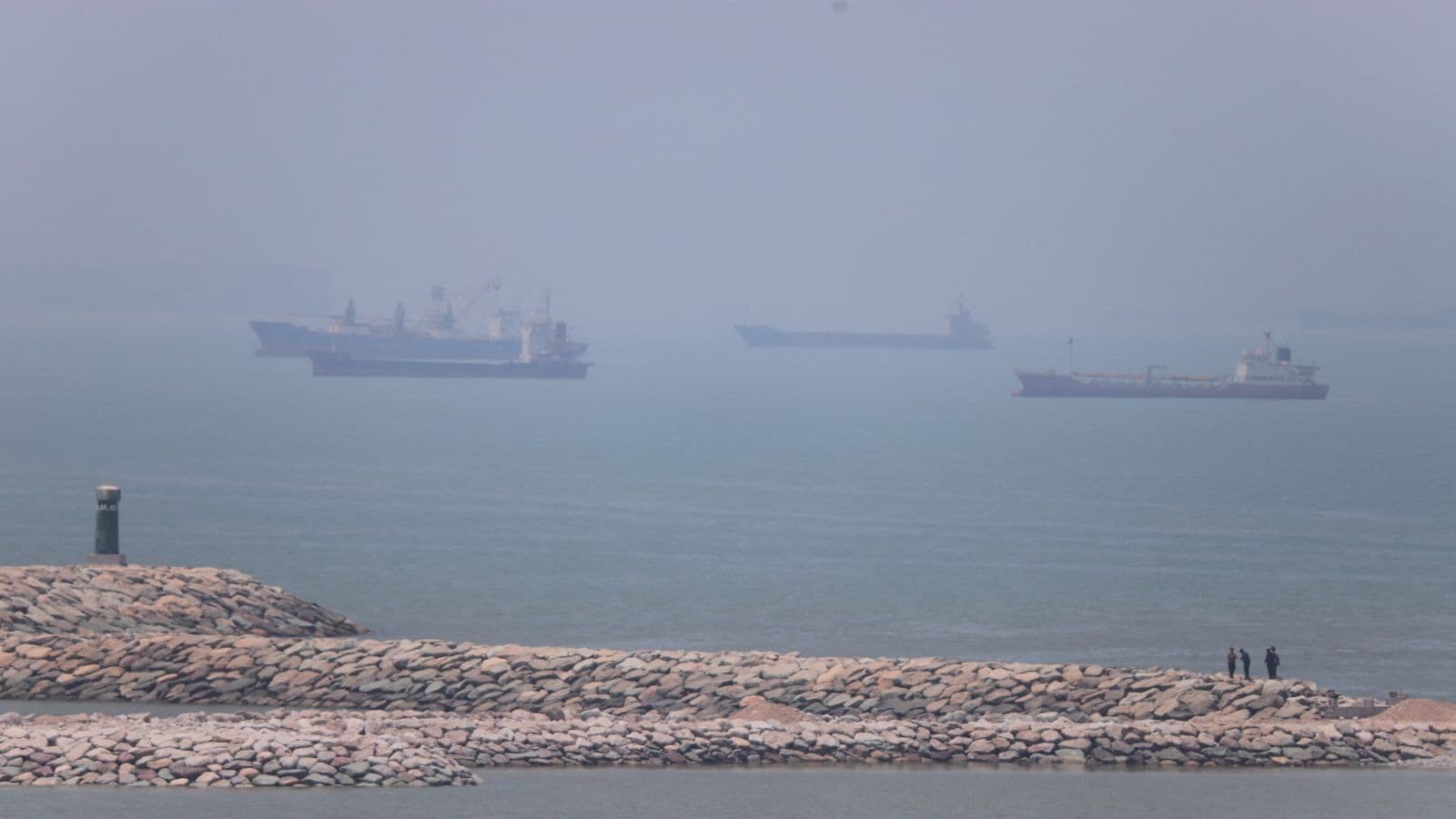
Right now, Iran is still moving significant amounts of oil despite the maritime corridors the US military is trying to secure through the Strait of Hormuz. US officials claim these corridors help, but the oil is still flowing to the East.
If you're tracking this, watch the upcoming high-level meetings between the US and China. Washington’s "Economic D-Day" is an attempt to create a binary choice for Beijing: continue buying Iranian oil and face severe US financial penalties, or pivot toward Western energy markets.
The problem is that China doesn't see it as a binary choice. They see it as a fight for strategic autonomy. As long as China views discounted Iranian oil as a buffer against global market swings, they will continue to provide the economic lifeline Tehran needs.
What Actually Happens Next
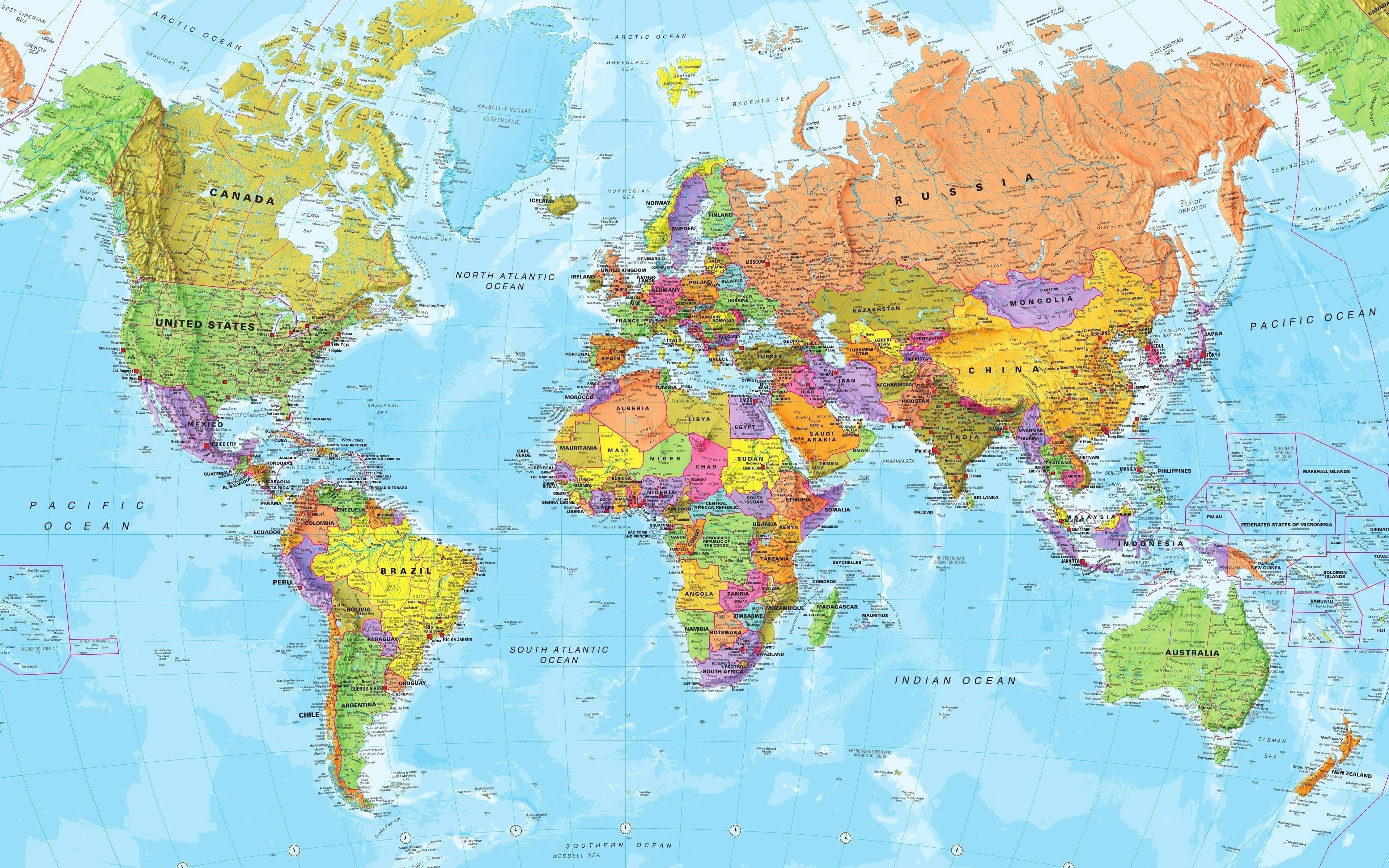
Don't expect a sudden collapse of Iranian oil exports. Instead, expect a more fragmented energy market. We are moving toward a world where the global oil trade is split. One part operates under the traditional US-led, dollar-based system. The other, an increasingly large, opaque network, operates on the fringes, anchored by Chinese demand.
For businesses and investors, the lesson is clear. The era of predictable, globally unified sanctions is over. We are entering a period where domestic law in Beijing and Tehran directly clashes with the enforcement reach of the US Treasury. You need to prepare for more volatility, not less. Compliance isn't just about reading the latest sanctions list anymore. It’s about understanding the deep, messy, and highly politicized reality of how energy moves across a divided map.
Stay alert to the enforcement of those Chinese blocking laws. That is the next real signal of where this is headed.