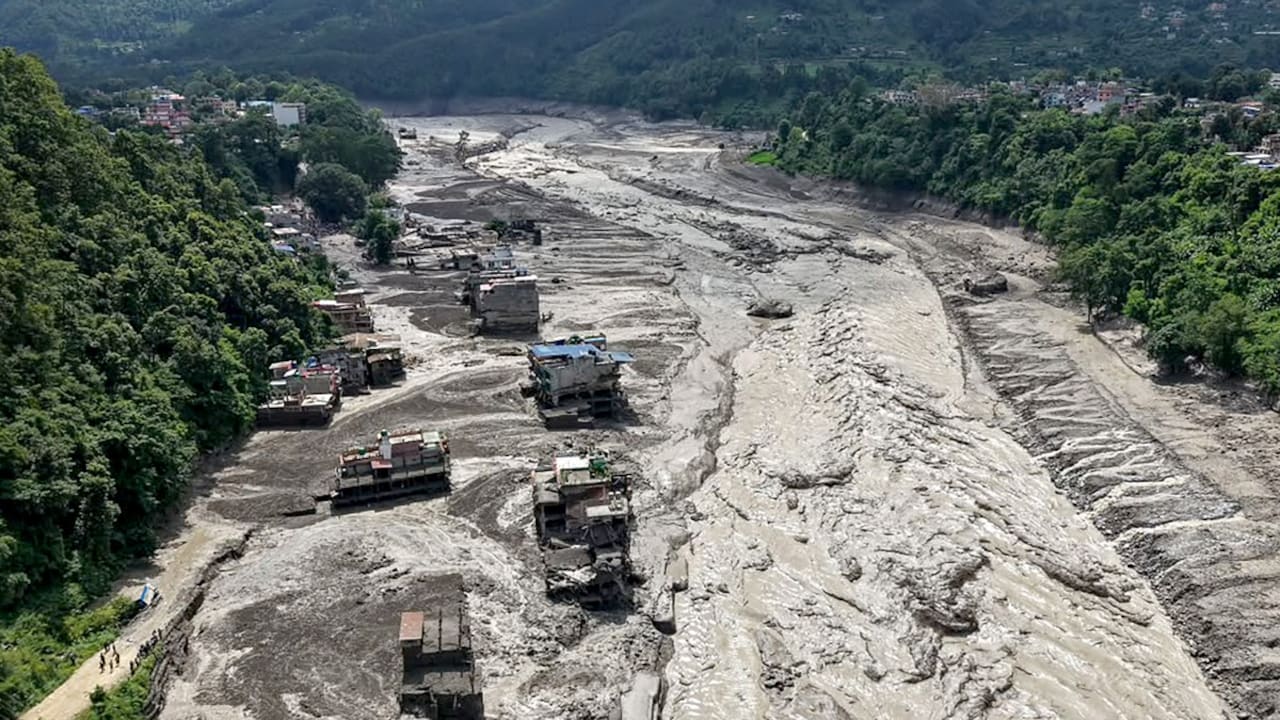
Water doesn't care about diplomatic lines. When flash floods tear through river valleys, people look upstream for answers. That is exactly what happened when catastrophic water surges hit parts of Nepal, leaving communities devastated and fingers pointing straight across the northern border. Rumors spread fast. People whispered that a massive barrier or geological disaster dam built by China had suddenly collapsed or released water without warning.
Beijing didn't stay silent. Chinese officials issued official responses addressing the disaster, denying that any structural failure on their side triggered the calamity. But navigating transboundary water disputes between rising economic giants and downstream nations is never simple. You need to look past the political statements to understand the physical reality of what went wrong in the Himalayas.
The Geography of Transboundary Panic
Himalayan river systems are inherently volatile. They cross multiple borders, carrying glacial melt and monsoon rains down steep terrain into densely populated valleys. When an extreme weather event strikes, tracking the exact origin of a flash flood becomes an investigative puzzle.
Downstream communities in Nepal live on edge during the monsoon season. They know how quickly a dry riverbed can turn into a raging wall of water. So when water levels spike overnight without warning, suspicion instantly targets upstream infrastructure. China has aggressively built roads, tunnels, and energy projects across Tibet's fragile terrain. These engineering feats alter local drainage patterns, making it easy for locals and regional media to suspect artificial triggers when disaster strikes.
Beijing maintains that natural factors drove the crisis. Heavy rainfall, localized landslides blocking river channels temporarily, and subsequent outbursts are common occurrences in this terrain. A natural landslide dam forms, pools water for days, and then violently breaches. To downstream residents, the effect is identical to an intentional water release from an engineered reservoir.
Untangling the Official Response from Beijing
When foreign ministries field questions about transboundary ecological disasters, the standard playbook involves defense and denial. Beijing pushed back hard against claims that its infrastructure projects caused the Nepal floods. Officials insisted that monitoring stations found no abnormal behavior or structural breaches in upstream water control facilities.
Is that the whole truth? Data sharing between China and downstream countries like Nepal and India has historically been fraught with friction. Early warning systems exist, but they are often bogged down by bureaucratic delays or geopolitical distrust. If an upstream landslide blocks a river inside remote regions of Tibet, real-time telemetry doesn't always reach local emergency managers in Kathmandu before the wall of water crosses the frontier.
Communication gaps create vacuums. When information travels slowly, fear fills the space. Beijing can state that its dams held firm, and that statement might technically be accurate. Yet, the broader engineering footprint in high-altitude zones changes sediment flows and slope stability. Denying direct responsibility for a sudden flood doesn't erase the complicated environmental impact of heavy construction in the world's most fragile mountain range.
What Lies Ahead for Himalayan Communities
Pointing fingers won't clear the riverbeds or rebuild washed-out bridges. The real challenge involves upgrading regional cooperation so that a heavy downpour in Tibet doesn't turn into a blind catastrophe in Nepal.
Better meteorological data sharing is non-negotiable. Both nations need automated sensor networks that operate independently of diplomatic friction. If a natural landslide dam starts forming upstream, automated alerts should trigger evacuation sirens downstream within minutes, not hours.
Check local emergency preparedness guides if you live or travel near transboundary river basins. Keep your evacuation routes clear, monitor real-time weather alerts from independent meteorological services, and never underestimate how fast Himalayan waters can rise. Build resilient infrastructure away from direct floodplains, because nature will always test the limits of what humans build upstream.