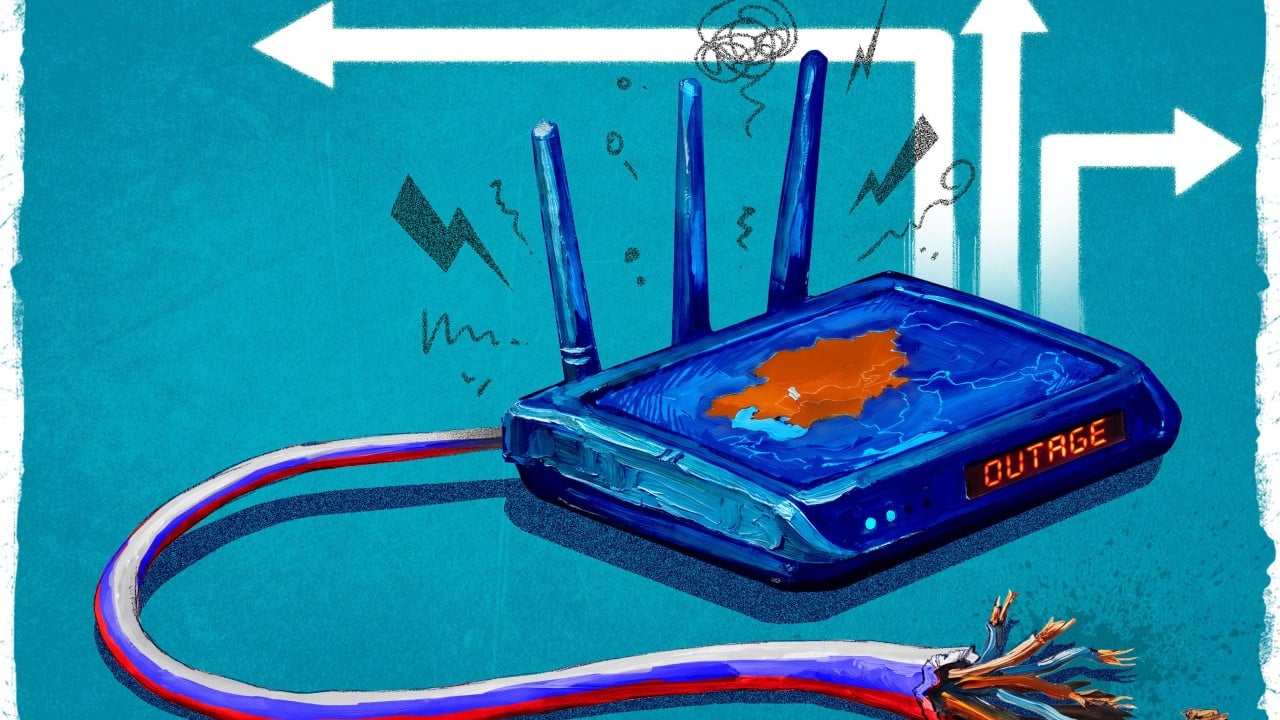
Central Asia has relied on Russian digital infrastructure for decades. That dependence is now turning into a massive liability. When Ukrainian drone strikes hit several Russian data centres, apps for food delivery, taxi services, and digital banking crashed across entire capitals in the region. People woke up to paralyzed digital lives because their data routed through Moscow.
Regional governments are scrambling to build alternatives. But finding true digital sovereignty is proving nearly impossible when you are squeezed between Chinese hardware networks and sweeping Western technology restrictions.
The Problem With Moscow’s Digital Umbilical Cord
For a long time, connecting through Russia felt natural. Historical ties, shared telecommunication backbones, and ubiquitous platforms like Yandex made digital life seamless. Daily routines in Kazakhstan, Uzbekistan, and Tajikistan depended entirely on servers sitting inside Russia.
That convenience masked a glaring vulnerability. When geopolitical conflicts strike Russian infrastructure, the shockwaves travel south instantly. Governments in Central Asia realized they were sharing the collateral damage of a war they aren't fighting. Tajikistan's recent move to launch a direct internet link connecting Dushanbe straight to Beijing is a direct reaction to this fragile reality. They want out of Moscow's web.
Trading One Sphere of Influence for Another
Cutting the cord with Russia doesn't mean Central Asia is suddenly free. It means stepping onto a crowded battlefield where superpowers compete for control over the region's digital future.
China is aggressively stepping up to supply alternative fiber-optic links, telecommunications gear, and artificial intelligence infrastructure. Meanwhile, American tech restrictions and export controls make buying Western alternatives complicated or outright restricted. Kazakh President Kassym-Jomart Tokayev has met with heavyweights like Nvidia’s Jensen Huang to secure high-tech partnerships, but balancing these competing demands is an absolute policy tightrope.
If you accept Chinese networking architecture, you inherit different compliance ecosystems and hardware dependencies. If you try to lean toward the West, you run straight into strict technology blockades and compliance hurdles.
The Energy Bottleneck Stopping True Tech Independence
Geopolitics isn't the only thing standing in the way. Artificial intelligence and modern data hubs demand massive, uninterrupted power supplies.
Central Asia suffers from chronic energy shortages and creaking grid infrastructure. Building gleaming new data centers means nothing if you don't have the watts to keep the servers cool. This creates a secondary vulnerability: whoever builds the power plants will control the digital hubs. Whether those energy grids come from Chinese state companies or other international investors, the physical power behind the digital transition will dictate who holds ultimate leverage.
Managing these friction points requires a delicate balancing act that most regional ministries are struggling to maintain. Keeping network layers separate while satisfying Beijing, Washington, and local business demands is an ongoing policy headache. Central Asia wants an open, resilient digital economy. Instead, they are finding themselves mapped out as the latest frontier for superpower competition.