Let's be completely honest about what just happened in Miami. Argentina survived. They didn't dominate, they didn't put on a masterclass, and they certainly didn't cruise. The reigning world champions were dragged into deep water, kicking and screaming, by a nation of just 525,000 people.
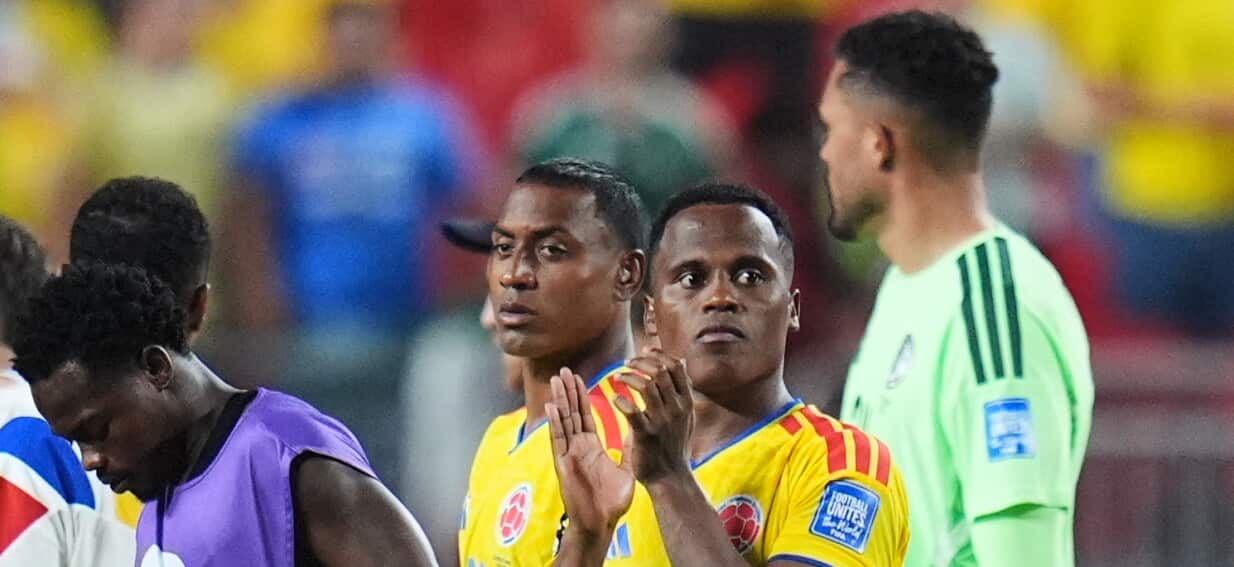
Cape Verde exited the 2026 World Cup after a heartbreaking 3-2 extra-time defeat in the Round of 32. But anyone looking at the raw scoreboard is missing the point. Lionel Scaloni's men didn't win this match through tactical superiority; they escaped because of a cruel 111th-minute own goal that deflected off Diney Borges.
This wasn't a standard David vs. Goliath narrative where the underdog parks the bus and prays for penalties. Cape Verde actually played. They went down, fought back, went down again, and fought back a second time.
The Night the Blue Sharks Stunned Miami
Most pundits wrote this game off before the first whistle. When Lionel Messi slid past the Cape Verde defense in the 29th minute to fire home his 20th career World Cup goal, the script seemed written. Argentina was supposed to pad their stats.
Cape Verde had other plans.
Instead of collapsing under the pressure of playing the world's top-ranked team, the Blue Sharks organized. They squeezed spaces, pushed their fullbacks forward, and started asking genuine questions of the Argentine backline.
- 59th Minute: Ryan Mendes spots an opening and feeds Deroy Duarte, who beats Emi Martínez from a ridiculously tight angle. 1-1. The stadium goes completely silent.
- 92nd Minute: Lisandro Martínez strikes early in extra time. It feels like the dream is dead.
- 103rd Minute: Sidny Lopes Cabral lets fly with a spectacular curling effort from distance. Martínez is beaten again. 2-2.
Argentina eventually found their winner via a chaotic corner routine that resulted in an unlucky deflection, but the psychological damage was done.
Why This Run Was No Fluke
You can't call this a lucky sequence of events. Cape Verde's entire 2026 World Cup campaign was built on defensive resilience and fearless transition play. Look at their track record leading up to the knockout phase. They didn't just stumble into the Round of 32.
They held a powerhouse Spain squad to a 0-0 draw in Atlanta. They went toe-to-toe with Uruguay, securing an incredible 2-2 draw. They took points off Saudi Arabia. By the time they lined up against Argentina, they had already proved they belonged on the pitch with the global elite.
The 40 Year Old Wall
If you want to know how a tiny island nation frustrates elite forwards, look at Vozinha. The 40-year-old goalkeeper put on an absolute clinic in Miami, racking up 10 saves over the course of 120 grueling minutes.
Five of those saves came directly from Messi.
Vozinha read the game perfectly, rushing off his line to sweep up loose balls and commanding his box during an absolute siege of set-pieces. He became an instant folk hero on social media for a reason. He frustrated the best player in football history for the better part of two hours.
Tactical Bravery vs Star Power
Coach Bubista deserves massive credit for how he set up his squad. Many managers from smaller footballing nations deploy a low block and clear their lines aimlessly. Cape Verde actually tried to transition cleanly through midfield.
They used Kevin Pina to disrupt Argentina's rhythm, refusing to let Enzo Fernández and Alexis Mac Allister dictate the tempo. While Argentina boasted a squad worth hundreds of millions of euros, Cape Verde relied on collective understanding and sheer physical output.
They exposed major vulnerabilities in the Argentine setup. Scaloni's side looked sluggish when turning over possession, relying heavily on individual moments of magic rather than cohesive team play. If Cape Verde had a bit more depth on the bench to refresh their tiring legs in the final ten minutes of extra time, we would be talking about the single biggest upset in the history of international sports.
What Happens Next for the Blue Sharks
The immediate aftermath is obviously painful. Seeing players collapse onto the pitch in tears after a 111th-minute own goal is tough to watch. But the macro view is incredibly bright.
Cape Verde entered this tournament as a curiosity, the smallest nation to ever reach the knockout rounds of a modern World Cup. They leave with a totally transformed global reputation. They forced the reigning champions to use every bit of energy, two extra-time periods, and a lucky deflection just to get out alive.
The immediate priority for the Cape Verde football federation is capitalizing on this momentum. This squad proved that structural discipline and belief can bridge massive financial gaps. European clubs will undoubtedly be scouting this roster heavily over the coming weeks. For football fans who love the pure, unpredictable nature of international tournaments, the Blue Sharks provided the definitive highlight of the summer.