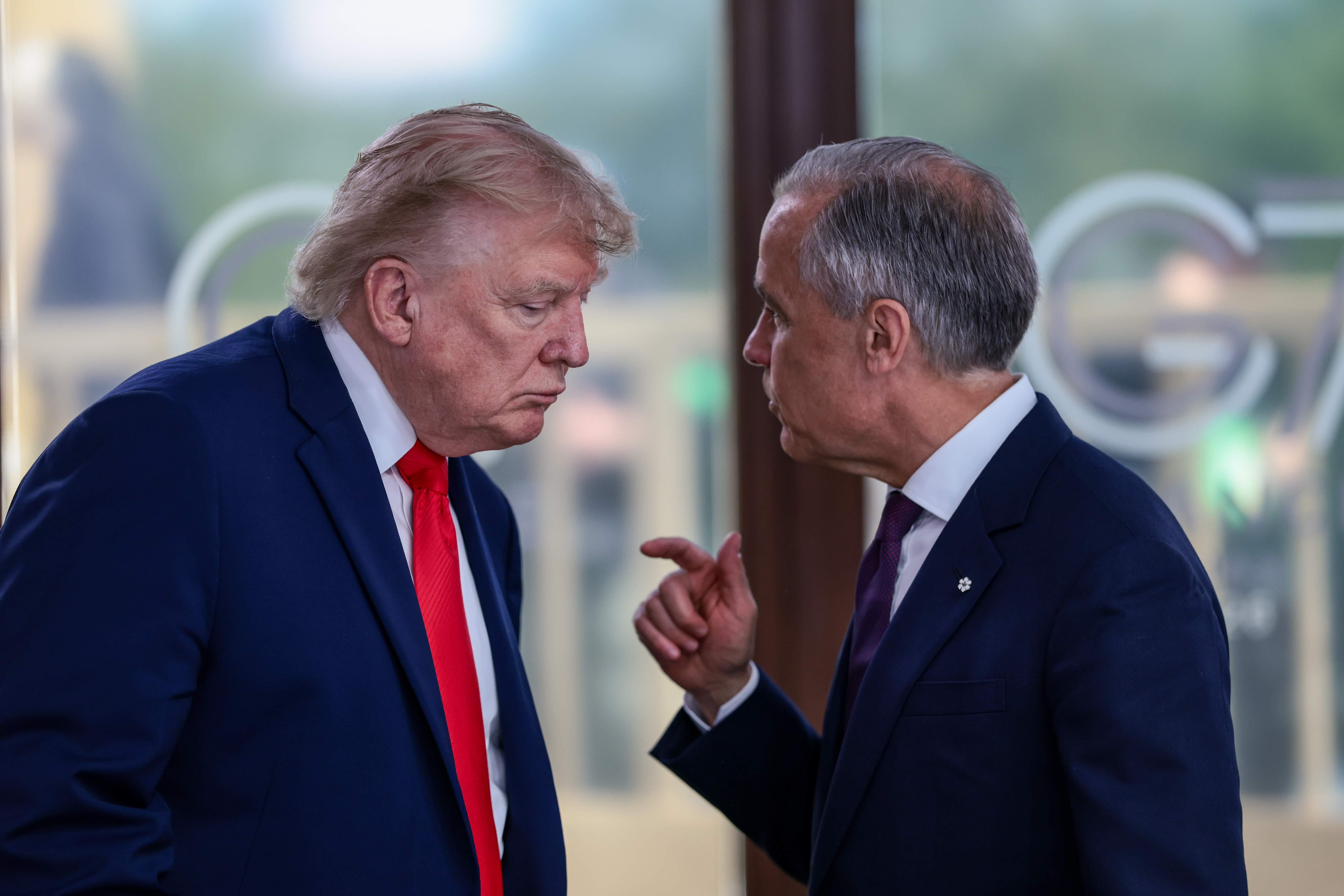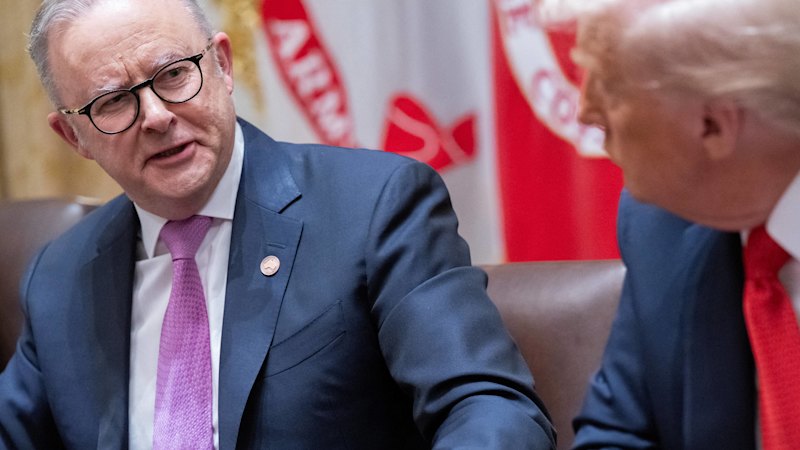
The border between Canada and the United States has always been more than a line on a map. It’s an economic artery. Today, that artery is under siege. With the clock ticking toward a Wednesday deadline, Ottawa is fighting off a 50-percent tariff threat on $20 billion of Canadian exports. Most political observers focus on the drama, but the real story is how Prime Minister Mark Carney has flipped the script on Donald Trump.
The president loves a spectacle. He trades in threats, bluster, and the promise of total market dominance. Yet, Carney isn't playing that version of the game. Instead, he’s deploying a highly calibrated, transactional strategy that prioritizes cold, hard leverage over traditional diplomatic hand-wringing.
Moving Beyond Sentiment
For decades, Canadian leaders leaned on the "special relationship" and shared values. They expected the White House to act as a partner. That era is dead. Trump’s administration doesn't care about history or common heritage. They care about wins—specifically, wins they can broadcast to their base.
Carney understands this better than most. While critics scream that Canada is getting bullied, the reality is much more surgical. By treating every negotiation as a distinct, standalone transaction, the Prime Minister is denying Trump the moral victory he craves. When Trump screams about trade deficits or regional slights, Carney doesn't respond with lectures on the virtues of free trade. He responds with offers that look like concessions but are actually calculated investments in resilience.
Take the recent provincial-level liquor distribution disputes. Rather than fighting a losing battle over the principles of market access, the federal government is working with premiers—like Ontario’s Doug Ford—to make targeted adjustments. It’s messy, it’s frustrating for purists, but it works. It removes the "irritants" Trump uses to justify his tariffs without surrendering the farm.
The Power of Asymmetric Leverage
Many believe Canada is powerless. They look at the massive disparity in economic size and assume Ottawa has to fold. That’s a fundamental misunderstanding of how the North American supply chain actually functions.
Canada isn’t just a neighbor. It’s an essential component of the U.S. manufacturing base. When you start slapping 50-percent duties on everything from hockey sticks to industrial machinery, you aren't just hurting Canadians. You’re gutting U.S. assembly lines that rely on parts crossing that border five times before they become a finished product.
Carney knows this leverage exists, but he’s careful not to overplay it. His team is playing a quiet, high-stakes game of supply chain mapping. By showing the White House—privately and with precision—the exact cost of these tariffs to specific swing-state businesses, they’re effectively outsourcing the pressure. Let the American manufacturers explain to their local congressman why their production costs just doubled. It’s a smarter way to fight than shouting across the aisle.
Why This Strategy Survives
The reason Carney’s approach is effective is that it recognizes the "zombie" nature of the current trade environment. The United States-Mexico-Canada Agreement (USMCA) isn't functioning as a beacon of liberal order. It’s a husk. Everyone knows it.
Instead of waiting for the deal to magically heal, the current government is building mini-alliances elsewhere. Look at Canada’s recent AI cooperation deals with the UAE, Saudi Arabia, and India. It’s a clear signal: we are diversifying. If the U.S. market becomes a volatile "pay-to-play" model, Canada will simply build other ways to keep its economy afloat.
Practical Lessons For Navigating Trump 2.0
If you’re watching this from the sidelines, don’t mistake the noise for the outcome. Here is how you should think about this current state of affairs:
- Ignore the bluster. If it’s not in the official trade document, it’s just noise. Focus on the sectoral impact, not the president’s latest inflammatory comment about statehood.
- Understand the "Pay-to-Play" reality. Governments and companies that want to thrive in this environment have to treat every issue as a deal. What are you willing to give, and what do you demand in return?
- Diversify immediately. The days of relying on a single major partner are over. If your supply chain isn't redundant by 2027, you’re vulnerable.
This isn't about being right; it’s about being effective. While the president focuses on the optics of the fight, the Prime Minister is focused on the architecture of the deal. History will likely show that the quiet, transactional maneuvers were the only things that kept the border open. Don't expect a sudden resolution or a grand handshake. Expect more of this grind. It’s the new normal for a reason.
Stop waiting for a return to normalcy. Adapt to the transaction.