If you are expecting a sudden breakthrough in the ongoing trade disputes between Ottawa and Washington, don't hold your breath.
With the first trilateral review of the Canada-United States-Mexico Agreement (CUSMA) kicking off on July 1, businesses on both sides of the border are desperate for stability. The sweeping trade war that began under the Trump administration has left a trail of economic anxiety, especially for Canadian supply chains. But anyone hoping that American political leaders will soften their stance to sign a comprehensive tariff deal before this fall's U.S. midterm elections is severely miscalculating the current political environment.
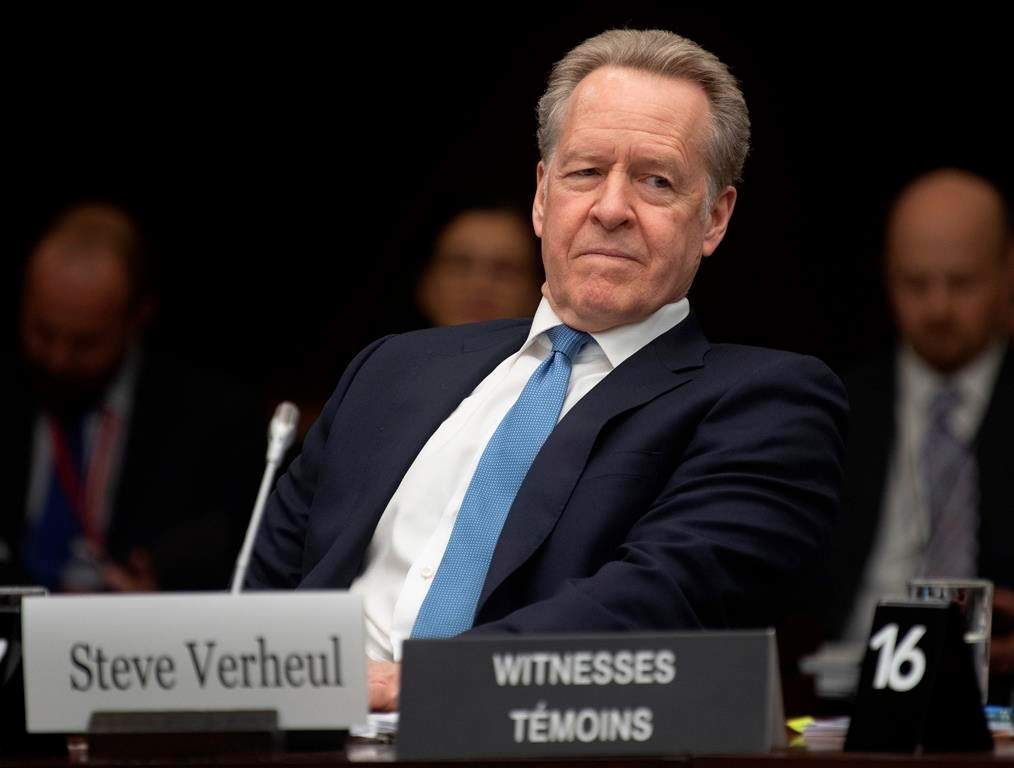
This isn't just standard political cynicism. It's the reality of modern trade negotiations. Steve Verheul, Canada’s former chief trade negotiator who famously steered the country through the rocky renegotiation of NAFTA during Trump's first term, laid it out clearly during a recent briefing for Bank of Montreal clients. He stated flatly that a deal before the midterms is highly unlikely, suggesting negotiations will easily bleed into next year.
The core issue? Washington hasn't put anything remotely resembling a fair deal on the table. For Prime Minister Mark Carney and his administration, accepting the current terms would be a political disaster.
The Midterm Illusion
It's tempting to think the looming U.S. midterm elections would force Washington to look for a quick win. In theory, a stabilized trading partnership worth billions of dollars everyday sounds like a great talking point for a campaign trail.
In practice, that isn't how American trade policy works anymore.
Protectionism sells. It sells to voters in Rust Belt swing states, and it sells to congressional districts that view cross-border supply chains as a threat rather than an asset. No American administration is going to risk looking weak on trade by lifting duties on steel, aluminum, or automotive parts just weeks before voters head to the polls.
If a window for an agreement opens up right before the midterms, it will be entirely on Washington's terms. It would require Canada to swallow major concessions, which is exactly why the current strategy in Ottawa is to wait things out.
Carney recently reinforced this exact sentiment, acknowledging that "bad deals" have been sitting on the negotiating table for months. Canada isn't going to sign a deeply flawed contract just to meet an arbitrary American election calendar.
Why Other Countries Got Bad Deals
Ottawa's reluctance to jump at the first offer makes complete sense when you look at how other nations have handled recent U.S. trade pressure.
During his brief, Verheul openly questioned whether the hasty trade agreements signed by other nations under intense American pressure will actually stand the test of time. He didn't name names, but the subtext was crystal clear. Over the past year, countries like Mexico have scrambled to offer rapid border security concessions and military deployments to temporarily pause or mitigate crushing universal tariff threats.
While those quick fixes managed to delay immediate economic pain, they didn't fix the structural problems. They simply kicked the can down the road.
Canada's current Chief Trade Negotiator, Janice Charette, alongside Ambassador Mark Wiseman, are playing a much longer game. They understand that a rushed deal is usually a bad deal. If Canada gives in on key issues now—such as domestic banking regulations or agricultural protections—those concessions become the new baseline forever.
CUSMA is the Ultimate Shield
Despite the aggressive rhetoric coming out of the U.S., Canada still holds a massive economic shield: CUSMA itself.
Even with the targeted tariffs and legal skirmishes that have dominated the news since the trade war escalated, CUSMA continues to do exactly what it was designed to do. It shields more than 85% of total Canada-U.S. merchandise trade from universal tariffs.
That baseline protection is the secret reason why Canada can afford to wait. The integrated nature of our economies means American manufacturers rely on Canadian inputs just as much as Canadian suppliers rely on American buyers. Sweeping tariffs hurt American consumers by driving up retail prices and disrupting factory floors from Michigan to Ohio.
Because CUSMA keeps the vast majority of cross-border commerce moving smoothly, it proves the deal still holds massive value for the United States. It limits the damage of targeted political tariffs and prevents a total economic freeze while negotiators argue over the remaining friction points.
How Businesses Should Navigate the Standoff
Waiting out a trade dispute makes strategic sense for a government, but it creates a massive headache for the private sector. If you are running a business that relies on cross-border logistics, you can't just pause your operations until next year.
Since a sweeping tariff resolution is months away at best, companies need to stop planning for a return to "normal" and start managing the friction. Here are the immediate steps businesses should take to insulate themselves from the ongoing gridlock:
- Audit your custom classifications: With trade rules under the microscope during the July 1 trilateral review, minor classification errors can lead to sudden, expensive duties. Ensure your product codes are completely accurate and compliant.
- Model the worst-case scenario: Run financial stress tests based on targeted 25% tariffs on your core components. If a sudden policy shift makes a critical import unviable, you need to know your financial breaking point before it happens.
- Build supply chain redundancies: If you source exclusively from one U.S. state or Canadian province, start exploring secondary suppliers. Diversification is the only real insurance policy against political instability.
- Leverage trade mitigation programs: Look into duty drawback programs or bonded warehouses to defer or recover tariff costs on goods that are ultimately re-exported.
The cross-border economic engine isn't going to fall apart, but the political noise is going to get significantly louder as the U.S. midterms approach. Treat the upcoming headlines as political theater, focus on protecting your specific supply chain, and plan your budgets under the assumption that this standoff lasts deep into next year.
To get a better sense of how the upcoming trade review affects cross-border logistics, you can watch this analysis of the CUSMA review first trilateral meeting. This video provides crucial context on what Canadian businesses and households should anticipate as the long-term negotiations get underway.