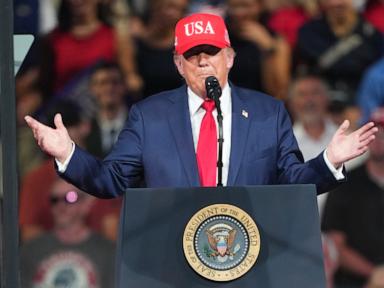
Donald Trump isn't happy. That usually means someone else is doing something right. Ottawa and Brussels just decided they've had enough of economic bullying, choosing instead to bind their futures together in a defensive trade embrace.
Canadian Prime Minister Mark Carney stood before the European parliament recently and flatly rejected Washington's threats. The European Union proposed making Canada its very first associate member. Trump responded with the predictable playbook, warning that the United States would slap severe tariffs or slam the door on trade entirely if the deal goes through.
Carney didn't blink. He pointed straight at polling data showing overwhelming Canadian support for looking past the southern border for economic security. If you think this is just diplomatic theater, look closer. Trade diversification is no longer a luxury for middle powers; it's basic survival.
Breaking Free From Economic Dependency
For decades, Canada treated trade with the United States like gravity—an inescapable physical law. You don't fight gravity. You just live with it. But unpredictable protectionist policies out of Washington turned a comfortable trade partnership into a high-stakes vulnerability.
When the White House treats long-standing alliances as transactional shakedowns, allies start looking for exits. Brussels offers a massive market of hundreds of millions of consumers who share regulatory philosophies, environmental goals, and democratic norms.
Becoming an associate member of the EU isn't about ditching geography. It's about insurance. Ottawa wants guaranteed access to European supply chains, tech initiatives, and green energy investments that don't depend on the shifting moods of an American president.
Why Trump’s Threats Are Backfiring
Washington's immediate reaction proved why this alliance makes sense. Threatening heavy tariffs because two sovereign democratic entities want to talk business only confirms Ottawa's worst fears.
When a superpower weaponizes trade agreements, the target nations don't surrender. They diversify. By threatening economic isolation, Washington is essentially pushing its closest historical partner straight into the arms of Europe.
Carney understands this dynamic intimately. He knows that Canadian voters are exhausted by constant threats of economic coercion. Standing up to the White House plays well at home, but more importantly, it secures long-term economic architecture that can survive US political volatility.
What This Means For Global Trade Networks
Old trade rules are breaking down. We are entering an era of regional economic blocs where middle powers must band together to avoid getting crushed between American unilateralism and Chinese industrial scale.
If Canada successfully carves out associate status with the EU, expect other nations to notice. Countries caught in the crossfire of superpower trade wars are watching Brussels and Ottawa closely. This blueprint could become the standard template for nations wanting European market access without EU political integration.
You are going to see more bilateral workarounds, non-dollar settlement agreements, and independent supply chains built over the next few years. The cozy post-Cold War consensus of frictionless globalization is dead.
Protect your portfolio, diversify your supply lines, and prepare for a fractured trade map. The transatlantic axis just expanded, and Washington's monopoly on North American leverage is cracking. Start paying attention to what Ottawa and Brussels sign next, because that is where the real future of Western trade is being written.