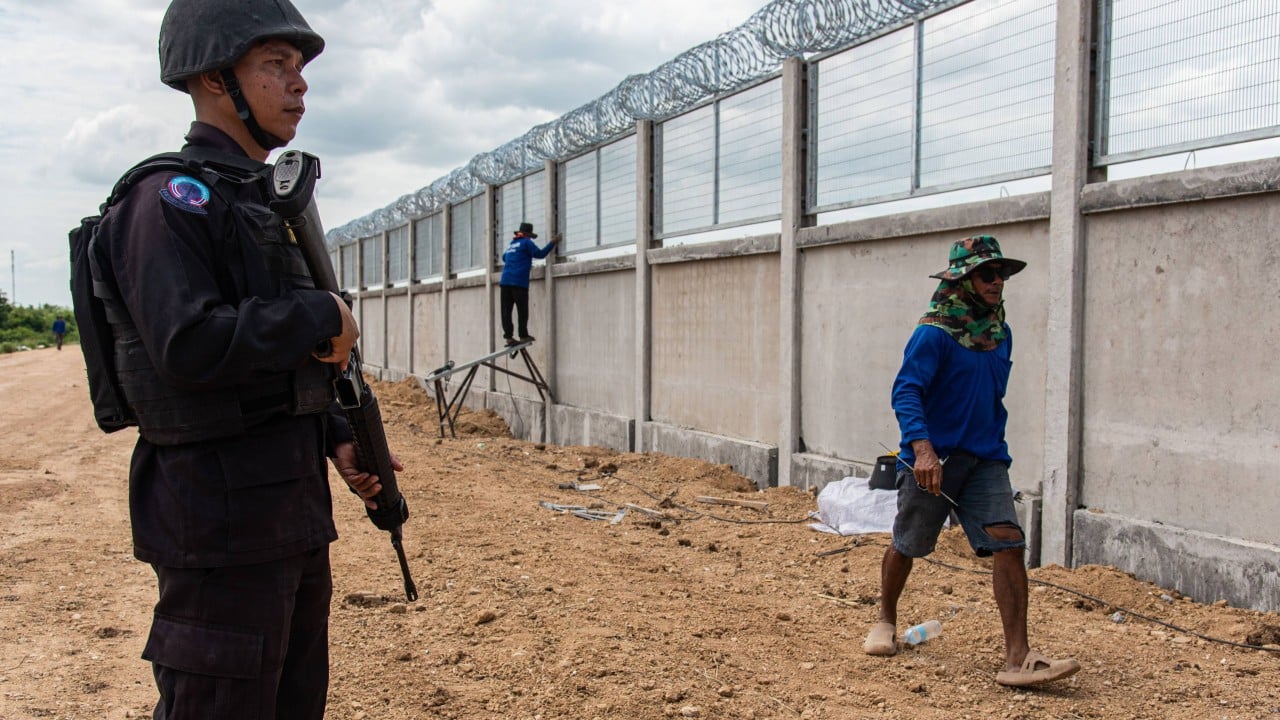
When physical barriers go up, financial survival gets pushed to the absolute edge. Right now, hundreds of thousands of Cambodian migrant workers are trapped in a brutal cycle of poverty, caught between local microfinance debt and tightened security along the Thai frontier.
If you think this is just a routine geopolitical dispute, you are missing the human reality on the ground. Recent reports from labor watchdogs like the Center for Alliance of Labor and Human Rights (CENTRAL) show that roughly 71 percent of returned workers carry heavy debt loads averaging over $5,000. When borders lock down and crossing points tighten, these families don't just lose income—they risk losing their land, their homes, and their futures.
The Microfinance Trap That Powers Regional Migration
Let’s be honest about why people leave. Rural Cambodia faces a severe lack of stable, high-paying jobs. To build a house, farm land, or cover medical emergencies, many families rely on microfinance institutions (MFIs).
Cambodia has long held some of the highest microcredit debt per capita in the world. When local interest rates bite, families have only one viable escape valve: crossing the border to work on Thai farms, construction sites, and factories where daily wages outpace local options.
Security reinforcements and military build-ups along the border don't stop the hunger driving these choices. They only make the journey more dangerous and expensive.
Why Border Fortifications Backfire
When governments tighten border controls, informal channels don't disappear—they simply become more costly. Workers trying to escape crushing debt find themselves paying steep bribes to middlemen or risking dangerous, illegal crossings through hidden jungle corridors.
- Higher Fees: Smuggled passage adds instant debt before a worker even reaches a job site.
- Zero Legal Protections: Undocumented workers have no recourse against wage theft or unsafe working conditions.
- Constant Fear: Daily arrests and crackdowns mean living under intense psychological stress.
According to data from labor organizations, over 80 percent of indebted returnees struggle to keep up with monthly repayments that often dwarf their actual monthly earnings back home.
The Reality of Failed Reintegration
When political tensions or border closures force workers to head back to Cambodia, government promises of jobs rarely match reality. Reports indicate that local factory wages often cover less than half of what workers previously earned across the border.
If you owe thousands of dollars to a lender who holds your family land title as collateral, earning local minimum wage feels like running on a treadmill facing a brick wall. You aren't getting ahead. You are just drowning slower.
Breaking the Cycle
Fixing this crisis requires more than temporary food aid or unfulfilled job pledges. True relief means tackling predatory lending practices head-on, offering legitimate debt restructuring for vulnerable households, and creating safe, legal pathways for regional labor mobility.
Until structural economic reforms take root at home, the pull of employment across the border will remain too strong to resist, no matter how many fences go up.