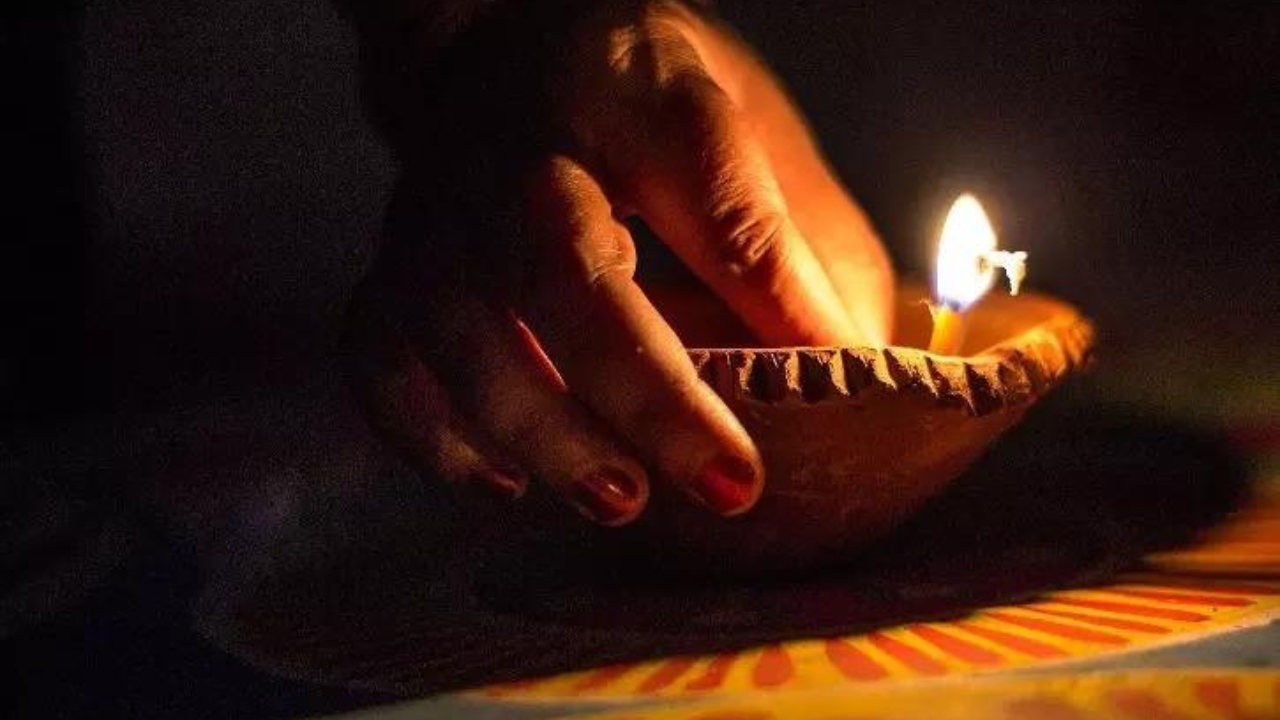
California promised Indian Americans a historic win late last year when it recognized Diwali as an official state holiday. Then a court stepped in and threw a massive wrench into the machinery.
If you've been following the news, you know state lawmakers celebrated Governor Gavin Newsom signing Assembly Bill 268 back in October 2025. It looked like a done deal. Public school districts could choose to close, state workers could take paid time off, and nearly one million Indian Americans in California finally felt seen by state government.
Now, less than a year later, a California court has challenged the law. The legal battle isn't actually about whether people should celebrate the Festival of Lights. It boils down to legal phrasing, constitutional boundaries, and how state statutes describe religious practices.
If you're a state worker, a student, or a parent wondering if your day off in November 2026 is still happening, here is the clear breakdown of what happened, why the court stepped in, and where the policy goes from here.
What the California Court Actually Decided
News headlines make it sound like judges banned Diwali outright. That's not what happened.
The lawsuit targeted specific language inside Assembly Bill 268 rather than the core idea of letting employees take time off. According to statements from the Hindu American Foundation, the court ruling focuses heavily on how the statute describes the religious meaning of Diwali.
Under the Establishment Clause of the U.S. Constitution and similar provisions in the California State Constitution, government bodies face strict limits when writing religious definitions into public law. When a state statute gets too specific about religious theology, doctrine, or sacred meaning, courts frequently strike down those specific sections to avoid government entanglement with religion.
The core practical perks of AB 268 were designed around flexibility. The legislation amended the Government Code, Education Code, and Code of Civil Procedure. It authorized public schools and community colleges to close if local boards agreed through collective bargaining. It allowed state employees to use paid leave. Crucially, it specifically excluded Diwali from being a mandatory judicial holiday, meaning state courtrooms stay open while other offices shut down.
Because the court order specifically took issue with text describing religious significance, legal scholars and advocacy groups are now dissecting whether the administrative mechanisms for taking time off can survive on their own.
The Long Journey to Get AB 268 Passed
To understand why this legal hiccup hurts, you have to look at how much work went into passing AB 268 in the first place.
Assemblymember Ash Kalra, a Democrat from San Jose, co-authored the bill alongside Assemblymember Darshana Patel from San Diego. Kalra has spoken publicly about growing up in California and celebrating Diwali in isolation from his school life and peers. For decades, South Asian students had to take unexcused absences or skip family gatherings altogether to take exams.
When the Legislature passed the bill in September 2025, it represented a major cultural shift. California holds roughly 20% of the entire Indian American population in the United States. Nearly one million residents in the state trace their roots to India, making California the largest hub of South Asian culture in the nation.
Advocacy groups like the Hindu American Foundation and the Coalition of Hindus in North America spent years lobbying Sacramento lawmakers. They pointed to other states that had already blazed the trail. Pennsylvania recognized Diwali as a statewide holiday in 2024. Connecticut followed close behind with its own legislation in 2025.
When Governor Newsom signed the bill, California became the third state to put Diwali on its official calendar. The law was slated to take effect on January 1, 2026, meaning November 8, 2026, would mark the very first official state-recognized Diwali under the new rule.
Then the court challenge hit.
The Constitutional Trap That Tripped Up Lawmakers
Why do holiday laws run into legal trouble in American courts? It happens more often than you think.
When state legislatures attempt to recognize cultural and religious holidays, they walk a thin line. You can offer a state holiday for Christmas, for example, because federal and state courts historically ruled that Christmas has acquired a secular, civic role alongside its religious meaning. But when writing brand new statutes for non-Christian holidays, draft writers frequently make the mistake of inserting detailed explanations of faith, spiritual duties, or holy texts into the bill text itself.
When AB 268 was drafted, lawmakers included language explaining that Diwali marks the 15th day of Kartik in the Hindu lunar calendar and detailed its cultural and religious history across Hindu, Sikh, Jain, and Buddhist traditions. While well-meaning, that statutory framing created an opening for legal challengers to argue the state was officially defining religious dogma.
Opponents of religious language in state bills usually rely on established legal tests. If a law appears to promote, define, or endorse specific religious beliefs, judges routinely strike it down or mandate that the legislature rewrite the text using purely secular administrative terms.
The Hindu American Foundation pointed out this exact issue following the ruling. The organization noted that the judge focused on textual phrasing rather than the practical goal of letting students and workers celebrate without penalty.
How California Compares to Other States
California isn't the first state to build holiday legislation around South Asian cultural events, but its legal approach differed from other regions.
In Pennsylvania, lawmakers kept the language short and administrative. They designated the day as an official state holiday without creating complex educational mandates or detailed religious preambles inside the statutory code. The law does not mandate business or school closures across the board, but it gives official state recognition.
Connecticut took a similar path with Public Act 25-59. They added Diwali to the list of official observances, giving public agencies the authority to adjust schedules without getting into lengthy statutory descriptions of faith practices.
By contrast, California's AB 268 tried to do several things at once. It authorized school closures, created state employee leave rights, and allowed public schools to incorporate cultural exercises into educational programs, similar to established provisions for Native American Day and Genocide Remembrance Day. That broader scope gave litigators more targets to attack in court.
Here is how the main state holiday frameworks stack up across the country:
Pennsylvania established its state holiday status in 2024. The law provides official state recognition but keeps state offices open and leaves closures up to local discretion.
Connecticut passed its law in 2025, taking effect in October of that year. It added the date to state observances while keeping administrative language strictly functional.
California passed AB 268 in late 2025, aiming for a 2026 implementation. It combined employee leave options, optional school district shutdowns, and educational curriculum guidelines, which ultimately led to the current courtroom fight.
What This Means for Students and State Workers Right Now
If you live in California and plan to celebrate Diwali on November 8, 2026, you don't need to panic, but you do need to understand how local policies work.
First, public school districts already hold the legal right to grant excused absences for religious observances under separate sections of the California Education Code. Even if AB 268 faces prolonged legal appeals, individual school boards can still adjust their calendars or excuse student absences for family celebrations.
Second, state workers still have standard personal leave and vacation options. The loss or revision of AB 268 doesn't strip away your existing personal holiday hours; it simply affects whether Diwali sits on the official state calendar as an explicitly listed optional paid holiday.
Third, the court order is currently being reviewed by state legal counsel and civil rights advocacy groups. Legislative fixes happen quickly in Sacramento when there is strong bipartisan support. If the court simply struck down the problematic phrasing, the California State Legislature can introduce clean, emergency fix-it legislation that strips out religious language and restores the administrative holiday status before November.
Misconceptions About the Court Decision
A lot of rumors spread instantly on social media after news of the ruling broke. Clearing up these misunderstandings helps keep the issue in perspective.
Many people assumed the judge banned public Diwali celebrations. That is false. The court ruling applies strictly to California state statutes and legislative drafting rules. Cities, counties, and private organizations can host celebrations, parades, and festivals without any restriction.
Another common belief is that the ruling forces schools to stay open. That is also incorrect. School districts in California have always maintained broad authority to schedule staff development days, holidays, and local breaks whenever they choose.
Some commentators claimed Governor Gavin Newsom vetoed the holiday. In reality, Newsom signed AB 268 into law enthusiastically in October 2025. The challenge originated in the judiciary branch, not the governor's office.
Actionable Steps for Parents, Workers, and Advocates
You don't have to wait around wondering what Sacramento will do next. If you want to ensure your family or workplace handles the holiday properly in 2026, take these concrete steps right now.
Contact your local school district office today. School boards set their academic calendars months or even a year in advance. Ask your school board representative if your district includes Diwali as a scheduled day off or if they require standard religious absence forms.
💡 You might also like: land of the freeSubmit leave requests early if you work for a state agency or private company. Don't wait for state lawmakers to clean up the statutory text. Use your standard personal holiday allocation or floating time off to lock in your schedule.
Talk to human resources about religious accommodation policies. Federal law under Title VII of the Civil Rights Act of 1964 and California state law under the Fair Employment and Housing Act require employers to provide reasonable accommodations for religious observances unless it causes undue hardship on business operations.
Follow official legislative updates from the bill authors. Watch for announcements from Assemblymember Ash Kalra's office and the Hindu American Foundation. They will post details on whether the state Attorney General appeals the ruling or introduces a revised cleanup bill in the legislative session.
The legal bump in the road is frustrating for families who fought for official recognition, but the underlying momentum hasn't vanished. Laws get rewritten, statutory phrasing gets cleaned up, and administrative codes get fixed. Focus on your local school board and workplace HR guidelines to protect your plans for November 2026 while the lawyers sort out the fine print in Sacramento.