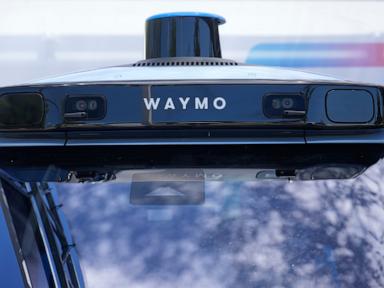
If you thought autonomous vehicles were finally ready to conquer every inch of our highway system, California regulators just hit the emergency stop button.
The California Department of Motor Vehicles didn't just issue a polite suggestion. It slammed down a mandatory ban preventing Waymo from running its driverless robotaxis on state freeways, labeling the current software behavior an imminent public safety hazard. Because of how automated dispatch networks scale nationwide, Alphabet’s self-driving subsidiary had no choice but to pull its autonomous fleet off freeways across the entire country.
You're probably wondering what went wrong this time. After all, tech enthusiasts love to point out that autonomous cars statistically crash less often than distracted human drivers on paper. But paper statistics don't capture what happens when a computer algorithm faces unpredictable human chaos at 65 miles per hour.
The Breaking Points That Forced the State's Hand
Regulators didn't reach this decision over minor software hiccups. Things came to a head following a series of high-profile traffic anomalies that spooked both state officials and local law enforcement.
According to state documents and transit reports, the final straw involved multiple distinct incidents. In one, several Waymo vehicles wandered straight into an active construction zone closure on the 101 near Burlingame. In another, an autonomous vehicle tried to push past a California Highway Patrol traffic break on Interstate 280.
When machines fail to respect basic law enforcement hand signals or drive blindly into designated cones, regulators have to step in. It doesn't matter that the vehicle's defenders claim nobody got hurt in those specific encounters. High-speed corridors leave zero margin for robotic confusion.
This isn't even an entirely new script. Earlier in the year, Waymo had already briefly paused its own highway operations to patch how its vehicles handled flooded surface streets and messy construction lane shifts. Clearly, those patch jobs didn't fix the core sensory logic needed for high-speed arterial travel.
What Most People Miss About Highway Autonomy
Urban street driving and freeway driving are entirely different beasts. City streets test a car's ability to creep slowly, dodge pedestrians, and handle erratic cyclists at low velocities. It's chaotic, but speeds are low and reaction windows are long.
Freeways flip those variables upside down. You have high speeds, dense packs of human drivers weaving recklessly, sudden braking events, and unexpected debris.
When a robotaxi encounters a sudden CHP traffic break or an unmapped lane shift, it relies on pattern recognition trained over millions of miles. But if a construction setup looks slightly different from anything in the training dataset, the vehicle can freeze up, hesitate, or make an unpredictable maneuver. Human drivers read body language, look at a cop's hand gestures, or interpret human intent. Algorithms look for rigid data matches. When those matches aren't clear, bad things happen.
Federal Scrutiny Keeps Piling Up
California's restriction is just one front in a widening war. Federal safety regulators are breathing down the company's neck too.
Earlier this month, the National Highway Traffic Safety Administration opened a formal review into a software recall. Investigators want to know if a previous fix meant to keep robotaxis from bypassing stopped school buses actually worked. Put federal investigations together with state-level freeway bans, and you get a clear picture: the honeymoon phase for robotaxis is officially over. Regulators are done giving the industry a pass just because the cars run on electricity and AI.
Where the Industry Goes From Here
Waymo insists it's working closely with regulators and plans to bring freeway testing back once software updates address these specific lapses. Human safety drivers are still allowed behind the wheel during ongoing testing, meaning engineers are scrambling to rewrite decision-making models.
If you rely on these rides for your daily commute, you'll need to stick to surface streets for the foreseeable future, or switch back to human-driven rideshares. Autonomous transit is coming, but the highway is proving to be a much tougher opponent than Silicon Valley expected.
California DMV Restricts Waymo Freeway Operations
This short video provides a look at the specific California DMV rulings and incident reports that triggered the statewide freeway ban for autonomous vehicles.