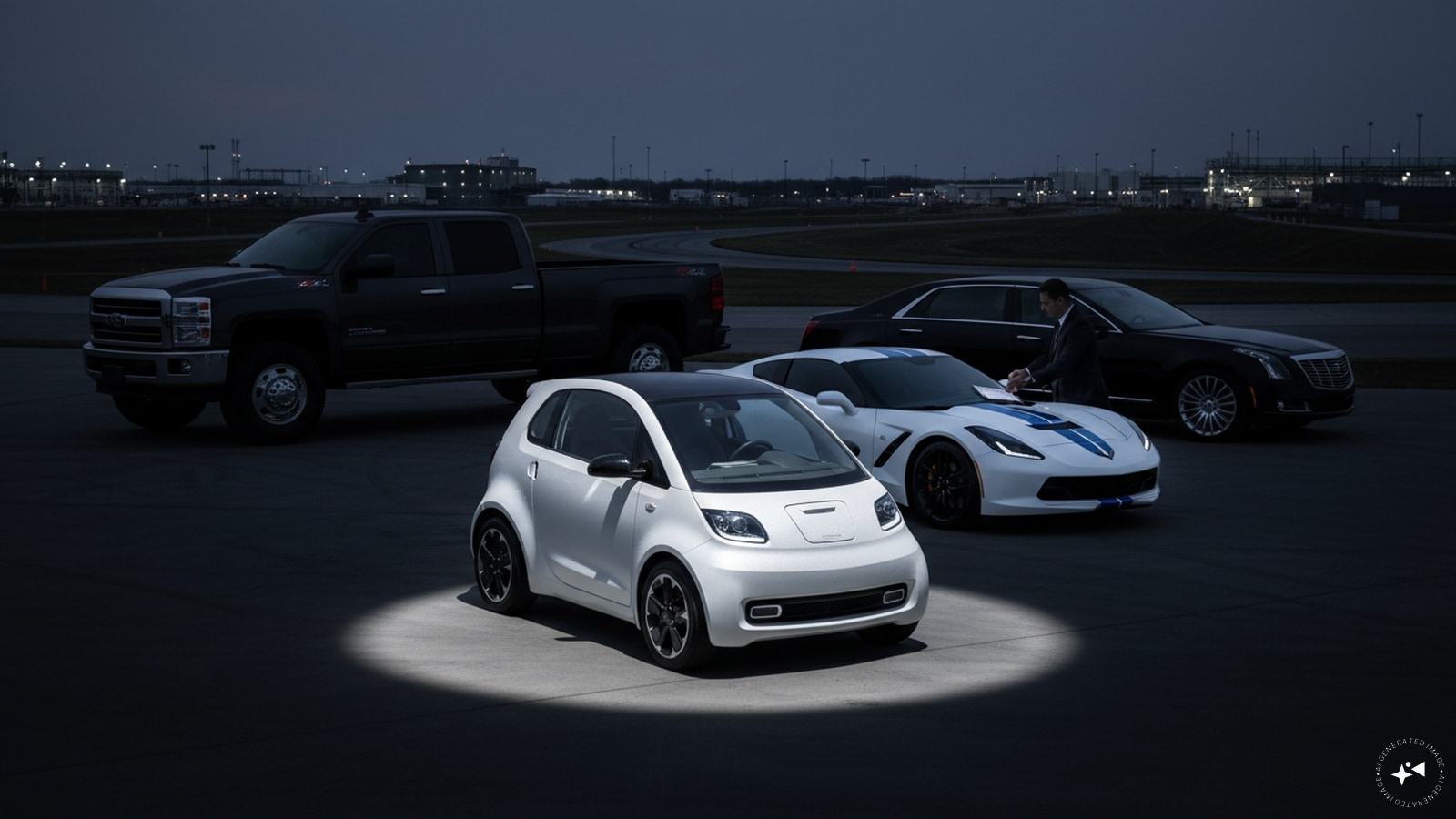
Foreign automakers have spent decades failing to crack Japan's domestic mini-vehicle sector. China's BYD is now trying to change that reality with a pint-sized electric vehicle called the Racco.
If you look at the numbers, Japan's lightweight kei car category accounts for roughly forty percent of all new vehicle sales in the country. Local automotive giants like Suzuki, Daihatsu, and Honda have dominated this protected space for generations. BYD entering this arena with a sub-two-million-yen electric model isn't just another product launch. It is a direct assault on the heart of Japan's automotive comfort zone.
Decoding the BYD Racco Strategy
The new Racco is tailor-made for Japanese regulations. It measures 3,395 millimeters long and stands 1,800 millimeters tall, slotting neatly into the super-height wagon category.
Pricing makes people look twice. Including local government subsidies, the entry-level variant costs less than two million yen, translating to roughly twelve thousand US dollars. That aggressive pricing undercuts Nissan's Sakura EV while offering a competitive driving range stretching past two hundred kilometers on a full charge.
Domestic manufacturers left a glaring gap in the super-height electric segment. BYD spotted that vacuum and moved fast.
The Real Barrier Isn't the Car
You can build a great vehicle, but selling cars in regional Japan requires deep local trust. That is where BYD faces its steepest uphill battle.
Traditional brands like Suzuki boast retail and service networks exceeding one thousand outlets nationwide. BYD currently maintains only around seventy to eighty sales locations across the entire country.
Kei car buyers expect immediate assistance for routine maintenance, mandatory vehicle inspections, and sudden breakdowns. Driving past a local service hub matters deeply to rural families who rely on these micro-vehicles for daily grocery runs and errands. Without a massive expansion of its physical service footprint, BYD risks hitting a hard ceiling on sales volume, no matter how attractive the sticker price looks.
Marketing Moves and Cultural Nuances
BYD isn't playing it safe with marketing. The company tapped actress Alice Hirose to front its commercial campaigns. This choice triggered an instant cultural talking point because her younger sister, Suzu Hirose, serves as the brand ambassador for Suzuki's competing Wagon R.
This sibling rivalry angle captured media attention across Tokyo instantly. It signals that foreign entrants are learning how to play the local media game.
Yet, cultural cleverness only goes so far. Japanese consumers remain fiercely loyal to domestic engineering traditions. Convincing a conservative buyer to trade their trusted local brand for a Chinese-built electric alternative requires more than a catchy ad spot. It demands undeniable reliability and friction-free ownership experiences.
What Happens Next
BYD has set a target of ten thousand Racco orders by the end of 2026. Hitting that milestone will test whether price and specifications can override deeply entrenched brand loyalty.
Watch the dealer expansion announcements closely over the next twelve months. If service infrastructure grows to match ambitions, this launch could permanently alter how Japan views imported electric mobility.
BYD Launches RACCO Mini EV, Targeting Japan's 'Super Height' Gap
This video provides a detailed breakdown of the BYD Racco's features, pricing structure, and its potential impact on Japan's competitive mini-vehicle market.