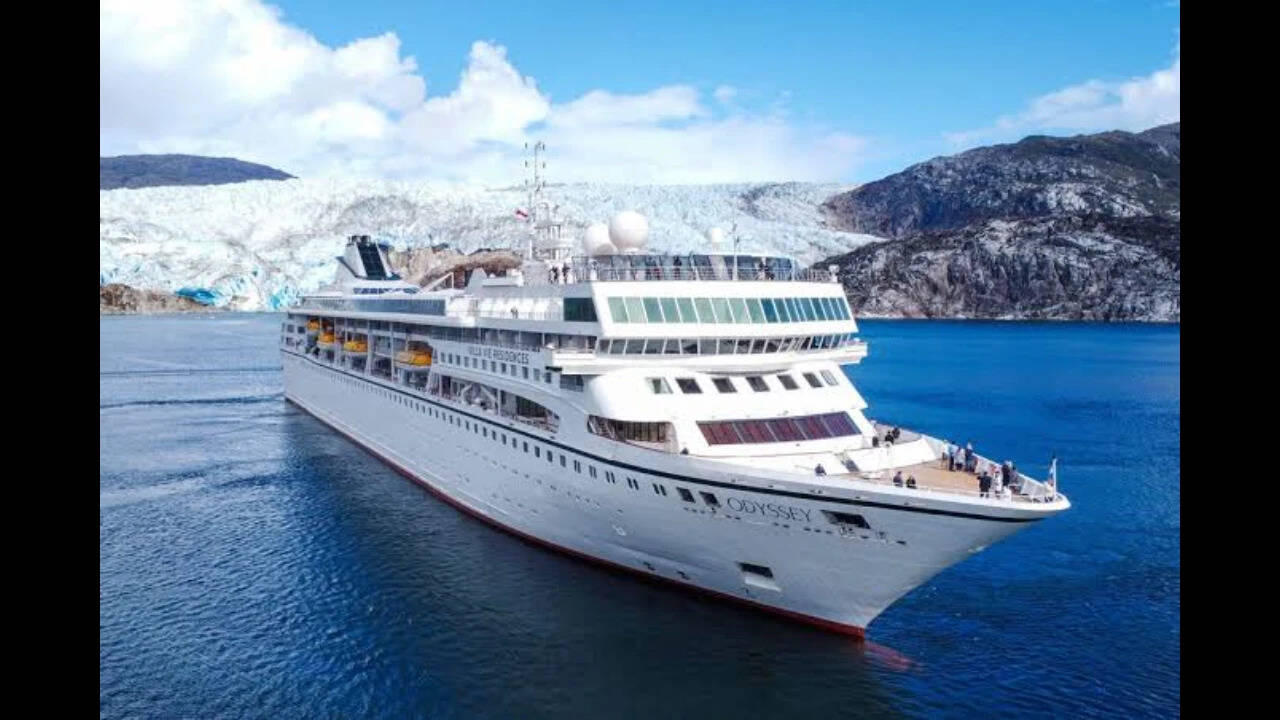
Selling your home, liquidating your retirement fund, and boarding a ship designed to sail around the world forever sounds like a modern fairy tale. It is the ultimate escape from mortgages, property taxes, and landlocked routines. But for over two hundred retirees who handed over tens of thousands of dollars to Villa Vie Residences, that dream turned into a bitter reality in Cambodia.
The promise was simple: buy a cabin or sign a long-term rental agreement on the Villa Vie Odyssey, and you'll live permanently at sea, exploring global ports without ever packing your bags again. Yet, reality hit hard when the Florida-based company abruptly suspended operations, left passengers stranded in Sihanoukville, and sailed away toward Singapore with only the crew on board.
The Allure of Permanent Floating Retirement
The concept of residential cruising is booming. Several companies market the idea of continuous global travel as a viable alternative to traditional senior living or homeownership. You pay an upfront fee or a hefty recurring lease, and the ship becomes your permanent address.
For many buyers, the math seemed to make sense on paper. Joel Greiff, a 57-year-old from Naples, Florida, sold his condo and dipped into his 401(k) to pay roughly $350,000 for a long-term stay under the company's Endless Horizons program. He boarded on October 1, expecting years of ocean views. Instead, he was told to pack his bags and vacate the vessel after just twenty-six days.
People buy into these programs because they crave freedom. They want an adventure without the hassle of logistics. Companies pitch smooth sailing, community living, and carefree exploration. They rarely talk about maritime law, volatile commodity markets, or the financial fragility of running a passenger ship independently.
When Fuel Prices Break the Business Model
Villa Vie Residences pointed a finger straight at global conflict when things fell apart. The company suspended operations and abandoned passengers in Cambodia, citing soaring fuel prices driven by the ongoing war involving Iran. Running a cruise ship is an energy-intensive business. When global bunker fuel prices spike, profit margins vanish overnight.
Maritime experts have long warned that independent residential cruise startups operate on razor-thin margins. Unlike massive corporate lines like Royal Caribbean or Carnival—which hedge fuel costs years in advance and rely on massive scale, onboard casinos, and thousands of daily passengers—smaller residential startups depend heavily on steady cash flow from new cabin sales to fund ongoing maintenance, port fees, and fuel.
When costs surge and new sales slow down, the financial structure collapses like a house of cards. The company chose to cut its losses, pull anchor, and head toward Singapore—potentially to face auction—while leaving roughly one hundred passengers stranded on foreign shores scrambling for flights home.
The Human Cost of Stranded Sea Dreams
For the passengers left behind in Cambodia, the hardest part wasn't just the lost money; it was the eerie silence from corporate leadership. Mary Ann Demsar, a 67-year-old retired teacher from Ontario, Canada, noted that travelers received almost zero clear communication from Villa Vie executives.
Passengers spent their final days on the ship frantically gathering whatever belongings they could fit into suitcases, knowing they would likely never step foot on the vessel again. Some found flights to regional destinations, while others stayed behind temporarily, staring at a maritime disaster that stripped away their life savings and their chosen lifestyle in one fell swoop.
Shirine Thomas of Wilmington, North Carolina, watched her floating home slip away while mourning the personal items still locked onboard. Selling a house to live on the water requires absolute trust in the operator. When that trust evaporates halfway across the world, passengers realize just how unprotected consumer rights are in international waters.
What Prospective Buyers Must Learn From This Disaster
If you're eyeing long-term residential cruises or lifetime tenancy models at sea, you need to look past the glossy brochures and examine the legal and financial guardrails protecting your investment.
- Investigate Escrow Protection: Never hand over massive lump sums without ironclad guarantees that your money sits in an independent escrow account tied to actual operational milestones, rather than funding current company debts.
- Understand Maritime Law Limitations: Consumer protection laws that apply to land-based real estate or domestic travel rarely apply when you are stranded in international waters or foreign ports.
- Scrutinize Financial Backing: Look closely at who funds the venture. Small startups without massive corporate backing or fuel-hedging strategies are exceptionally vulnerable to geopolitical shocks and sudden economic downturns.
The dream of sailing into the sunset permanently remains powerful. But as the passengers of the Villa Vie Odyssey found out the hard way, the open ocean can be unforgiving when the company steering the ship runs out of gas.
Protect your assets, verify corporate stability, and remember that if a lifestyle sounds too good to be true, the financial anchor might drag you down much faster than you think.