Ordering injectable peptides off random websites might seem like a shortcut to fat loss or muscle gains, but it is turning into a game of Russian roulette. Health Canada recently flagged a massive batch of unauthorized injectable peptides packed with dangerous bacteria. If you are looking at shady online storefronts to save money on compounds like Tirzepatide, Retatrutide, or NAD+, you need to stop right now.
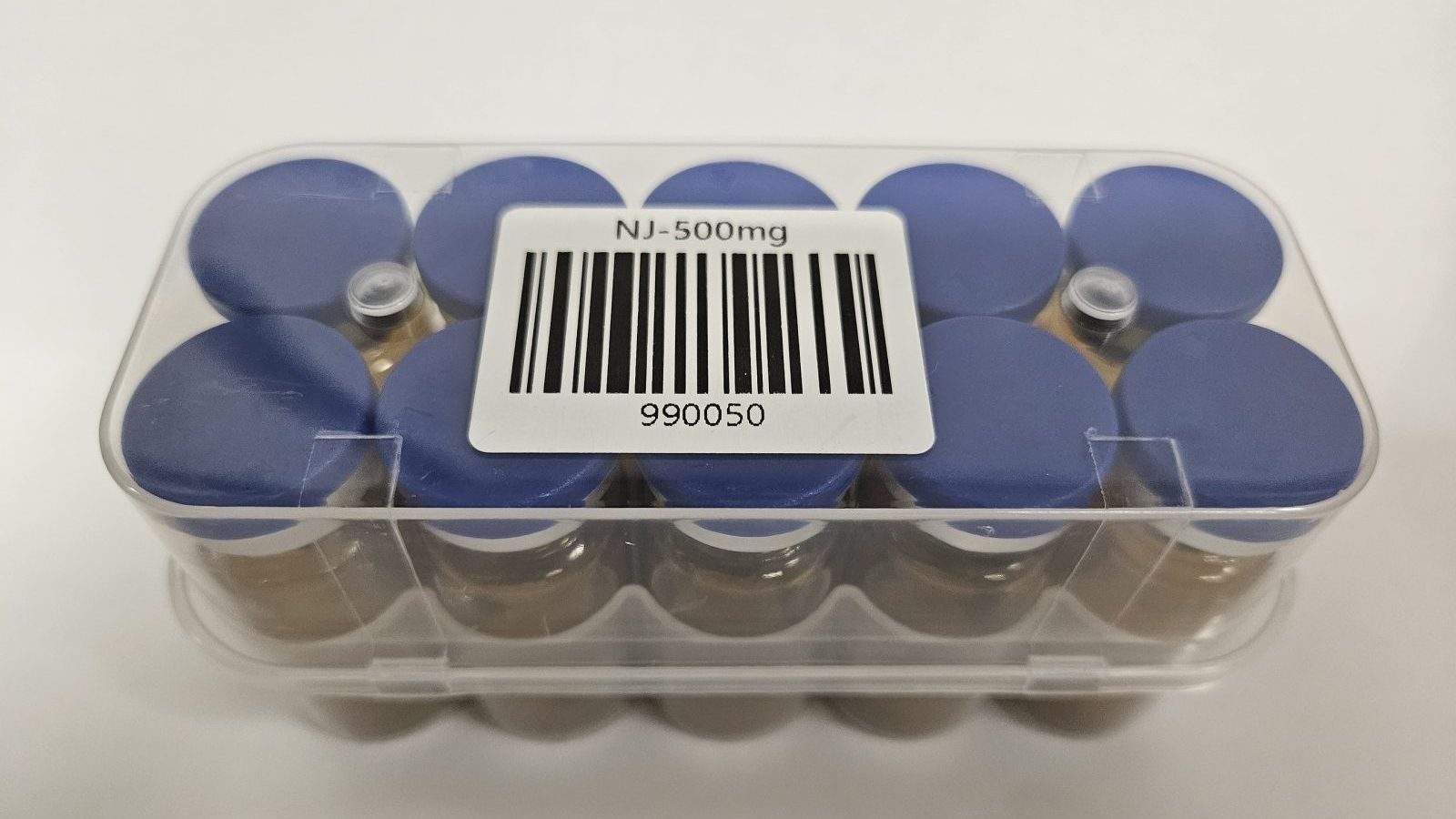
Regulators seized more than 11,400 vials originating from Shanghai ERP Peptide Biotechnology Co. Ltd. alongside products from associated online retailers. Laboratory testing on these seized vials didn't just find quality issues. They found three distinct strains of bacteria capable of causing severe human infections. When you inject unfiltered, unsterile liquid straight into your subcutaneous tissue or muscle, you aren't just taking a risk on whether the active ingredient works. You are inviting microbial invaders straight into your bloodstream. Building on this idea, you can also read: Why Manitoba Lung Cancer Screening Is Taking Too Long To Launch.
The Reality Behind Online Peptide Scams
The internet loves a quick fix. Social media feeds are flooded with influencers hyping up peptides for anti-aging, shredding fat, or speeding up injury recovery. Many buyers assume these compounds are harmless research chemicals or dietary supplements. They aren't. In Canada and most other regulated jurisdictions, injectable peptides are prescription drugs. They require strict oversight, sterile laboratory manufacturing, and proper cold-chain logistics.
When you buy from an unauthorized overseas supplier or an unverified domestic reseller, you have zero guarantee of what is actually inside that little glass vial. Health Canada's recent advisory highlights a terrifying checklist of what lab tests routinely uncover in these products: Analysts at Medical News Today have also weighed in on this situation.
- Contaminated water or solvents laden with bacteria and endotoxins.
- Microscopic glass, plastic, or fiber particles shedding from cheap manufacturing equipment.
- Vials containing massive over-doses, zero active ingredients, or completely unlisted chemical substitutes.
- Zero sterility controls during the lyophilization (freeze-drying) process.
You might save a few hundred dollars upfront compared to getting a legitimate prescription through a licensed physician and compounding pharmacy. That savings evaporates the moment you land in an emergency room with a raging systemic infection.
What Happens When You Inject Contaminated Compounds
Injecting a product teeming with bacteria isn't like eating something spoiled. Your digestive system has stomach acid and immune defenses to handle a lot of biological garbage. Your subcutaneous fat and muscle tissue do not.
When bacteria enter through a needle, they find a warm, nutrient-rich environment with minimal initial immune response. Within hours, localized contamination turns into a disaster. You start seeing angry red streaks, swelling, intense localized pain, and abscesses that require surgical drainage.
Worse yet, systemic spread leads to sepsis. Sepsis is a medical emergency where your body's response to infection damages its own organs. It moves fast, and it can kill you. Health Canada explicitly warns that individuals with compromised immune systems face even steeper risks, but even completely healthy athletes have ended up hospitalized from contaminated underground lab brews.
How to Spot Legitimate Products Versus Underground Junk
If a website sells vials labeled "for research purposes only" or "not for human consumption" while simultaneously offering dosing calculators and injection guides, they know they are selling drugs for human use while dodging legal liability. Legitimate pharmaceutical manufacturers don't use legal loopholes to sell medicine.
In Canada, any authorized prescription drug must feature an eight-digit Drug Identification Number (DIN) printed clearly on the label. If your peptide vial lacks a DIN, comes in generic packaging with printed paper labels, or ships from an anonymous online warehouse with payment methods limited to cryptocurrency or wire transfers, it is unauthorized. Period.
You can cross-reference any prescription drug directly using Health Canada's online Drug Product Database to verify if it has actual approval for sale. If it is missing from that database, touching it is a massive gamble.
What to Do If You Already Used These Products
Regulators have successfully forced several major offending websites offline and instructed the Canada Border Services Agency to intercept illegal shipments. However, thousands of vials have already changed hands.
If you have injected any unauthorized peptide recently, pay close attention to how your body feels. Watch for localized heat, persistent pain, swelling at the injection site, unexplained fevers, chills, or general malaise. These are classic warning signs of a bacterial infection taking root. Do not wait for things to clear up on their own. Seek medical attention immediately and tell your doctor honestly what you injected so they can treat the infection aggressively.
Protecting your health means refusing to cut corners with unregulated substances. Speak with a licensed healthcare professional, get legitimate prescriptions through proper medical channels, and leave underground chemical suppliers alone.