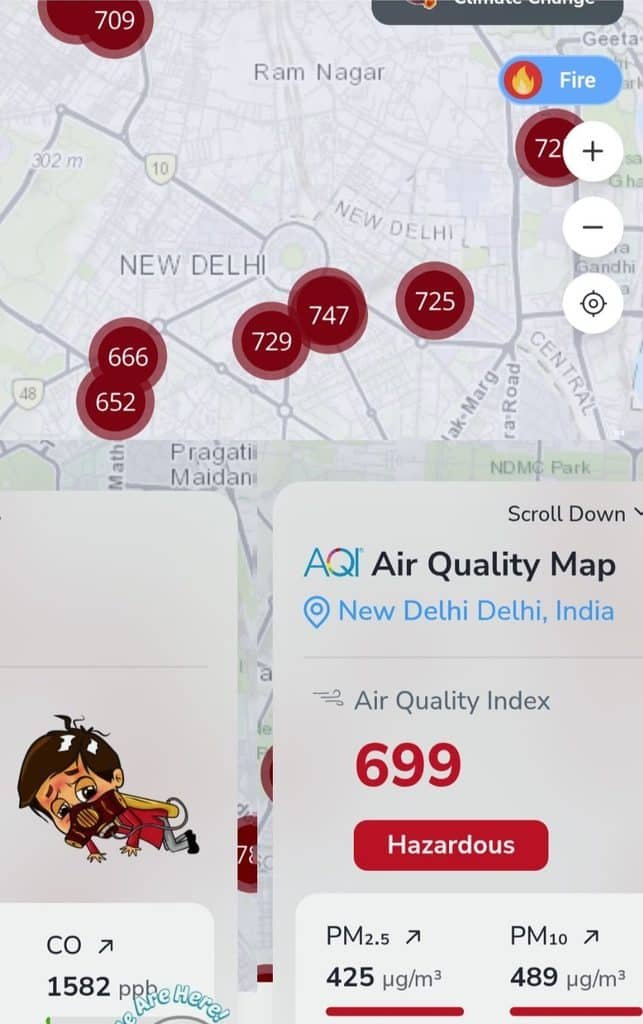
You wake up, glance at your phone, and see an Air Quality Index number past 500. The screen flashes red. It calls the air hazardous, but words feel too clean for what is actually happening outside your window. A thick, yellowish-grey shroud hangs over the streets, choking out the sun and turning the capital of India into a suffocating maze. This isn't just bad weather. It's Delhi's annual air pollution season, a predictable catastrophe that traps millions of residents inside a toxic atmospheric trap every single winter.
If you've never experienced a winter in northern India, it's hard to grasp the physical weight of the smog. You taste metal on your tongue before you even step outside. Your eyes burn, your throat scratches, and simple tasks like walking to the corner store feel like running a marathon in a smoke-filled room. How did it get this bad, and why does the cycle repeat year after year despite endless political promises?
The Anatomy of the Seasonal Crisis
Delhi's air doesn't just turn toxic overnight. The crisis builds up steadily between late October and the end of January, driven by a brutal combination of local emissions, agricultural practices, and geography.
Vehicles are the most constant culprit. With roughly 8.7 million registered motor vehicles choking the roads—and that number climbing nearly eight percent every year—exhaust fumes pump massive amounts of fine particulate matter directly into the lower atmosphere. Cars, trucks, and two-wheelers account for over half of local PM2.5 emissions.
Then comes the agricultural calendar. Right after the autumn harvest, farmers in neighboring Punjab and Haryana face a tight turnaround window before they need to plant their next wheat crop. Clearing the fields by hand is too expensive and time-consuming. The fastest, cheapest option is stubble-burning. Thousands of square miles of leftover crop residue go up in smoke, sending massive plumes drifting straight toward Delhi.
Throw in the festival calendar, particularly Diwali, and the air load spikes even higher. Even with legal battles and evolving restrictions on firecrackers, festive celebrations often overwhelm an already exhausted ecosystem.
The Physics of the Trap
Pollution happens everywhere, but Delhi possesses a geographic curse that turns local emissions into a localized disaster: thermal inversion.
As winter settles in, the ground cools down rapidly, trapping a layer of cold, stagnant air close to the surface. A layer of warm air sits right on top of it, acting like a physical lid. When you combine this atmospheric ceiling with landlocked geography and near-zero wind speeds, pollutants have nowhere to go. They hang suspended right where people breathe, creating a literal gas chamber effect that can persist for weeks at a time.
You can't negotiate with thermal inversion. You can only watch helplessly as monitoring devices max out. I remember coming back from a walk through the historic alleys of Old Delhi years ago, checking my meter, and seeing it read 999 simply because the device lacked a fourth digit.
The Real Cost on Human Health
Analyses often compare breathing Delhi's winter air to smoking dozens of cigarettes a day. That comparison sounds like hyperbole until you look at the emergency rooms.
Children and the elderly suffer first, struggling for breath as chronic bronchitis and asthma flare up. Long-term exposure chips away at cardiovascular health, driving up rates of strokes, heart attacks, and systemic inflammation. Recent estimates suggest air pollution claims upwards of 10,000 premature lives every single year in Delhi alone. It's a slow-motion public health emergency that affects every single person living within the National Capital Region.
What Actually Works and What Doesn't
Governments love reactive band-aids. When the AQI shoots past critical thresholds, authorities scramble to shut down construction sites, restrict older trucks, and slash government office attendance by half. These emergency curbs help a little, but they treat symptoms rather than the root disease.
Tackling the stubble-burning crisis requires sustained economic support for smallholder farmers who simply can't afford heavy machinery to clear residue without burning it. Subsidizing machinery rentals, scaling up bio-decomposer sprays, and turning agricultural waste into compressed biogas are steps in the right direction, but enforcement gaps remain wide. Many farmers continue burning under the cover of night to dodge satellite detection.
Similarly, half-baked compromises on firecracker bans during festival season prioritize short-term appeasement over long-term public survival. If the air is already hazardous, allowing even "green" crackers adds unnecessary poison to an already saturated lungful.
Surviving the Season
Until systemic policy shifts finally clean up the skies, residents are left to fend for themselves.
If you're navigating this season, don't rely on willpower. Seal your windows, run heavy-duty HEPA air purifiers in your bedrooms and workspaces, and swap outdoor morning jogs for indoor routines. When you do step outside, wear a proper N95 mask that seals tightly against your face—cloth masks and loose surgical coverings are useless against microscopic PM2.5 particles.
Delhi's tunnel of doom won't disappear overnight. Until real accountability replaces seasonal panic, survival is an indoor game of endurance.