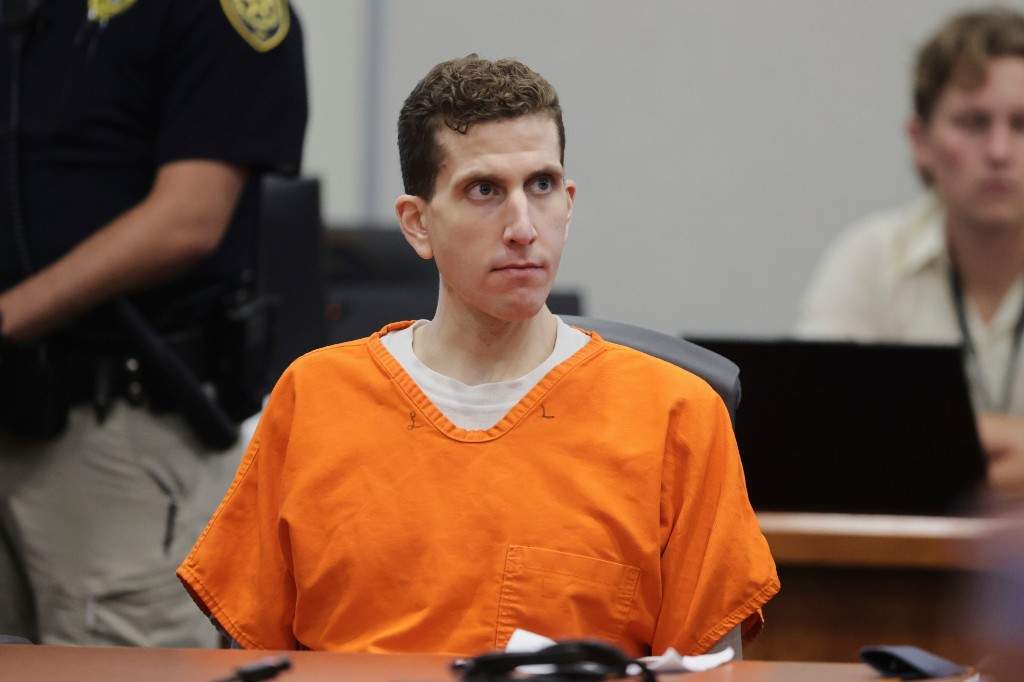
The legal battle surrounding the Idaho student murders refuses to stay quiet. Bryan Kohberger keeps pushing forward on a controversial bid to withdraw his earlier guilty plea, setting off a fresh wave of courtroom confrontations that could drag this exhausting case into entirely new territory.
If you've been following the timeline, you know things rarely move in a straight line here. A guilty plea is supposed to be the final chapter, the period at the end of a long, painful sentence. But Kohberger's defense team is arguing that the circumstances surrounding his original decision require a dramatic judicial do-over.
The Core Argument Behind the Retraction
Defendants don't just get to change their minds because buyer's remorse sets in. The law sets a remarkably high bar for withdrawing a plea once it's entered on the record. Kohberger's lawyers have to prove that the initial decision was somehow flawed, coerced, or made without a full understanding of the consequences.
Honestly, it's a massive uphill battle. Prosecutors are predictably slamming the move as a desperate delay tactic designed to manipulate the judicial system. They want finality for the families of Madison Mogen, Kaylee Goncalves, Xana Kernodle, and Ethan Chapin. Every motion, every hearing, and every legal maneuver drags those grieving families right back into the spotlight.
Yet, criminal defense experts point out that high-profile capital cases operate under a different microscope. Judges tend to look extremely closely at any claim involving the voluntariness of a plea. If there is even a sliver of ambiguity regarding how the defense counsel advised the accused, appellate courts will notice.
What Happens During the New Hearings
Courtroom dynamics in Latah County are bound to get tense. A new hearing means witness testimony, intense cross-examinations of previous legal strategies, and arguments over constitutional rights.
Defense teams typically point to issues like inadequate counsel, mental strain during plea negotiations, or newly uncovered information that shifts the risk-reward calculation of going to trial. Whether any of those arguments will actually hold weight under judicial scrutiny remains the central question. Judges aren't easily swayed by dramatic courtroom theater. They want hard evidence that a constitutional violation occurred.
The Public Frustration and Legal Reality
The public reaction has been swift and unforgiving. People want closure. The sheer brutality of the 2022 slayings in Moscow, Idaho, shocked the nation, and the community has endured years of legal wrangling.
When a defendant tries to reverse a major plea, it feels like a betrayal of the process. But the justice system is built on rigid safeguards for a reason. If a conviction isn't airtight procedurally, it opens the door for appeals later on that could overturn a verdict years down the line. Judges sometimes grant hearings simply to bulletproof the case against future appeals.
Pay close attention to the upcoming court filings. The arguments presented in these hearings will determine whether this case heads back toward a full trial or stays locked into its current trajectory. Keep track of the local court schedules and official transcripts rather than relying on internet speculation. That is where the actual reality of the case lives.