Disasters don't just destroy infrastructure. They expose the crushing weight of systemic neglect, leaving the most vulnerable to navigate the wreckage entirely on their own. When the Bhote Koshi river unleashed a devastating torrent on August 26, 2026, it didn't just wash away roads and bridges in Rasuwa. It swallowed the futures of young migrant laborers working on remote hydropower projects.
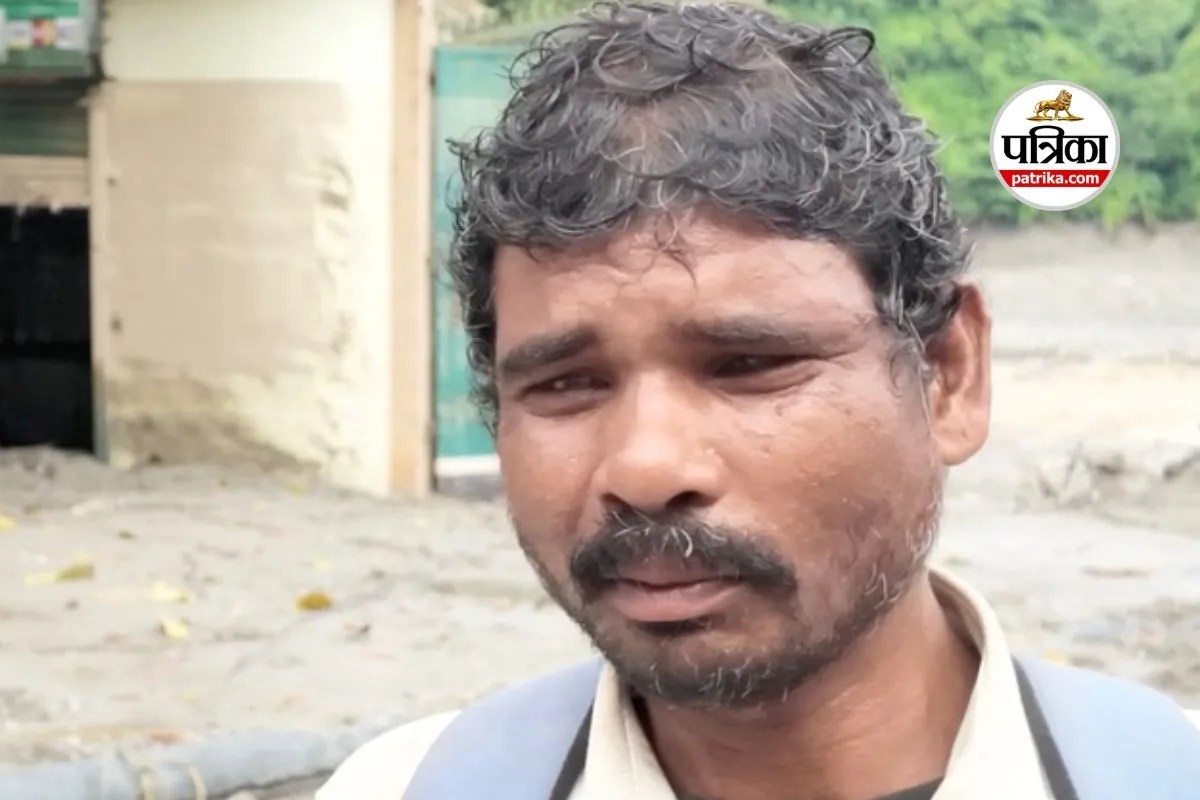
Among the missing is 19-year-old Vinod Sada, an only son from the marginalized Musahar community in Saptari. While official rescue reports focus on macro numbers, the human story unfolds in the agonizing journey of his father, Talka Sada. Armed with just 2,000 Nepali rupees—borrowed at an exorbitant twenty percent interest rate—this grieving father set out on a relentless foot search across landslide-scarred terrain.
The Cost of Desperation in the Mountains
Walking from Kathmandu toward Nuwakot, Talka faced a harsh reality that official briefings rarely capture. Lodges charge fifteen hundred rupees a night, devouring his meager cash reserves in less than two days. Every phone call to Vinod’s dead mobile number brings silence, yet he refuses to stop walking.
The search for Vinod isn't merely an individual tragedy. It highlights the stark chasm between Nepal's marginalized Madhesi populations and the centralized administrative apparatus. Coming from the Musahar community—long relegated to the social and economic fringes of the Terai plains—Talka encountered language barriers, bureaucratic red tape, and stonewalling at local checkpoints. When you are poor, brown, and speak with a regional dialect, even finding a morgue list or securing entry into a military-managed relief camp becomes an uphill battle against institutional indifference.
Why This Disaster Hits the Vulnerable Hardest
People often wonder why migrant workers take such dangerous jobs in unstable Himalayan terrain. The answer is simple survival. Economic desperation forces young men from southern plains like Saptari up into northern districts to mix cement and haul debris for hydropower sites. When flash floods strike, these remote construction camps turn into death traps.
- The Debt Trap: Borrowing money locally at predatory rates means every day of searching adds crippling financial debt to a family that already had nothing.
- Institutional Barriers: Navigating hospitals, police stations, and relief posts requires local advocacy that impoverished families simply don't possess.
- The Right to Closure: For families like the Sadas, the demand is basic. If their son survived, find him. If he didn't, give them the dignity of identifying his remains.
Talka Sada’s angry outbursts at local police stations aren't random acts of defiance. They are the raw, unfiltered expression of a parent whose grief is compounded by systemic exclusion. When you have spent your last rupee searching through mud and debris, polite patience runs out.
The floodwaters have receded, but the structural inequalities remain completely unwashed. Until disaster response protocols actively bridge the gap for marginalized internal migrants, heartbroken parents will continue walking lonely mountain roads with empty pockets and broken hearts.