Nobody likes being told to turn off the tap while watching millions of litres leak straight into the ground. Yet, that is exactly where we find ourselves as water companies face mounting pressure over fears that severe drought conditions will bleed right into next year. Regulators and government officials have stopped accepting excuses. The era of business as usual is over, and water providers are being dragged over the coals to prove they can actually keep the taps running.
If you have lived through previous dry spells, the script feels depressingly familiar. Reservoirs drop, public warnings ramp up, and households are urged to cut back on showers while infrastructure leaks waste a staggering amount of precious supply every single day. But public patience has worn thin. People are tired of shouldering the blame for a crisis driven by decades of underinvestment, creaking pipe networks, and corporate foot-dragging. You might also find this similar coverage insightful: Why The Detention Of Ghassan Najjar Exposes The War On Palestinian Land Defenders.
Why the Drought Won't Just Go Away
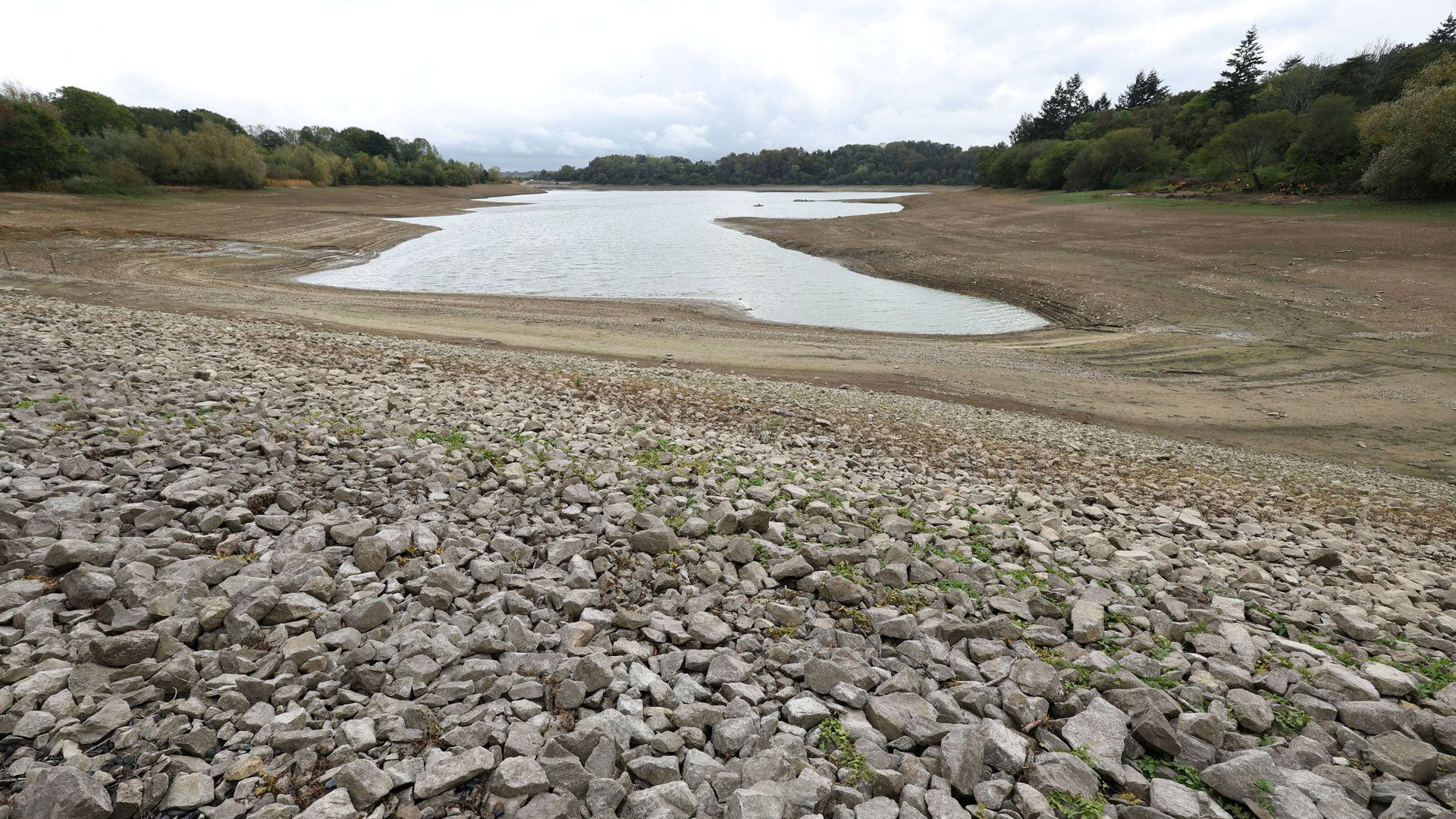
Weather patterns are shifting, and winter rainfall simply isn't packing the punch it used to. When autumn and winter fail to replenish deep groundwater aquifers and reservoirs, spring and summer start from a deficit. You can't just wish away a multi-season moisture deficit with a couple of rainy weekends in October.
The ground stays parched, rivers run low, and ecosystems take a beating. Water firms are being forced to ramp up drought plans months ahead of traditional schedules because waiting for rain is no longer a viable strategy. As extensively documented in recent articles by The Guardian, the implications are worth noting.
Critics point out that the real issue isn't just a lack of rain from the sky. It's what happens to the water once it enters the system. Leaks across major utility networks lose billions of litres daily before it ever reaches a kitchen sink. Asking families to use a watering can while underground pipes gush millions of litres into soil is a hard sell.
What Needs to Change Right Now
The pressure being heaped on water companies isn't just about issuing temporary hosepipe bans. It requires a fundamental overhaul of how water security is managed across the country.
- Accelerating infrastructure repairs: Fixing leaky distribution mains needs to move from a slow-term target to an emergency priority.
- Boosting storage capacity: Building strategic reservoirs and upgrading transfer networks can move water from areas of surplus to regions running dry.
- Enforcing accountability: Regulators must slap firms with severe financial penalties for failing to meet leakage reduction targets, rather than letting shareholders profit while infrastructure rots.
You can do your part by fixing dripping household taps, taking shorter showers, and being smart about garden watering. But individual thriftiness alone won't solve a systemic engineering failure. Water companies built this mess through decades of neglected upkeep. They are the ones who need to fix it before the next dry spell turns a seasonal crunch into a permanent crisis.