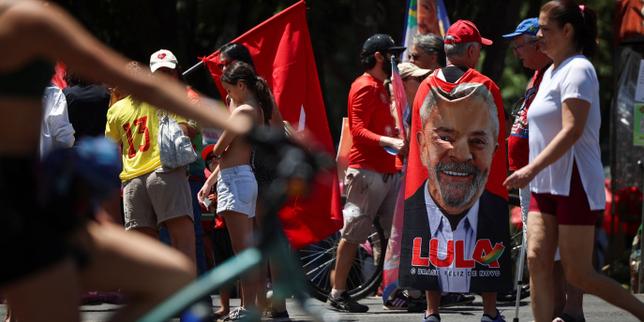
Political movements rarely die from sudden defeats. They rot from the inside out when they lose touch with the streets that built them. Right now, Brazil's Partido dos Trabalhadores, universally known as the PT, faces a brutal reckoning as it hunts for political oxygen ahead of the general elections.
Founded back in 1980 from factory floor strikes during the military dictatorship, the party once represented the ultimate hope for marginalized workers. Today, things look starkly different. Critics argue that decades of institutional compromise and entrenched power have blunted its revolutionary edge. If you look closely at the internal debates within the party ranks, you'll see a profound identity crisis. The historic base is aging, and younger generations don't automatically align with traditional left-wing orthodoxy.
The Weight of History Versus Modern Realities
Lula da Silva remains an unmatched political titan, but relying on a single charismatic leader has always been a fragile long-term strategy for the PT. When you build an entire political vehicle around one man's magnetic personality, succession planning becomes nearly impossible.
The party struggles to connect with the modern gig economy workforce. Traditional union halls used to pack out with metalworkers and factory operators. Now, delivery drivers and app-based contractors populate the urban landscape. These workers operate under precarious conditions that look nothing like the formal employment protections the PT historically fought to secure. Organizing independent contractors requires an entirely different playbook, and old-school party bosses are lagging behind.
Navigating a Deeply Polarized Electorate
Brazil remains sliced down the middle by fierce ideological divides. The rise of the conservative right and the enduring strength of the bolsonarista movement mean the PT can no longer count on comfortable margins or automatic solidarity.
To survive, party leaders face stark choices:
- Reconnect with working-class neighborhoods by addressing modern economic anxieties like inflation and housing costs.
- Overhaul internal communication channels to reach digital-first voters who consume politics through short-form video rather than traditional rallies.
- Broaden coalitions without diluting the core social justice mission that defines the movement.
Many rank-and-file members feel frustrated by backroom deals made in Brasília. They want a return to grassroots organizing. Without genuine renewal at the local level, the party risks becoming an administrative apparatus rather than a vibrant social movement.
The upcoming electoral cycle will test whether the PT can reinvent itself or if it's simply running on fumes. The clock is ticking, and the streets are waiting for answers.
Workers Party officially announces Pres. Lula's candidacy for 2026 general elections
This video provides direct context on the official party mobilization and presidential candidacy announcements shaping the current political race in Brazil.