Everyone loves an underdog story. When researchers point out that Brazil sits on massive deposits of rare earth elements, Western policymakers breathe a sigh of relief. They imagine a world where electric vehicles and wind turbines no longer rely on Chinese supply chains. Unfortunately, geology doesn't translate into finished goods overnight.
If you look past the optimistic headlines, the reality of global mineral processing tells a brutal story. Brazil holds incredible potential, but expecting it to dent China's chokehold on permanent magnets this decade is pure fantasy. Here is what most commentators miss about why the supply chain status quo isn't cracking.
The Raw Material Trap
Owning the dirt in the ground means very little if you cannot refine it. Right now, Brazil exports raw or semi-processed concentrate. Nearly all of those early shipments go straight to where the heavy lifting actually happens: China.
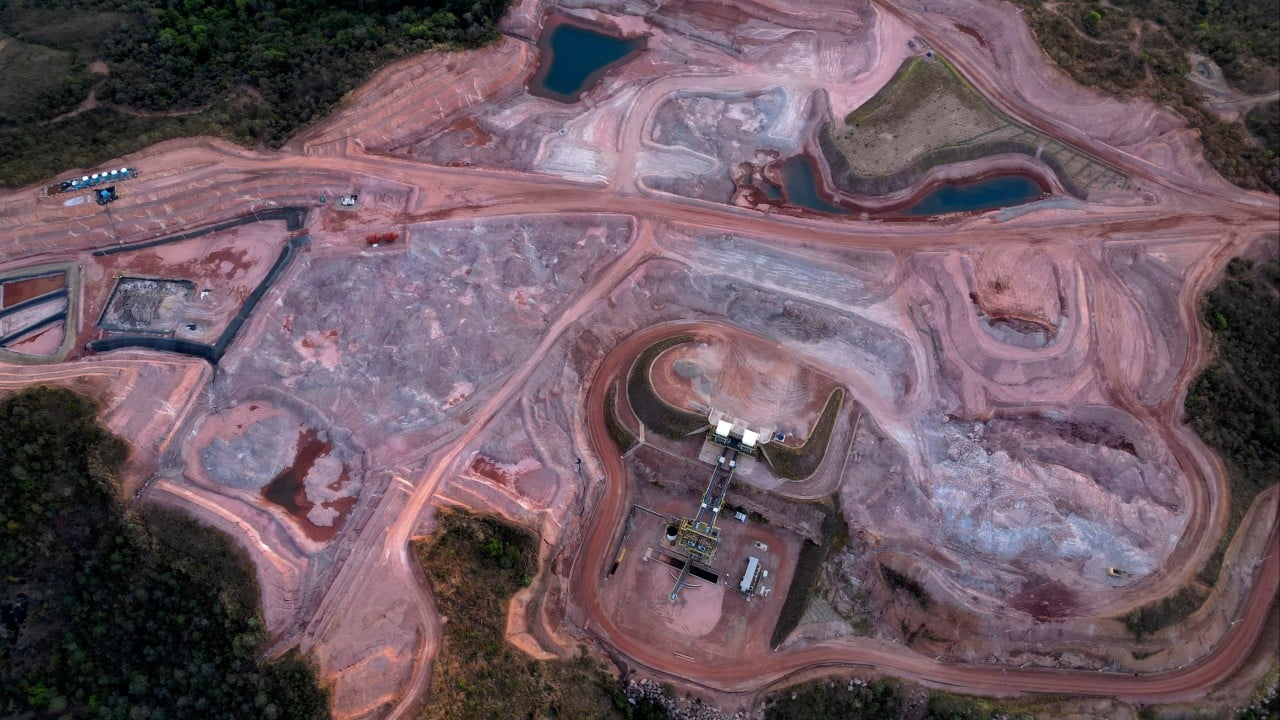
Mining represents a tiny fraction of the economic value in the rare earth sector. Separation, refining, and alloy creation account for the lion's share of the margins and the technical difficulty. Serra Verde stands as a rare commercial success story in Brazil's Goias state, taking well over a decade just to reach production. Other projects facing low global commodity prices and tight lending conditions are struggling to secure the massive capital needed for construction.
Building a mine is expensive. Building a chemical separation plant that meets environmental standards is an entirely different nightmare.
The Processing Vacuum
China didn't capture roughly 90% of global refining capacity by accident. They spent decades mastering dirty, highly technical acid-separation processes while Western nations outsourced the environmental headache.
When you dig up rare earths, they come mixed together in a complex chemical soup. Separating neodymium from dysprosium requires hundreds of stages of liquid-liquid extraction. Brazil has clean energy and cheap labor, but it lacks domestic downstream infrastructure. Without advanced chemical facilities and local magnet-manufacturing plants, the country remains trapped as a quarry for foreign powers.
Even with government funding initiatives trying to stimulate domestic processing, bridging that technical gap takes generations of engineering talent and billions in sustained investment.
What Actually Needs to Change
If Brazil wants to matter beyond raw extraction, the strategy has to shift from digging to building. Joint ventures with Western defense funds or Asian partners help on paper, but engineering realities dictate the timeline.
- Stop celebrating resource estimates and start tracking separation facilities.
- Tie foreign investment directly to domestic technology transfer agreements.
- Subsidize chemical engineering education to build a local workforce.
The global race for critical minerals is heating up, but shortcuts don't exist in heavy industry. Until processing plants outnumber extraction sites, China's grip on the magnet market remains completely secure.
Take a hard look at project balance sheets before buying into the hype of the next big mining boom.