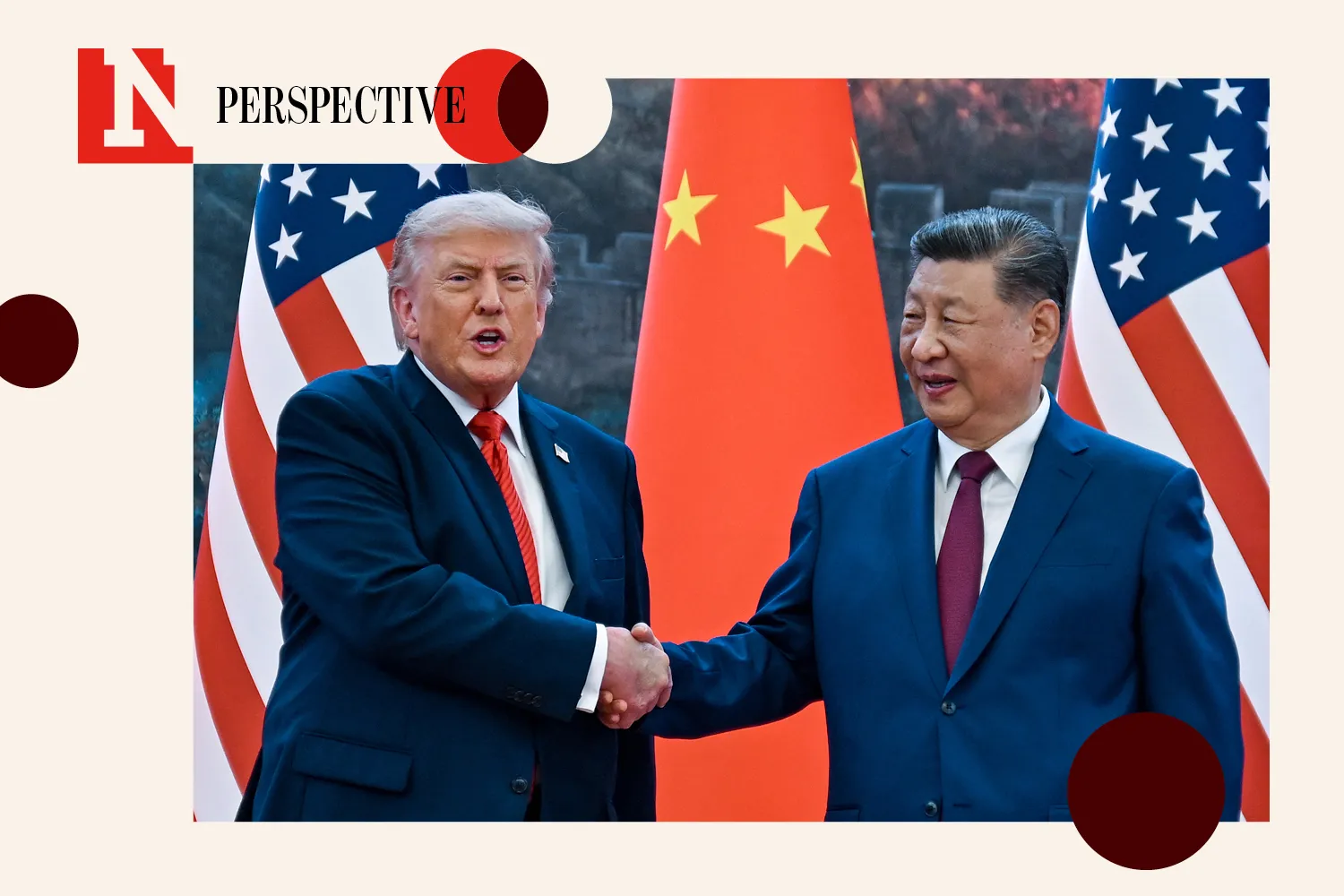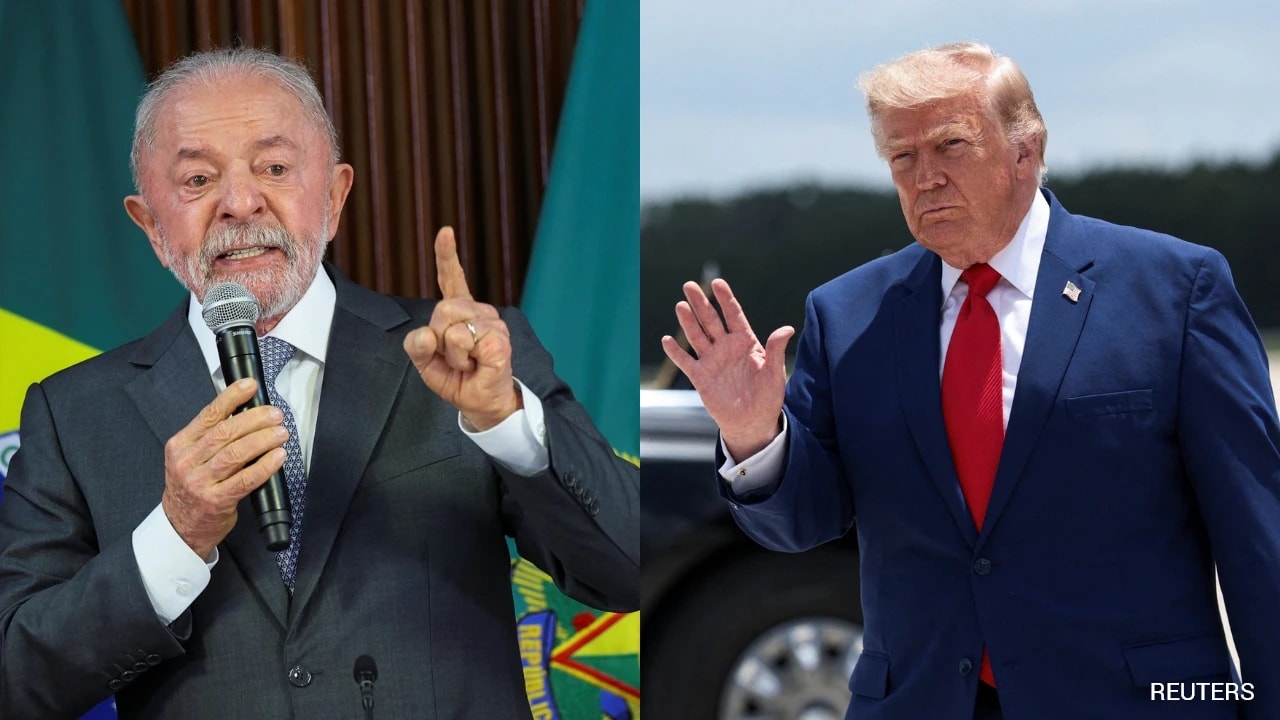
Diplomatic friction between Brasília and Washington just hit a boiling point. Brazil slammed the brakes on a planned U.S. State Department mission, outright denying visas to two senior American officials right before a crucial election cycle.
President Luiz Inácio Lula da Silva’s administration didn't mince words. Officials labeled the intended trip a blatant attempt to meddle in domestic politics and cast unfair doubts on the nation's electronic voting system.
The Core Conflict Behind The Visa Denials
The friction centers on upcoming October presidential elections where incumbent leftist leader Luiz Inácio Lula da Silva seeks reelection. Senator Flávio Bolsonaro, son of imprisoned former president Jair Bolsonaro, runs as the primary right-wing challenger.
Washington planned to dispatch Assistant Secretary Riley Barnes and Deputy Assistant Secretary Samuel Samson to Brasília. U.S. representatives maintained the trip was a standard diplomatic exchange focused on election integrity, freedom of expression, and religious freedom.
Brasília saw things differently. Brazilian authorities suspected the delegation intended to meet local electoral skeptics and draft reports designed to undermine trust in the country's electronic voting infrastructure.
Trade Pressures And Political Alignments
This visa denial doesn't happen in a vacuum. Trade tensions have escalated rapidly between the two economic heavyweights.
The White House recently implemented steep tariff hikes on thousands of Brazilian exports, citing unfair competition. Lula's administration dismissed those economic penalties as an external maneuver to influence voter sentiment and bolster the conservative Bolsonaro campaign.
Ties between the Trump administration and the Bolsonaro family run deep. Senator Flávio Bolsonaro and his brother Eduardo traveled to Washington earlier this year, cementing political alliances with American conservatives. Meanwhile, former president Jair Bolsonaro is serving a long prison sentence following convictions related to a 2023 coup attempt.
Protecting Institutional Integrity
Brazilian officials stress that their electronic voting machines have operated securely for a quarter-century. Independent observation missions during past elections consistently validated the system's reliability.
By blocking the U.S. delegation, Lula’s government sent a clear message. Brasília refuses to let foreign actors question national institutional processes or provide talking points to domestic opposition candidates.
Watch how both governments respond as October approaches. Trade retaliations and diplomatic standoffs will likely intensify as the electoral race heats up across South America's largest democracy.