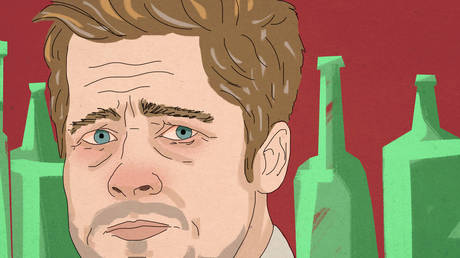
Seven years. That is how long Brad Pitt walked the clean line. Then, during a profile interview, he casually offered a glass of wine and dropped a confession that sent ripples through recovery circles: he got back off the wagon.
If you have spent any time around people in recovery, that statement triggers an immediate, collective wince. Pitt told reporters he is handling it differently now, claiming he drinks in a more restrained manner. He figures he can have a few glasses and keep it professional. Anyone who has lived through addiction has heard that exact script before. Usually, it ends in disaster. You might also find this connected article insightful: Why Rj Mitte And His Portrayal Of Walter White Jr Changed Television Forever.
The Dangerous Illusion of Control
The core myth of addiction is the belief that time cures the underlying wiring. After a long stretch of sobriety, your brain starts playing tricks on you. It tells you that you have beaten the disease, that you are stronger now, and that a casual drink is proof of your personal evolution.
Pitt is not the first person to fall for this trap, and he certainly won't be the last. When you stack up years of clean living, confidence naturally creeps in. You forget why you quit in the first place. The painful memories of wreckage, hangovers, and personal chaos fade into gray background noise. What remains is the romanticized idea of a relaxing drink at the end of a long day. As extensively documented in recent articles by Reuters, the results are notable.
- The Seven-Year Itch: Many people report dangerous complacency creeping in around the five-to-seven-year mark of sobriety.
- The Moderation Trap: Believing you can control a substance that once controlled you is the ultimate mental gymnastics routine.
- The Public Burden: Doing this under a microscope makes the stakes infinitely higher.
Why Professionalism Doesn't Mix With Alcohol
Calling alcohol consumption "professional" is a clever bit of re-framing, but it fundamentally misunderstands how chemical dependency operates. True addiction does not care about your resume, your Oscar wins, or your ability to star in a blockbuster action film.
When you cross the line from heavy user to actual alcoholic, your neural pathways are permanently altered. You cannot simply flip a switch and turn back into a normal, casual drinker. For someone with a genuine history of abuse, trying to moderate is like tap-dancing on a landmine. It might work for a week, a month, or even a few sparse months, but the physical gravity of the compulsion almost always pulls you back down.
The Slippery Slope of Overconfidence
Pitt admitted to getting "overconfident a couple times." That phrase tells the whole story. Sobriety isn't a trophy you win and put on a shelf; it is daily maintenance. The moment you decide you have mastered your demons, they usually remind you who is actually in charge.
We watch public figures stumble because their journeys play out in headlines. But behind closed doors, thousands of everyday people make the exact same calculation every single day. They hit a milestone, drop their guard, and wonder why the old habits snap right back into place with terrifying speed.
If you are navigating your own relationship with alcohol, take a hard look at what happened here. Sobriety isn't about proving you can handle a glass of wine. It is about protecting your peace of mind from a substance that demands everything you have. Don't mistake survival for mastery.