Celebrity philanthropy usually looks like a PR stunt. A quick photo op, a massive check handed to a nameless charity, and everyone moves on. But every once in a while, a star does something local, specific, and genuinely transformative.
Take what happened in Springfield, Ohio.
Back in 2016, John Legend dropped half a million dollars of his own money to resurrect a dead school auditorium. Not a glitzy concert hall in Los Angeles or a museum wing in New York. He fixed up the abandoned theatre inside his old alma mater, Springfield South High School. Now, nearly a decade later, that 680-seat venue is the beating heart of local youth arts and the permanent home for the Springfield Symphony Jazz Orchestra.
Here is the story behind why that investment mattered, how a forgotten building got a second act, and what happens when an artist remembers where they came from.
The Death and Rebirth of Springfield South High
High school mergers are brutal on local history. In 2008, Springfield decided to combine its high schools. Springfield South High closed its doors, and the building was slated for a massive overhaul to become an educational center known as The Dome.
There was just one glaring problem.
The budget fell short. The school district had enough cash to salvage classrooms and administrative offices, but the grand old auditorium—the room where student actors practiced, where talent shows took place, and where a young John Legend first figured out he had a voice—was left out in the cold. It sat dark, dusty, and useless.
Renovating an abandoned theatre isn't cheap. The total bill came out to roughly $2.5 million. Legend stepped up with a $500,000 contribution earmarked specifically for the auditorium, lobby, and the Clifton Avenue entrance. The school district matched funds, local foundations chipped in, and everyday citizens emptied their pockets to close the gap.
By the autumn of 2016, the freshly minted John Legend Theater opened its doors.
Why This Project Actually Works
Most celebrity-backed community projects suffer from a fatal flaw: nobody uses them after the cameras leave. They become expensive white elephants that drain maintenance budgets.
The John Legend Theater avoided that trap because it was built directly into the DNA of the community's Promise Neighborhood initiative. It wasn't built as a monument to an EGOT winner. It was built as a functional utility for kids who didn't have access to professional-grade performance spaces.
Consider the numbers from its first full academic year:
- More than 120 separate events packed the calendar.
- Local students used the stage for drama productions, band concerts, and school assemblies.
- Guest speakers and outside regional groups finally had a proper venue to address the student body.
- The Springfield Symphony Jazz Orchestra made the stage its permanent home, bridging the gap between professional musicians and neighborhood youth.
Kids from multiple school districts use the space today not just to perform, but to learn the technical side of live production—lighting, audio engineering, and stage management. That is the kind of practical, hands-on exposure that turns a casual interest into a lifelong career.
The Personal Cost of Remembering Where You Started
Legend has never hidden his roots. Growing up in Springfield meant participating in local talent shows, singing in church, and dreaming of stages far beyond state lines. When he cut the ribbon in October 2016, he didn't give a sterile corporate speech. He talked about how vital performance spaces were to his own development as a kid navigating middle and high school.
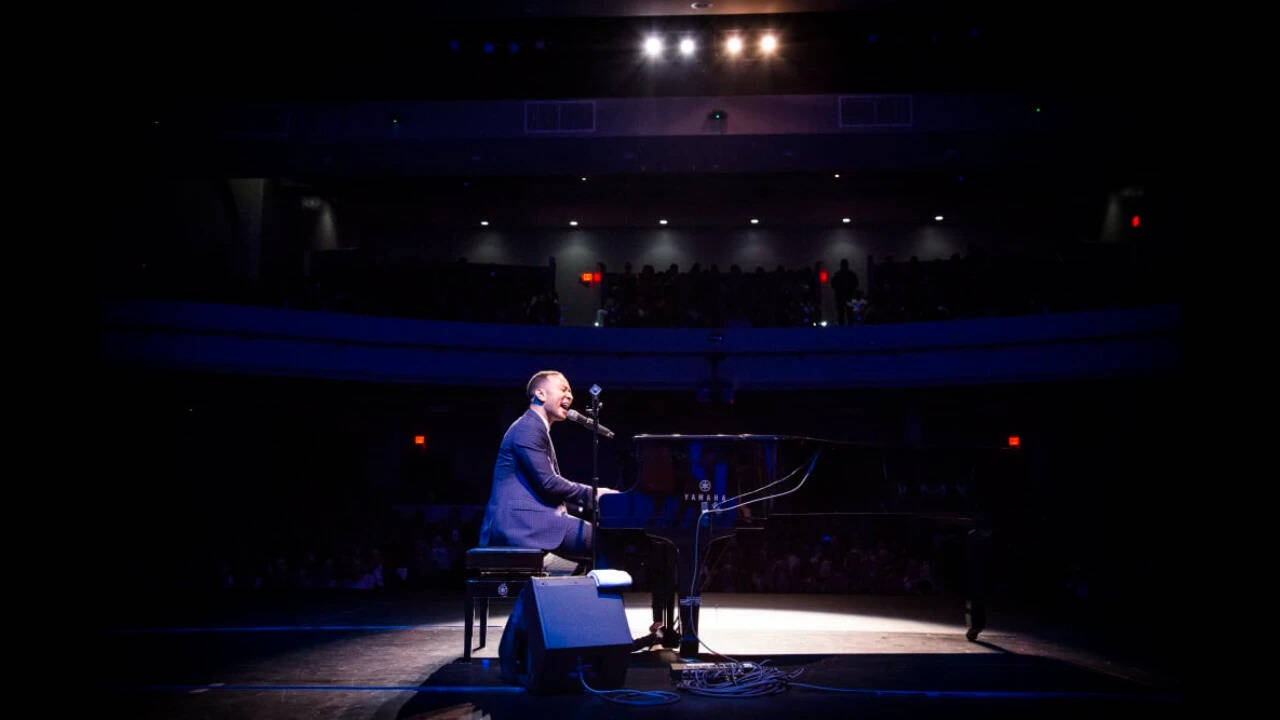
Then he sat down at the piano and played.
That authenticity matters. When artists invest in small-town America, they usually pick trendy arts hubs or major metropolitan centers where the media is already watching. Springfield is a working-class town that has faced its share of economic hardships and industrial shifts. Pouring resources into a Rust Belt community sends a clear message: your hometown is worth fighting for, even after you've made it big.
The Real Legacy of a 680-Seat Stage
Ten years down the line, the novelty has worn off, but the utility has only grown. The theatre proves that you don't need a billion-dollar Broadway house to spark creative ambition in a teenager. You just need working lights, good acoustics, and a room that tells them their work is worth taking seriously.
When you look past the headlines about celebrity donations, the real story in Springfield is about sustainability. A half-million-dollar check didn't just buy a plaque on a wall. It bought a stage where a kid from Ohio can step into the spotlight and realize the world is bigger than their zip code.


